
Introduction
Learning how to start eating healthy does not require an extreme diet, complicated meal plan, or complete elimination of your favourite foods. Healthy eating is about giving your body a variety of nutritious foods while developing habits that you can maintain over time.
Whether your goal is to improve overall health, manage your weight, increase energy, support fitness, or improve your everyday eating habits, small changes can make a meaningful difference.
For beginners, the biggest challenge is often knowing where to start. There is a huge amount of nutrition information available, and conflicting advice can make healthy eating seem complicated.
The best approach is to focus on a few basic principles: eat a variety of nutrient-rich foods, include balanced meals, stay hydrated, pay attention to portions, and build habits gradually.
Why Healthy Eating Matters
Food provides the nutrients your body needs for energy, growth, repair, and normal body functions.
A balanced eating pattern can help support:
- Steady energy levels
- Healthy digestion
- Normal immune function
- Healthy weight management
- Muscle maintenance
- Brain function
- Cardiovascular health
- Overall well-being
Healthy eating is not about finding one “perfect” food. It is about creating a balanced pattern that includes different food groups and provides a variety of essential nutrients.
1. Start With Small Changes
One of the most common beginner mistakes is trying to change everything at once.
Instead, choose one or two habits to work on first.
For example:
- Drink more water
- Add vegetables to one additional meal
- Eat more fruit
- Include protein at breakfast
- Replace sugary drinks with water
- Choose whole grains more often
Once a habit becomes easier, introduce another small improvement. This approach can make healthy eating feel manageable instead of overwhelming.
2. Build a Balanced Plate
A simple way to improve your meals is to think about balance.
A nutritious plate can include:
- Plenty of vegetables
- A protein source
- A whole-grain or other nutrient-rich carbohydrate
- A moderate amount of healthy fat
For example, you could combine grilled chicken with brown rice and vegetables, lentils with whole-grain roti and salad, or tofu with quinoa and mixed vegetables.
You do not need to calculate every nutrient in every meal. Focus on variety and overall balance throughout the day.
3. Eat More Whole and Minimally Processed Foods
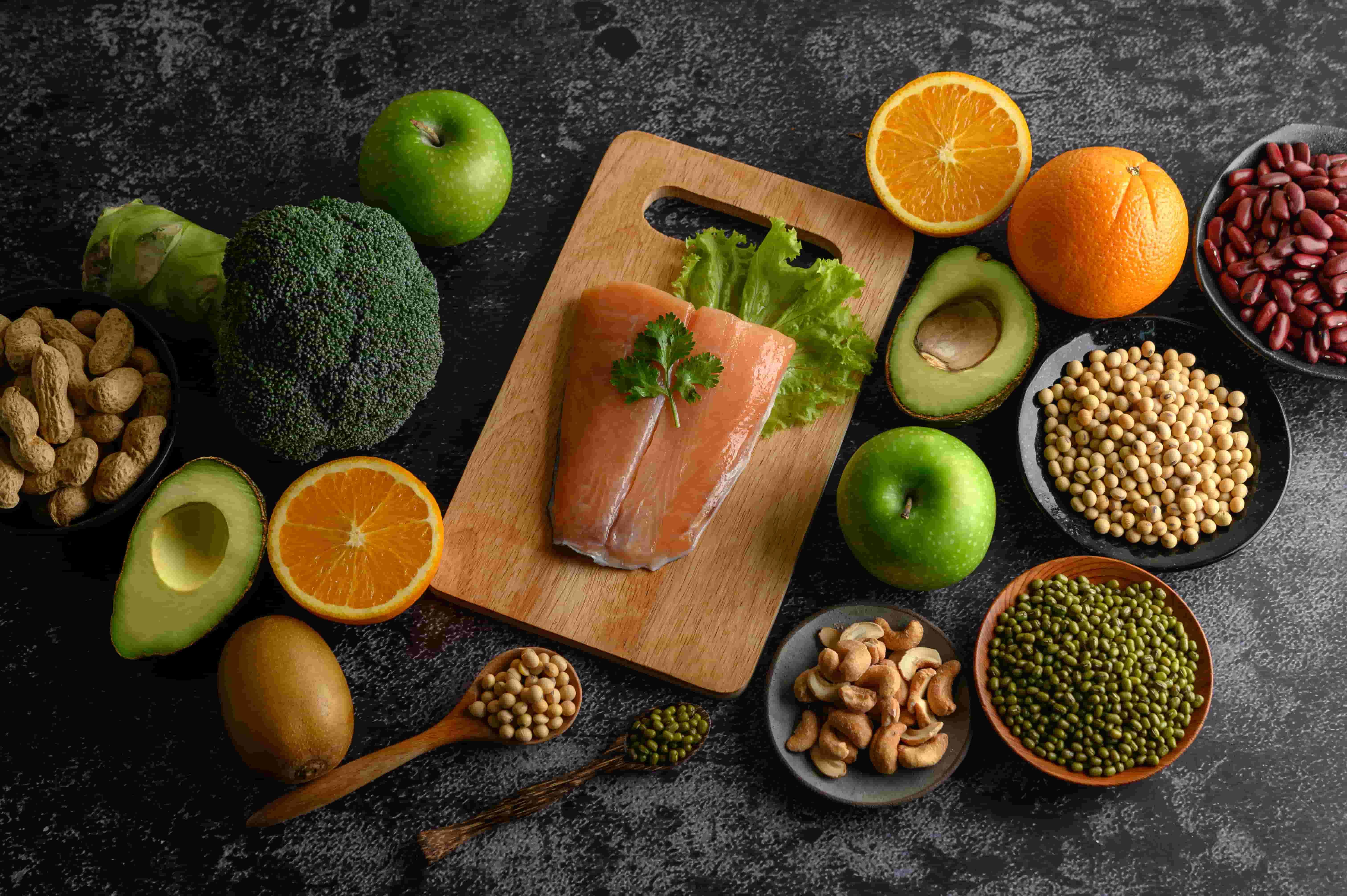
Whole and minimally processed foods can provide a wide range of essential nutrients.
Include foods such as:
- Fruits
- Vegetables
- Whole grains
- Beans
- Lentils
- Eggs
- Fish
- Lean meats
- Tofu
- Nuts
- Seeds
- Unsweetened dairy or suitable alternatives
Highly processed foods can still fit into a balanced diet, but consuming them less frequently can make it easier to maintain overall nutritional quality.
4. Include Protein in Your Meals
Protein is essential for maintaining and repairing tissues, supporting muscle, and contributing to feelings of fullness.
Good sources include:
- Eggs
- Chicken
- Fish
- Paneer
- Tofu
- Lentils
- Chickpeas
- Beans
- Greek yogurt
- Cottage cheese
Try including a protein source in your main meals. Your individual protein requirements depend on factors such as age, body size, activity level, and health goals.
5. Choose Nutrient-Rich Carbohydrates
Carbohydrates are an important source of energy and do not need to be eliminated from a healthy diet.
Choose nutrient-rich options such as:
- Oats
- Brown rice
- Quinoa
- Potatoes
- Sweet potatoes
- Whole-grain bread
- Whole-wheat pasta
- Fruits
- Beans
- Lentils
Whole and minimally processed carbohydrate sources can also provide fibre and other nutrients.
6. Add Healthy Fats
Dietary fats are an important part of balanced nutrition. They support several body functions and help with the absorption of certain vitamins.
Healthy sources include:
- Avocados
- Almonds
- Walnuts
- Chia seeds
- Flaxseeds
- Pumpkin seeds
- Olive oil
- Fatty fish
Because fats are energy-dense, appropriate portions are important, particularly if weight management is one of your goals.
7. Eat More Fruits and Vegetables
Fruits and vegetables provide fibre, vitamins, minerals, antioxidants, and other beneficial plant compounds.
Try to include different colours and varieties throughout the week.
For example:
- Leafy greens
- Broccoli
- Carrots
- Tomatoes
- Bell peppers
- Bananas
- Apples
- Oranges
- Berries
- Seasonal fruits
Adding vegetables to lunch and dinner and choosing fruit as a snack can be an easy way to increase your intake.
8. Stay Hydrated
Water is essential for normal body functions, digestion, temperature regulation, and physical performance.
Simple hydration habits include:
- Carrying a reusable water bottle
- Drinking water regularly
- Choosing water instead of sugary drinks
- Drinking more fluids when exercising or in hot conditions
- Eating water-rich foods such as fruits and vegetables
Individual fluid requirements vary based on factors such as activity level, climate, body size, and health.
9. Pay Attention to Portion Sizes
Healthy food choices are important, but portions also matter.
You can develop better portion awareness by:
- Eating slowly
- Using appropriately sized plates
- Serving food before sitting down to eat
- Paying attention to hunger and fullness
- Avoiding eating directly from large packages
- Limiting distracted eating
Portion control does not mean eating extremely small meals. It means finding amounts that meet your nutritional and energy needs.
10. Plan Your Meals
Meal planning can make healthy eating easier, especially when you have a busy schedule.
Before the week begins, consider planning:
- Breakfasts
- Lunches
- Dinners
- Snacks
Create a grocery list based on your plan and prepare some ingredients in advance.
You can batch-cook foods such as:
- Rice or quinoa
- Lentils
- Grilled chicken or tofu
- Roasted vegetables
- Boiled eggs
- Chopped vegetables
Having nutritious ingredients ready can reduce last-minute reliance on less nutritious convenience foods.
Simple Healthy Day of Eating
Breakfast
Oats with banana, Greek yogurt, and a small portion of nuts.
Mid-Morning Snack
An apple or another piece of fresh fruit.
Lunch
Grilled chicken, tofu, or lentils with brown rice and mixed vegetables.
Evening Snack
Greek yogurt with berries or roasted chickpeas.
Dinner
Grilled fish, paneer, or tofu with vegetables and a moderate serving of whole grains.
Drinks
Water throughout the day, with other beverages chosen according to your nutritional needs.
This is only an example. Individual nutritional requirements vary.
Common Healthy Eating Mistakes Beginners Should Avoid
Starting a healthier lifestyle becomes easier when you avoid extreme approaches.
Common mistakes include:
- Following crash diets
- Eliminating entire food groups unnecessarily
- Eating too little
- Skipping meals regularly
- Relying heavily on processed “health” foods
- Drinking excessive sugary beverages
- Ignoring portion sizes
- Expecting immediate results
Healthy eating is a long-term lifestyle rather than a short-term challenge.
Make Healthy Eating Sustainable
You do not need to eat perfectly every day. A sustainable approach allows flexibility while keeping nutritious foods at the centre of your eating pattern.
Remember to:
- Focus on consistency
- Enjoy favourite foods in moderation
- Try new healthy recipes
- Keep nutritious snacks available
- Plan for busy days
- Celebrate progress
- Avoid feeling guilty about occasional indulgences
The goal is to create eating habits that can continue for years.
When You Don’t Have Time to Cook
Preparing meals at home can be beneficial, but busy schedules sometimes make daily cooking difficult.
Convenient prepared meals can help fill this gap. Mista Eats offers freshly prepared meal options that can make balanced eating more convenient when you do not have time for daily grocery shopping, preparation, and cooking.
Using convenient meal options occasionally can complement a healthy eating routine while helping you maintain consistency.
Conclusion
Learning how to start eating healthy does not require a complete lifestyle transformation overnight. Begin with small, realistic changes and gradually build better habits.
Focus on whole and minimally processed foods, balanced meals, adequate protein, nutrient-rich carbohydrates, healthy fats, fruits, vegetables, hydration, and sensible portions.
Meal planning can make healthy choices easier, while convenient options such as Mista Eats can help when your schedule makes cooking difficult.
Most importantly, focus on progress rather than perfection. Healthy eating is not a temporary diet. It is a long-term approach to nourishing your body and supporting better health, energy, and overall wellness.
FAQ’s
1. What is the easiest way to start eating healthy?
Start with small changes such as adding more vegetables, drinking more water, including protein in meals, and choosing whole or minimally processed foods more often.
2. What should a beginner eat for a healthy diet?
A balanced diet can include vegetables, fruits, whole grains, protein-rich foods, healthy fats, legumes, and suitable dairy or alternatives in appropriate portions.
3. Do I need to stop eating my favourite foods?
No. Healthy eating is about balance rather than complete restriction. Favourite foods can be enjoyed in moderation as part of an overall nutritious eating pattern.
4. Is meal planning necessary for healthy eating?
Meal planning is not essential, but it can make healthy eating easier by reducing last-minute food choices, improving preparation, and helping you maintain balanced meals.
5. How long does it take to develop healthy eating habits?
There is no fixed timeline. The time required varies between individuals. Repeating small, manageable behaviours consistently can gradually make healthier choices part of your normal routine.