

Introduction
Rest days are just as important as workout days. While exercise challenges your muscles, recovery allows your body to repair tissues, replenish energy stores, and adapt to training.
However, many gym-goers make one common mistake: they focus on nutrition during workouts but neglect what they eat on rest days.
Rest day nutrition plays an important role in muscle recovery, energy levels, and long-term fitness performance.
The good news? You don’t need complicated recipes or expensive supplements. Balanced meals and simple preparation can help you recover effectively.
Why Nutrition Matters on Rest Days
Your muscles continue recovering after your workout ends. During this period, your body needs nutrients to support repair and normal physiological functions.
Proper nutrition helps:
- Support muscle repair and growth
- Replenish energy stores
- Maintain hydration
- Support immune function
- Prepare your body for upcoming workouts
Rest days aren’t about eating as little as possible. They’re about providing your body with appropriate nourishment.
What Should You Eat on Rest Days?
1. Protein for Muscle Recovery
Protein provides amino acids needed for muscle repair and adaptation.
Include protein-rich foods such as:
- Eggs
- Chicken
- Fish
- Greek yogurt
- Paneer
- Tofu
- Lentils and beans
Fitness Tip:
Spread protein-rich foods across your meals rather than relying on a single large serving.
2. Carbohydrates for Energy Restoration
Carbohydrates help replenish muscle glycogen, an important energy source during exercise.
Good options include oats, brown rice, quinoa, whole-grain bread, potatoes, and fruits.
Your carbohydrate requirements depend on your training intensity, activity level, and upcoming workouts.
3. Healthy Fats for Overall Health
Healthy fats provide essential fatty acids and support normal body functions.
Include foods such as walnuts, almonds, chia seeds, flaxseeds, avocado, and olive oil.
4. Fruits and Vegetables for Micronutrients
Colorful fruits and vegetables provide vitamins, minerals, fiber, and beneficial plant compounds.
Try including berries, oranges, spinach, broccoli, carrots, and bell peppers throughout the week.
Healthy Meal Prep Ideas for Gym-Goers
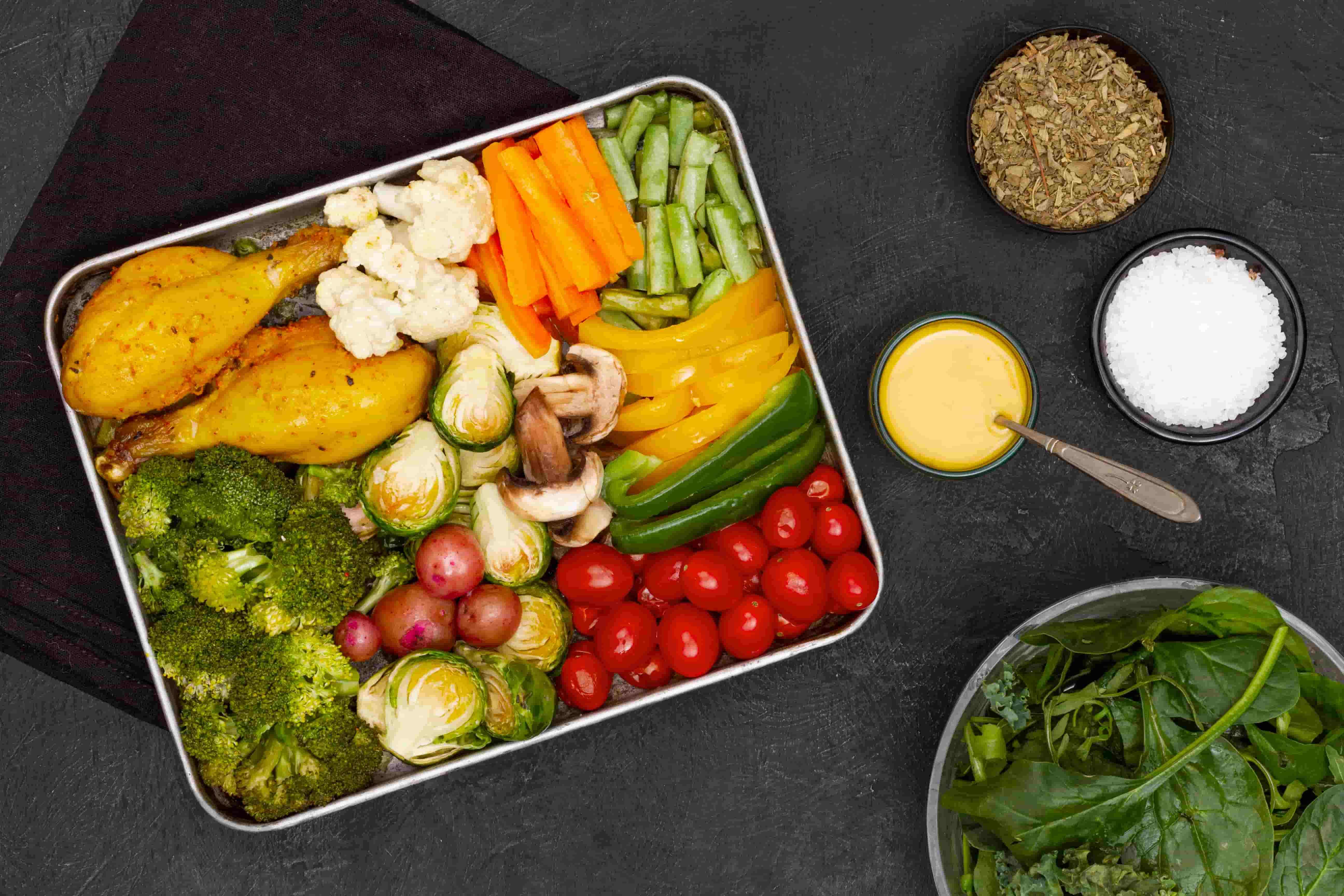
Meal preparation helps you maintain balanced nutrition without cooking everything from scratch each day.
Here are five practical meal ideas.
1. High-Protein Breakfast Bowl
Ingredients: Greek yogurt, oats, berries, chia seeds, and nuts.
Benefits: Provides protein, fiber, carbohydrates, and healthy fats.
2. Chicken and Rice Recovery Bowl
Ingredients: Grilled chicken, brown rice, broccoli, carrots, and olive oil.
Benefits: Combines protein and carbohydrates to support recovery and energy replenishment.
3. Tofu and Quinoa Bowl
Ingredients: Tofu, quinoa, spinach, bell peppers, and sesame seeds.
Benefits: Offers plant-based protein, fiber, and essential micronutrients.
4. Salmon and Sweet Potato
Ingredients: Baked salmon, roasted sweet potatoes, and green vegetables.
Benefits: Provides protein, carbohydrates, and omega-3 fatty acids.
5. Lentil and Vegetable Wrap
Ingredients: Whole-grain wrap, cooked lentils, vegetables, and yogurt-based dressing.
Benefits: An easy, portable combination of plant protein, fiber, and carbohydrates.
How to Meal Prep for the Entire Week
You don’t need to prepare every meal in advance.
Start with these simple habits:
1. Choose Protein Sources
Prepare chicken, tofu, beans, or other preferred proteins.
2. Cook Carbohydrates
Make rice, quinoa, or potatoes in advance.
3. Prepare Vegetables
Wash and chop vegetables for easy meals.
4. Store Safely
Refrigerate perishables promptly and freeze portions you won’t eat within a few days.
5. Keep Meals Flexible
Change seasonings and ingredients to avoid repetitive meals.
A little preparation can make consistent fitness nutrition significantly easier.
Common Rest Day Nutrition Mistakes
Avoid these habits:
- Skipping meals because you’re not exercising
- Neglecting protein intake
- Eliminating carbohydrates unnecessarily
- Forgetting hydration
- Depending entirely on supplements
- Eating too few fruits and vegetables
Remember that your body still needs energy and nutrients when you’re resting.
Make Fitness Nutrition Convenient
Maintaining a consistent eating routine can be challenging when you’re balancing work, workouts, and personal responsibilities.
Convenient, balanced meal options from Mista Eats can help simplify daily nutrition when preparing meals isn’t practical. Having nutritious meals readily available makes it easier to prioritize recovery without spending hours cooking.
Conclusion
Understanding what to eat on rest days is essential for building a sustainable fitness routine.
Prioritize protein, include carbohydrates according to your activity needs, choose healthy fats, and eat a variety of fruits and vegetables.
Combine these habits with practical meal preparation, sufficient sleep, and hydration to support muscle recovery and consistent training performance.
Fitness progress doesn’t happen only in the gym. Recovery is part of the process.
FAQ’s
1. Should I eat protein on rest days?
Yes. Your muscles continue repairing and adapting between workouts, making adequate protein intake important on rest days.
2. Should I eat carbohydrates when I’m not exercising?
Yes. Carbohydrates support energy needs and help replenish glycogen stores. The amount you need depends on your activity level and training schedule.
3. What is the best rest day meal for muscle recovery?
A balanced meal containing protein, carbohydrates, vegetables, and healthy fats is a practical choice. Examples include chicken with rice and vegetables or tofu with quinoa.
4. How many days can I prepare gym meals in advance?
Many properly refrigerated cooked meals can be stored for approximately three to four days. Freeze additional portions and follow appropriate food safety practices.
5. Are supplements necessary for muscle recovery?
Not necessarily. Many people can meet their nutritional needs through balanced meals. Supplements may be useful in certain circumstances, depending on individual requirements and professional guidance.