
Introduction
Eating healthy can feel difficult when you’re balancing work, commuting, meetings, family responsibilities, and everyday tasks. However, healthy nutrition doesn’t have to involve complicated recipes or hours of meal preparation.
Learning how to build a balanced plate gives you a simple framework for creating nutritious meals wherever you are.
A balanced meal can provide protein, carbohydrates, healthy fats, fiber, vitamins, and minerals while keeping your eating routine practical and enjoyable.
What Does a Balanced Plate Look Like?
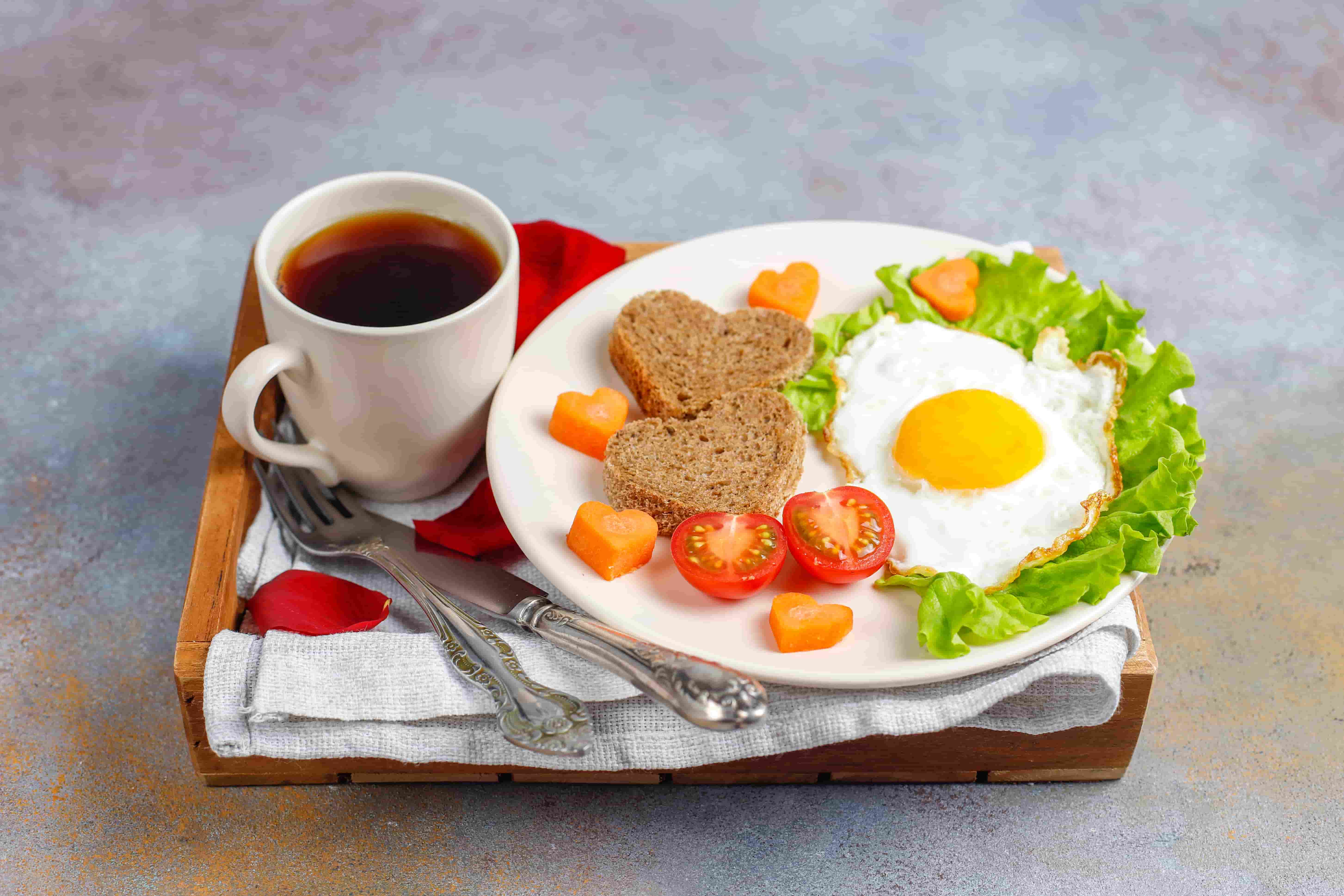
A simple balanced-plate approach can include:
- Half the plate: Vegetables and other plant foods
- One-quarter: Protein-rich foods
- One-quarter: Whole grains or other carbohydrate sources
- A small portion: Healthy fats
- Fruit: As part of the meal or as a snack
The exact proportions don’t need to be perfect at every meal. Your nutritional needs can vary based on your age, activity level, preferences, and overall health.
1. Include a Protein Source
Protein supports muscle maintenance, tissue repair, immune function, and many other processes in the body.
Practical options include:
- Eggs
- Fish
- Chicken
- Greek yogurt
- Paneer
- Tofu
- Beans
- Lentils
Adding protein to meals can also make them more satisfying.
2. Choose Nutritious Carbohydrates
Carbohydrates are an important source of energy. Instead of eliminating them, choose a variety of nutrient-rich options.
Consider:
- Oats
- Brown rice
- Quinoa
- Potatoes
- Whole-grain bread
- Whole-wheat pasta
- Fruits
- Beans and lentils
Your carbohydrate needs may be higher on physically active days and can vary depending on your lifestyle.
3. Fill Your Plate With Vegetables
Vegetables provide fiber, vitamins, minerals, and a wide range of beneficial plant compounds.
Try adding different colors throughout the week:
- Leafy greens
- Broccoli
- Carrots
- Bell peppers
- Tomatoes
- Cauliflower
- Green beans
- Mushrooms
Eating a variety of vegetables is more useful than focusing on one particular “superfood.”
4. Add Healthy Fats
Healthy fats are an important part of a balanced eating pattern.
Good choices include:
- Avocado
- Nuts
- Seeds
- Olive oil
- Nut butters
- Fatty fish
Because fats are energy-dense, moderate portions can help keep meals balanced without making them unnecessarily heavy.
Healthy Eating for Busy Professionals
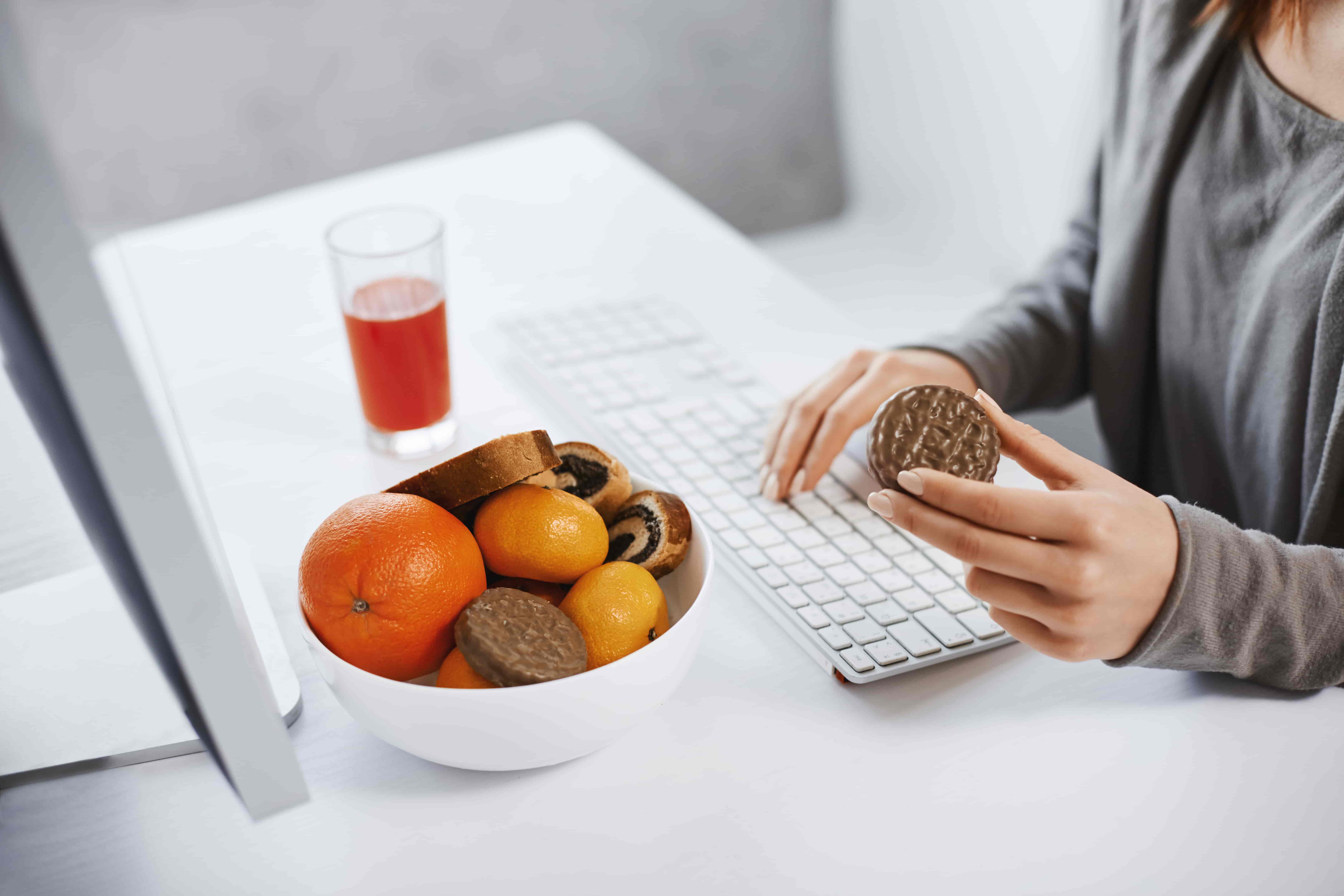
Busy schedules often make convenience a major factor in food choices.
Instead of trying to cook elaborate meals every day, use simple strategies.
Prepare Ingredients in Advance
Spend some time preparing foods that can be combined throughout the week.
For example:
- Cook grains in batches
- Wash and cut vegetables
- Prepare protein sources
- Keep fruit ready to eat
- Portion nuts and seeds
- Prepare simple sauces or dressings
This makes assembling a balanced meal much faster.
Keep Emergency Foods Available
Keep nutritious foods at work or at home for days when your schedule changes unexpectedly.
Useful options include:
- Nuts
- Fruit
- Greek yogurt
- Whole-grain crackers
- Roasted chickpeas
- Nut butter
- Oat-based snacks
Having food available can make healthy choices easier when you’re short on time.
Quick Balanced Meal Ideas
Breakfast
Greek yogurt with oats, berries, chia seeds, and nuts.
Lunch
Brown rice with grilled chicken or tofu, mixed vegetables, and a small amount of olive oil.
Snack
Fruit with Greek yogurt or a handful of nuts.
Dinner
Lentils with whole-grain roti, roasted vegetables, and yogurt.
These meals can be adapted to different cuisines, dietary preferences, and ingredients available around the world.
Don’t Aim for Perfect Meals
Healthy eating doesn’t mean every plate must contain exactly the same foods or proportions.
Some meals may be eaten at restaurants. Others may be quick sandwiches, leftovers, or simple bowls assembled from whatever is available.
Focus on your overall eating pattern rather than judging individual meals.
Variety, moderation, and consistency are more practical than perfection.
Make Healthy Eating More Convenient
For busy professionals, convenience can determine whether healthy eating is sustainable.
When you don’t have time to shop, cook, or prepare meals, Mista Eats can provide convenient balanced meal options that fit into demanding schedules.
Using convenient meals when necessary doesn’t mean abandoning healthy eating. It can simply be another tool for maintaining a practical nutrition routine.
Everyday Habits That Support Better Nutrition
Along with balanced meals, focus on simple habits:
- Drink fluids regularly
- Eat a variety of foods
- Include vegetables and fruit daily
- Choose minimally processed foods more often
- Pay attention to hunger and fullness
- Eat slowly when possible
- Get adequate sleep
- Stay physically active
These habits can support overall health without requiring an overly restrictive routine.
Conclusion
Learning how to build a balanced plate can make everyday nutrition much simpler. Start with a protein source, add nutritious carbohydrates, fill a significant portion of your plate with vegetables, and include healthy fats.
For busy professionals, meal preparation and convenient nutritious options can make healthy eating easier to maintain.
You don’t need a perfect diet. You need a practical eating pattern that provides nourishment, fits your lifestyle, and can be maintained consistently.
FAQ’s
1. What should a balanced plate contain?
A balanced plate can include vegetables or other plant foods, a protein source, nutritious carbohydrates, and a moderate portion of healthy fats.
2. How can busy professionals eat healthy?
Prepare ingredients in advance, keep nutritious snacks available, choose simple meals, and use convenient balanced meal options when cooking isn’t practical.
3. Are carbohydrates part of a balanced diet?
Yes. Carbohydrates provide energy and can contribute important nutrients and fiber, particularly when choosing whole grains, legumes, fruits, and other minimally processed sources.
4. How much protein should I include in a meal?
Protein needs vary between individuals. Including a protein-rich food at each main meal is a practical way to support overall nutrition and muscle maintenance.
5. Does every meal need to be perfectly balanced?
No. Nutritional balance is best considered across your overall eating pattern. Some meals may be more balanced than others, and that’s normal.