
Introduction
Fat loss does not require starvation, extreme calorie restriction, or eliminating entire food groups. A sustainable approach focuses on eating nutrient-dense foods that provide essential nutrients while helping you manage your overall calorie intake.
Choosing the best foods for fat loss can make healthy eating easier because nutritious, filling foods can help you manage hunger while supporting energy, muscle maintenance, and overall health.
Whether your goal is losing body fat, improving your eating habits, supporting fitness, or maintaining a healthy weight, building meals around protein, fibre-rich foods, fruits, vegetables, whole grains, and healthy fats can create a strong foundation for sustainable weight management.
The goal is not to find one “fat-burning” food. Instead, focus on an overall eating pattern that you can maintain consistently.
Why Food Quality Matters During Fat Loss
Weight loss generally requires a sustained calorie deficit, but food quality can influence how easy that deficit is to maintain.
Nutrient-dense foods can help:
- Increase meal satisfaction
- Provide essential vitamins and minerals
- Support muscle maintenance
- Improve dietary fibre intake
- Provide steady energy
- Reduce reliance on highly processed foods
For example, a meal containing vegetables, lean protein, whole grains, and a moderate amount of healthy fat may be more filling and nutritionally complete than a highly processed snack with a similar calorie content.
Best Foods for Fat Loss
1. Lean Protein
Protein is particularly important during weight loss because it supports muscle maintenance and can help you feel satisfied after meals.
Good protein sources include:
- Eggs
- Chicken
- Fish
- Tofu
- Paneer
- Greek yogurt
- Lentils
- Beans
- Chickpeas
- Tempeh
Including protein in your main meals can help create a more balanced diet.
Your individual protein needs depend on factors such as age, body size, activity level, and fitness goals.
2. Leafy Greens and Non-Starchy Vegetables
Vegetables can add volume, fibre, vitamins, and minerals to meals without contributing excessive calories.
Good choices include:
- Spinach
- Broccoli
- Cabbage
- Cauliflower
- Lettuce
- Cucumber
- Tomatoes
- Bell peppers
- Zucchini
- Green beans
Try adding vegetables to lunch and dinner or using them as ingredients in soups, salads, stir-fries, and grain bowls.
3. High-Fibre Foods
Fibre supports digestive health and can help increase feelings of fullness.
Excellent sources include:
- Oats
- Lentils
- Beans
- Chickpeas
- Vegetables
- Fruits
- Whole grains
- Chia seeds
- Flaxseeds
Increasing fibre gradually while drinking adequate fluids can help support digestive health.
4. Whole Grains and Quality Carbohydrates
Carbohydrates can be part of a healthy fat loss diet. They provide energy for daily activities and exercise.
Choose nutrient-rich options such as:
- Oats
- Brown rice
- Quinoa
- Whole-wheat bread
- Whole-wheat pasta
- Potatoes
- Sweet potatoes
- Millets
- Beans
Instead of eliminating carbohydrates, focus on the quality and portion of your carbohydrate sources.
5. Fruits
Fruit does not need to be eliminated during fat loss. Whole fruits provide fibre, vitamins, minerals, and naturally occurring sugars.
Good options include:
- Apples
- Oranges
- Berries
- Guava
- Papaya
- Kiwi
- Pears
- Watermelon
- Bananas
Whole fruit is generally more filling than fruit juice because it retains its fibre.
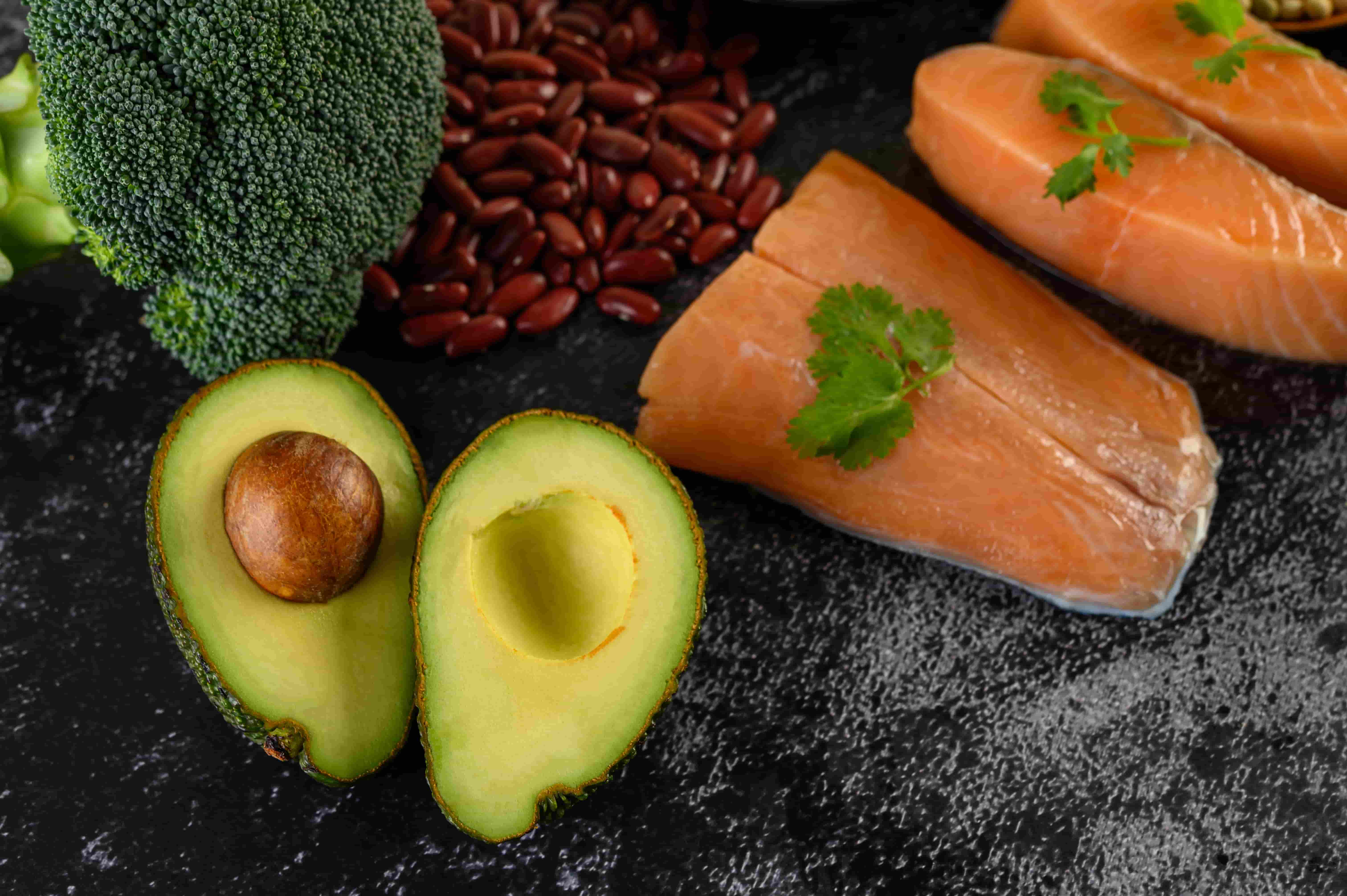
6. Healthy Fats
Healthy fats can form an important part of a balanced diet. They can also add flavour and satisfaction to meals.
Include moderate portions of:
- Almonds
- Walnuts
- Chia seeds
- Flaxseeds
- Avocados
- Olive oil
- Fatty fish
- Natural nut butters
Because dietary fats are calorie-dense, portion awareness is particularly useful when managing calorie intake.
How to Build a Fat Loss-Friendly Plate
You do not need to calculate every nutrient in every meal.
A simple plate approach can help:
Half the Plate
Vegetables and other plant foods.
One-Quarter
Protein such as chicken, fish, eggs, tofu, beans, or lentils.
One-Quarter
Whole grains, potatoes, or another nutrient-rich carbohydrate.
Add a moderate portion of healthy fats.
This flexible structure can be adapted to different cuisines, cultures, and dietary preferences.
Sample Healthy Fat Loss Meal Plan
A simple day of balanced meals could include:
Breakfast
Vegetable oats with eggs or tofu and a serving of fruit.
Mid-Morning Snack
An apple with a small portion of almonds.
Lunch
Grilled chicken, paneer, tofu, or lentils with brown rice and mixed vegetables.
Evening Snack
Greek yogurt with berries or roasted chickpeas.
Dinner
Grilled fish, tofu, or paneer with sautéed vegetables and a moderate portion of quinoa or whole-grain roti.
Hydration
Drink water regularly throughout the day and adjust fluid intake based on activity, climate, and individual needs.
This is an example rather than a universal weight loss meal plan. Calorie and nutrient requirements differ between individuals.
Foods to Limit During Fat Loss
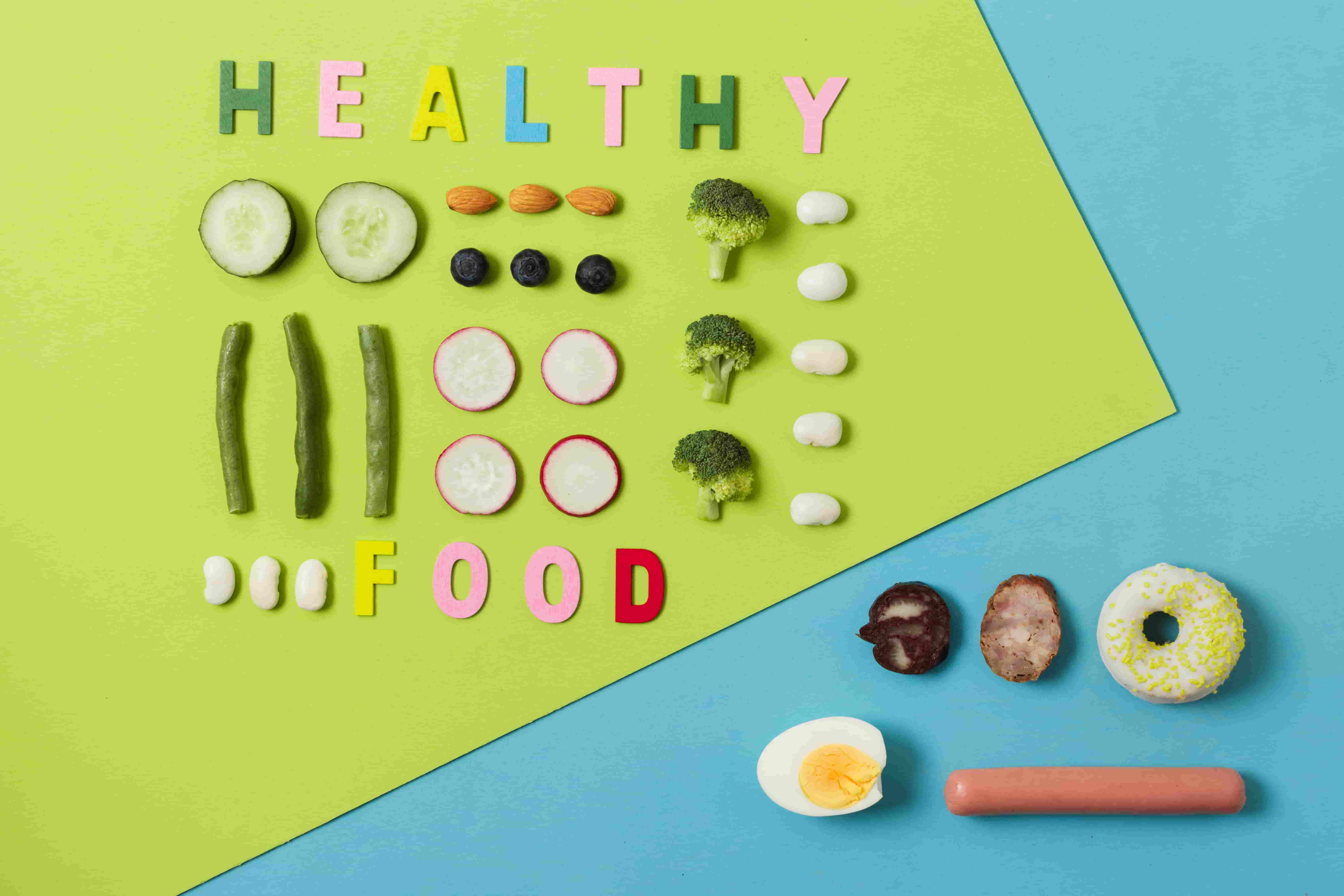
No food needs to be completely forbidden for everyone. However, frequently consuming foods and drinks that are high in added sugar, refined carbohydrates, or calories can make calorie management more difficult.
Consider limiting:
- Sugary beverages
- Frequent fast food meals
- Deep-fried foods
- Highly processed snacks
- Excess sweets
- Large portions of desserts
- Sugar-heavy breakfast products
Instead of eliminating these foods completely, focus on moderation and make nutrient-dense foods the foundation of your diet.
Common Fat Loss Mistakes
Skipping Meals
Skipping meals does not automatically improve fat loss and may make hunger harder to manage later.
Eating Too Little Protein
Insufficient protein intake can make it harder to meet nutritional needs and maintain muscle during weight loss.
Eliminating Carbohydrates
Carbohydrates provide energy and can be part of a balanced weight loss diet.
Overeating Healthy Foods
Nuts, seeds, avocado, and other nutritious foods are healthy but still contribute calories. Portion awareness remains important.
Drinking Too Many Calories
Sugary beverages and other calorie-containing drinks can add significant calories without providing the same fullness as whole foods.
Expecting Rapid Results
Fat loss takes time. Sustainable progress is more important than achieving dramatic short-term changes.
Lifestyle Habits That Support Fat Loss
Nutrition is only one part of healthy weight management.
Support your eating habits with:
- Regular physical activity
- Strength training
- Cardiovascular exercise
- Adequate sleep
- Stress management
- Consistent meal planning
- Sufficient hydration
Strength training can be particularly useful during weight loss because it helps support muscle maintenance when combined with appropriate nutrition.
Meal Planning Can Make Fat Loss Easier
Planning meals ahead can reduce the number of food decisions you need to make during busy days.
You can prepare ingredients such as:
- Cooked grains
- Grilled chicken or tofu
- Boiled eggs
- Roasted vegetables
- Lentils
- Fresh fruit
- Healthy snacks
Having nutritious foods available can make it easier to stay consistent.
For days when cooking is difficult, convenient prepared meals can also help. Mista Eats offers freshly prepared meals that can fit into a balanced lifestyle when you want convenient food without having to handle every step of meal preparation.
Focus on Sustainable Weight Loss
The best diet is not necessarily the strictest one. It is the eating pattern you can maintain.
Instead of making dramatic changes, focus on small improvements such as:
- Adding vegetables to meals
- Eating adequate protein
- Choosing whole grains
- Replacing sugary drinks with water
- Eating whole fruits
- Practising portion awareness
- Planning meals
- Staying physically active
Over time, these habits can become part of your normal lifestyle.
Conclusion
The best foods for fat loss are not special foods that magically burn body fat. They are nutritious foods that help you build balanced, satisfying meals while supporting a sustainable calorie deficit.
Prioritize protein-rich foods, vegetables, fruits, fibre-rich ingredients, whole grains, and healthy fats. Pay attention to portions, stay hydrated, and avoid relying on extreme diets or quick fixes.
Combine nutritious eating with regular physical activity, adequate recovery, and realistic goals. When healthy habits become part of your everyday routine, weight management becomes more sustainable and less restrictive.
Fat loss is a long-term process. Focus on nourishing your body, building consistency, and choosing habits you can maintain well beyond your initial weight loss goal.
FAQ’s
1. What are the best foods for fat loss?
Protein-rich foods, vegetables, fruits, legumes, whole grains, and healthy fats can support a balanced diet that helps manage hunger and overall calorie intake.
2. Can I eat carbohydrates while trying to lose fat?
Yes. Nutrient-rich carbohydrates such as oats, brown rice, potatoes, quinoa, fruits, and whole grains can provide energy and fibre as part of a balanced diet.
3. Is protein important during fat loss?
Yes. Adequate protein supports muscle maintenance and can help improve fullness. Individual protein requirements vary based on factors such as body size, activity level, and fitness goals.
4. Should I avoid fats when trying to lose weight?
No. Healthy fats can be part of a balanced diet. Foods such as nuts, seeds, avocado, olive oil, and fatty fish can provide valuable nutrients, but appropriate portions are important.
5. Can meal planning help with fat loss?
Yes. Planning meals in advance can make portion control easier, reduce impulsive food choices, and help you maintain consistent healthy eating habits.