
Introduction
Successful weight loss isn’t about drastically cutting food or following restrictive diets. It’s about creating eating habits that provide enough nutrition while supporting a sustainable calorie deficit. Choosing healthy meals for weight loss can help control hunger, maintain muscle, support energy, and make healthy eating easier to continue over time.
Crash diets may produce rapid changes on the scale, but they can be difficult to maintain. A balanced approach focuses on nutritious foods, appropriate portions, regular physical activity, and habits that support long-term weight loss and weight management.
What Makes a Healthy Meal for Weight Loss?
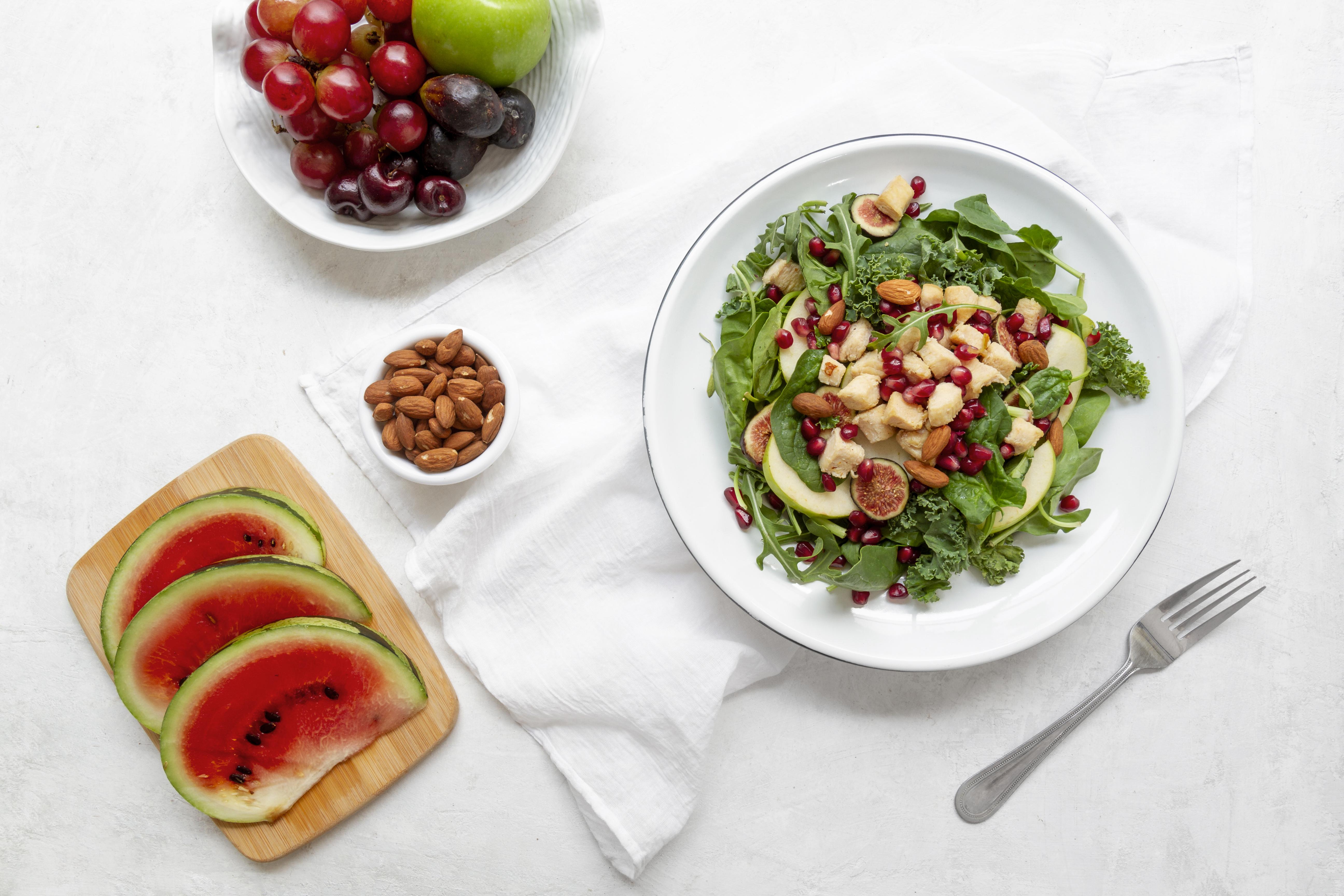
A weight-loss-friendly meal should provide a combination of protein, fiber, complex carbohydrates, and healthy fats.
Include:
- Lean protein: Eggs, chicken, fish, tofu, lentils, beans, and Greek yogurt
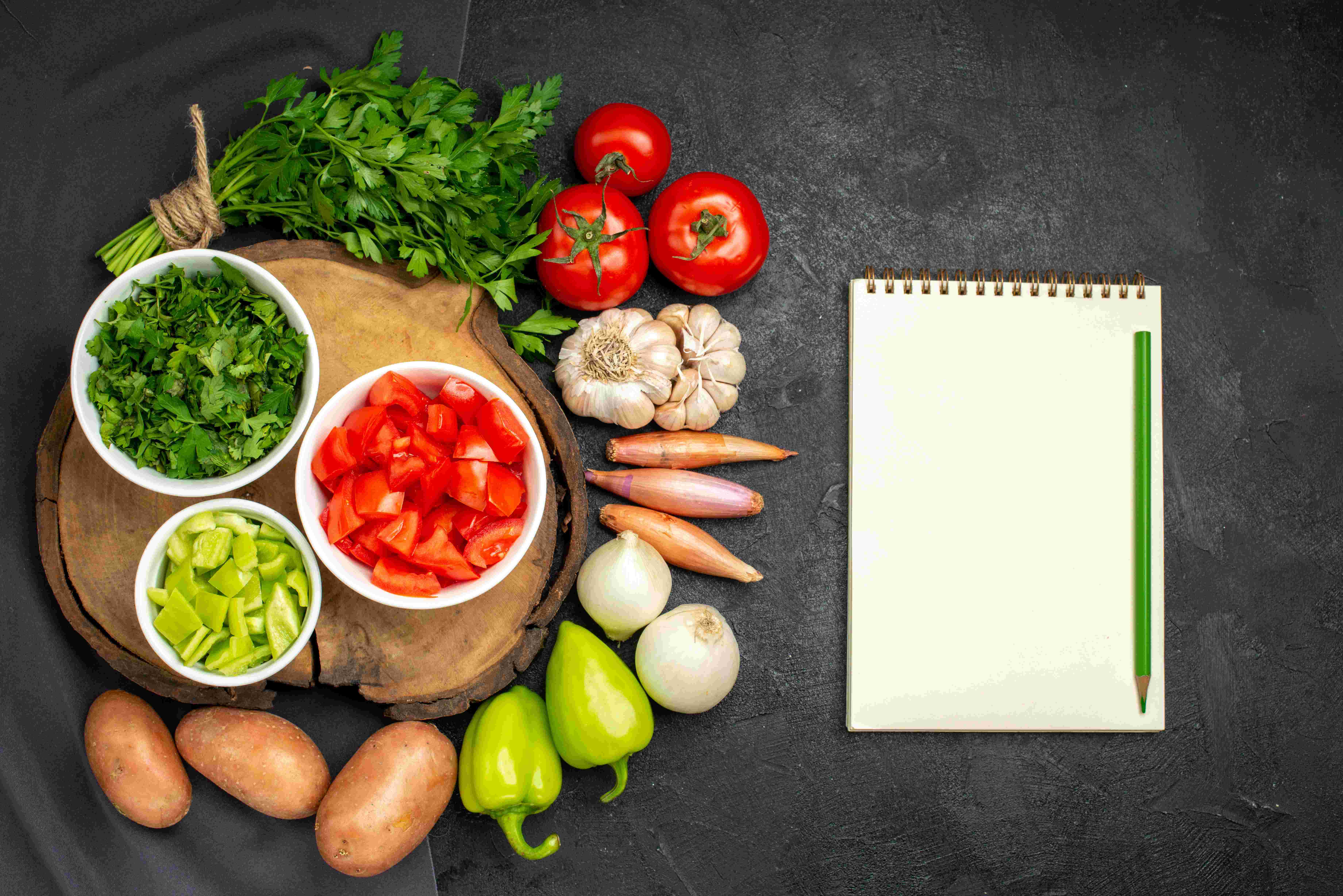
- Vegetables: Leafy greens, broccoli, carrots, peppers, cucumber, and other colorful vegetables
- Whole-food carbohydrates: Oats, quinoa, brown rice, sweet potatoes, and whole grains
- Healthy fats: Nuts, seeds, avocado, and olive oil
This combination can improve satiety while providing essential vitamins, minerals, and other nutrients.
Why Balanced Meals Support Sustainable Weight Loss
Balanced nutrition can make weight loss easier to maintain because it focuses on both calorie awareness and nutritional quality.
Healthy meals can help:
- Control hunger and cravings
- Support a sustainable calorie deficit
- Preserve lean muscle
- Maintain energy levels
- Improve digestion
- Reduce dependence on processed foods
- Develop healthier eating habits
The goal isn’t to eat as little as possible. It’s to choose foods that provide greater nutritional value and help you stay satisfied.
Protein Is Important for Weight Loss
Protein is one of the most valuable nutrients to include in a weight-loss meal plan. It helps support muscle maintenance and can increase feelings of fullness.
Good protein-rich foods include:
- Eggs
- Chicken
- Fish
- Greek yogurt
- Cottage cheese
- Tofu
- Lentils
- Chickpeas
- Beans
Including protein in breakfast, lunch, dinner, and appropriate snacks can make it easier to manage hunger throughout the day.
Choose Fiber-Rich Foods
Fiber adds volume to meals and supports digestive health. Many high-fiber foods can also help you feel satisfied after eating.
Choose:
- Vegetables
- Berries and other fruits
- Oats
- Whole grains
- Lentils
- Beans
- Chia seeds
- Flaxseeds
Instead of eliminating carbohydrates, prioritize nutrient-rich, high-fiber sources and manage portions according to your individual needs.
Simple Healthy Meal Ideas for Weight Loss
Breakfast
Greek yogurt bowl: Greek yogurt with berries, oats, and chia seeds.
Lunch
Chicken grain bowl: Grilled chicken, brown rice or quinoa, mixed vegetables, and a light dressing.
Dinner
Fish and vegetables: Grilled fish with steamed or roasted vegetables and a moderate serving of quinoa or sweet potato.
Vegetarian Meal
Lentil and vegetable plate: Dal or lentils with mixed vegetables, whole-grain roti, and a fresh salad.
Healthy Snack
Fruit and protein: Apple with a small portion of nut butter or Greek yogurt with berries.
These meal ideas can be adapted to different dietary preferences and calorie requirements.
Practice Portion Control
Even nutrient-dense foods contain calories, so portion awareness remains important for weight loss.
Try these simple strategies:
- Fill a large portion of your plate with vegetables.
- Include a quality protein source.
- Choose a moderate serving of whole-food carbohydrates.
- Measure calorie-dense foods such as nuts and oils.
- Eat slowly and pay attention to fullness.
Portion control doesn’t mean eating tiny meals. It means learning how much food works for your individual goals.
Meal Planning Can Improve Weight Loss Consistency
Planning your meals before the week begins can reduce last-minute food decisions.
Create a simple plan for:
- Breakfast
- Lunch
- Dinner
- Snacks
Prepare protein sources, vegetables, and whole grains in advance when possible. Keep nutritious snacks available so you’re less likely to rely on highly processed convenience foods.
Weight Loss Mistakes to Avoid
Some common habits can make sustainable weight loss more difficult:
- Following extreme diets
- Skipping meals regularly
- Eating too little protein
- Eliminating entire food groups unnecessarily
- Drinking excessive sugary beverages
- Ignoring portion sizes
- Relying heavily on processed “diet” foods
- Expecting rapid results
A sustainable weight-loss approach should support your health rather than leave you constantly hungry or exhausted.
Combine Nutrition With Healthy Lifestyle Habits
Nutrition works best when combined with other healthy habits.
Consider:
- Regular strength training
- Walking and daily movement
- Adequate sleep
- Consistent hydration
- Stress management
- Mindful eating
Strength training is particularly useful for maintaining muscle while losing body fat, while regular movement supports overall fitness and energy expenditure.
Make Healthy Eating More Convenient
Busy schedules can make consistent meal preparation challenging. Having nutritious meals readily available can reduce the temptation to rely on fast food or heavily processed options.
Mista Eats offers freshly prepared, balanced meals that can make healthy eating more convenient for people with demanding schedules. Having nutritious meal options available can simplify meal planning and help you stay more consistent with your weight-loss nutrition goals.
Focus on Sustainable Weight Loss
Healthy weight loss isn’t about achieving results as quickly as possible. It’s about developing habits you can maintain.
Rather than completely changing your diet overnight, start with manageable improvements:
- Add more vegetables to your meals.
- Include protein throughout the day.
- Replace sugary drinks with water more often.
- Choose whole foods more frequently.
- Practice portion awareness.
- Plan meals ahead.
- Stay physically active.
These small changes can become part of a sustainable lifestyle.
Conclusion
Choosing healthy meals for weight loss can make your journey more nutritious, satisfying, and sustainable. Instead of relying on crash diets, focus on balanced meals containing protein, fiber-rich foods, vegetables, whole-food carbohydrates, and healthy fats.
Combine nutritious eating with regular movement, sufficient sleep, hydration, and consistent habits. Weight loss takes time, but a sustainable approach can help you make progress without sacrificing your overall health.
The best diet is one that supports your goals while fitting realistically into your everyday life.
FAQ’s
1. What are healthy meals for weight loss?
Healthy meals for weight loss generally combine protein, vegetables, fiber-rich foods, whole-food carbohydrates, and healthy fats in appropriate portions.
2. Why are balanced meals important for sustainable weight loss?
Balanced meals provide essential nutrients while helping manage hunger and maintain energy, making healthy eating easier to follow consistently.
3. Should I avoid carbohydrates when trying to lose weight?
No. Nutritious carbohydrates such as whole grains, oats, fruits, vegetables, and sweet potatoes can be part of a balanced weight-loss diet when portions match your individual needs.
4. What protein-rich foods are good for weight loss?
Eggs, fish, chicken, Greek yogurt, tofu, lentils, chickpeas, beans, and cottage cheese are useful protein sources that can be included in a balanced meal plan.
5. Can meal planning help with weight loss?
Yes. Planning meals in advance can improve portion awareness, reduce impulsive food choices, and make it easier to maintain consistent nutrition throughout the week.