
Introduction
Starting a healthier diet doesn’t mean following strict rules or completely changing the way you eat. For beginners, the most effective approach is to make small, realistic changes that improve nutrition, energy, digestion, immunity, and overall health.
A healthy diet should provide adequate protein, fiber, vitamins, minerals, healthy fats, and quality carbohydrates while limiting excessive added sugar, sodium, and highly processed foods. Here are practical simple diet tips for beginners that can help you build healthier habits.
Why Healthy Eating Matters
Food provides the nutrients your body needs for energy, growth, repair, and everyday functions. A balanced diet can support:
- Healthy weight management
- Steady energy levels
- Digestive health
- Muscle maintenance and recovery
- Immune function
- Heart health
- Mental well-being
- Long-term overall health
Healthy eating isn’t about finding a perfect diet. It’s about creating a nutritious pattern of eating that you can maintain.
1. Focus on Whole, Nutrient-Dense Foods
Make whole or minimally processed foods the foundation of your diet. These foods provide important nutrients and can help you build balanced meals.
Include:
- Vegetables and fruits
- Whole grains
- Beans and lentils
- Eggs, fish, and lean meats
- Nuts and seeds
- Yogurt and other nutrient-rich dairy foods
You don’t need to completely eliminate processed foods. Instead, make nutrient-dense foods your regular choices and limit highly processed options.
2. Include Protein in Your Meals
Protein supports muscle maintenance, recovery, fullness, and several essential functions in the body.
Good protein sources include:
- Eggs
- Fish
- Chicken
- Greek yogurt
- Paneer or cottage cheese
- Lentils and beans
- Chickpeas
- Tofu and other soy foods
- Nuts and seeds
Combining protein with vegetables and high-fiber carbohydrates can create a more satisfying and balanced meal.
3. Eat More Vegetables and Fruit
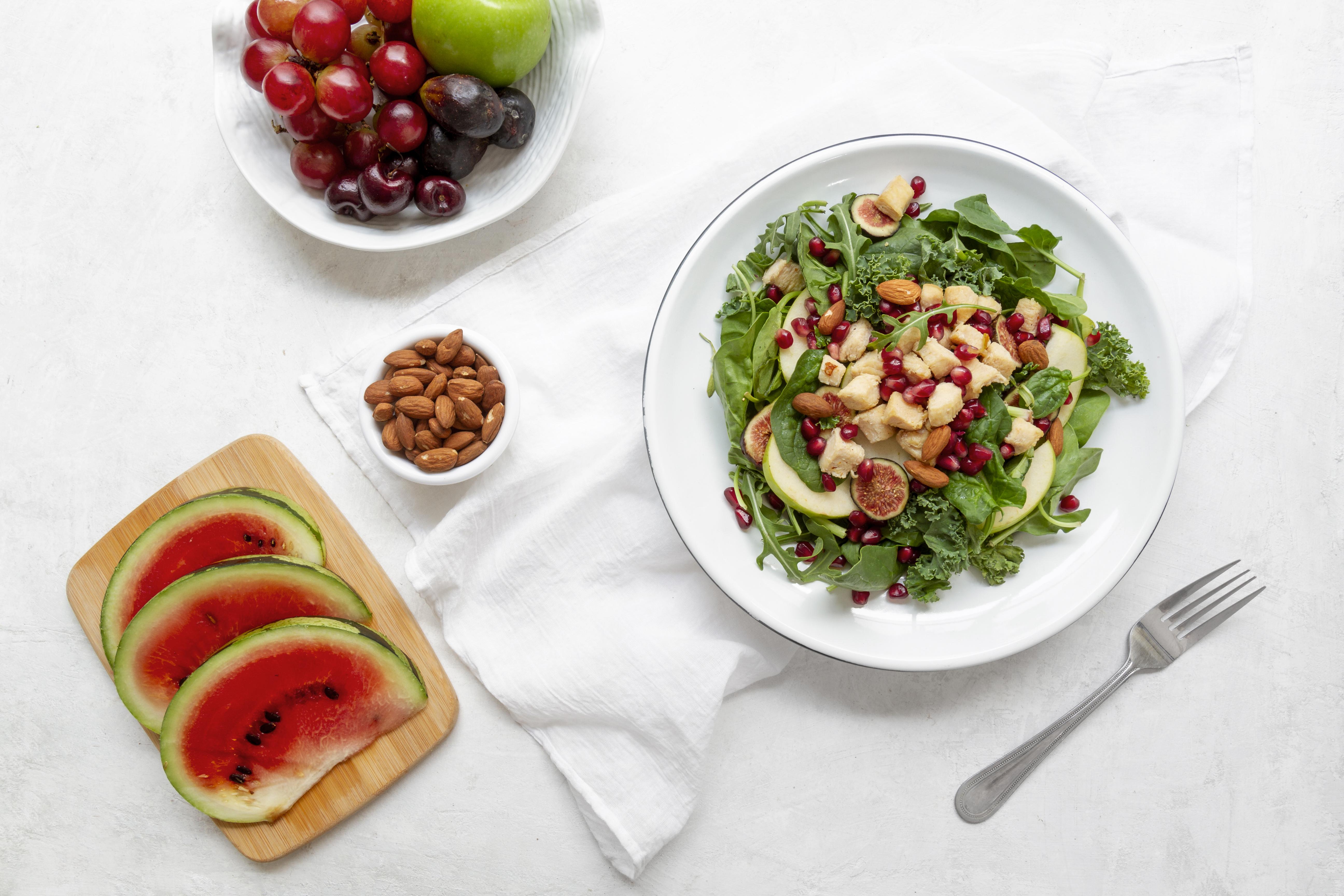
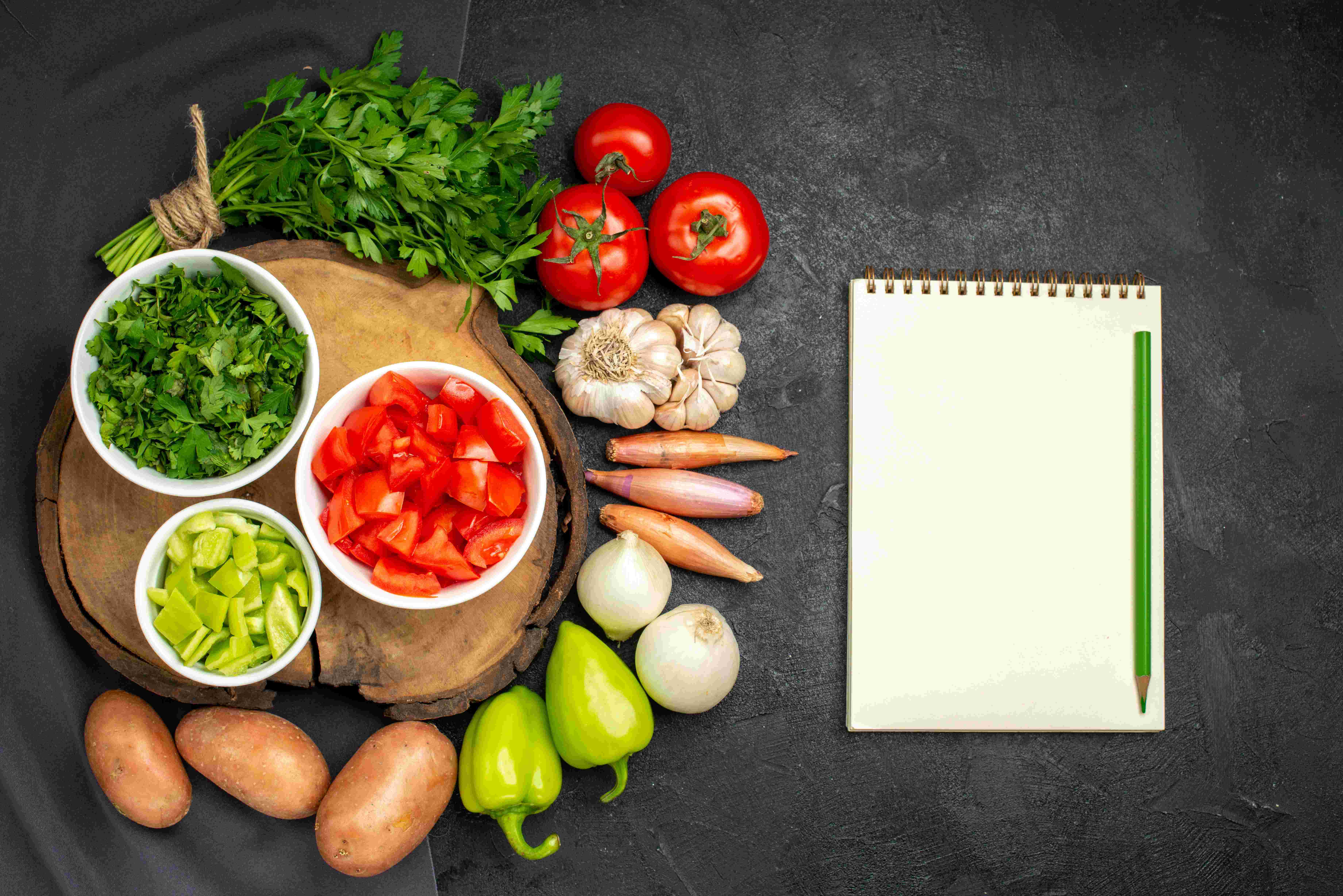
Vegetables and fruits provide fiber, vitamins, minerals, and beneficial plant compounds that support overall health.
Try including a variety of foods such as:
- Leafy greens
- Broccoli
- Carrots
- Tomatoes
- Bell peppers
- Berries
- Apples
- Citrus fruits
Choosing different colors throughout the day is an easy way to increase dietary variety.
4. Choose High-Fiber Carbohydrates
Carbohydrates are an important source of energy. Rather than avoiding carbohydrates, choose nutrient-rich sources that also provide fiber.
Examples include:
- Oats
- Brown rice
- Quinoa
- Whole-grain bread
- Potatoes and sweet potatoes
- Beans and lentils
Fiber supports digestive health and can help you feel satisfied after meals.
5. Stay Hydrated
Water is essential for digestion, circulation, temperature regulation, and many other body functions.
Keep water available throughout the day and drink according to your thirst, activity level, climate, and individual needs. Your fluid requirements may be higher during exercise or hot weather.
6. Reduce Added Sugar and Sugary Drinks
One of the simplest tips for eating healthier is to reduce foods and beverages that contain large amounts of added sugar.
Limit frequent consumption of:
- Soft drinks
- Sweetened beverages
- Candy
- Cakes and pastries
- Cookies
- Highly sweetened cereals
Instead, choose water, unsweetened beverages, whole fruit, or nutrient-rich snacks more often.
7. Practice Portion Awareness
Healthy eating isn’t only about what you eat. How much you eat also matters.
Simple portion-control habits include:
- Eating slowly
- Serving food onto a plate instead of eating directly from packages
- Paying attention to hunger and fullness
- Balancing protein, vegetables, carbohydrates, and healthy fats
Portion awareness can support healthy weight management without requiring extreme food restrictions.
8. Plan Your Meals
Meal planning can make healthy eating easier, especially when you have a busy schedule. Decide on several simple breakfasts, lunches, dinners, and snacks before the week begins.
Keep nutritious ingredients and convenient foods available so you’re less likely to depend on highly processed options when you’re hungry.
For people who struggle to prepare balanced meals every day, Mista Eats can also make healthy eating more convenient by providing ready-to-eat meal options that fit into busy routines. Having nutritious meals readily available can make it easier to stay consistent with better food choices.
9. Don’t Follow Extreme Diets
Fad diets may promise quick results, but highly restrictive eating patterns can be difficult to maintain and may make it harder to meet your nutritional needs.
A healthier approach is to build sustainable habits around nutritious foods, appropriate portions, regular physical activity, adequate sleep, and consistency.
If you have a medical condition or specific dietary requirements, seek advice from a qualified healthcare or nutrition professional.
10. Build Healthy Habits Gradually
You don’t need to change everything at once. Start with two or three habits and gradually build from there.
Morning
- Drink water
- Have a protein-rich breakfast
Lunch
- Include vegetables
- Add a protein source
- Choose a high-fiber carbohydrate
Snack
- Fruit, yogurt, or nuts
Dinner
- Choose a balanced meal with vegetables and protein
Throughout the day
- Stay hydrated
- Limit excessive sugary drinks
- Pay attention to hunger and fullness
Consistency matters more than following a perfect meal plan.
Common Beginner Mistakes
When starting a healthier diet, avoid these common mistakes:
- Skipping meals regularly
- Following extreme fad diets
- Eliminating entire food groups unnecessarily
- Ignoring portion sizes
- Consuming too many sugary drinks
- Expecting immediate results
- Relying heavily on highly processed “diet” foods
Healthy eating works best when it is realistic, flexible, and enjoyable.
Healthy Eating Doesn’t Have to Be Difficult
A healthier diet is built through everyday decisions. Adding more vegetables, choosing nutritious protein sources, drinking enough water, planning meals, and becoming more aware of portions can gradually improve your overall eating pattern.
The goal isn’t to follow complicated rules. It’s to develop healthy eating habits that support your body and fit naturally into your lifestyle.
Conclusion
Starting a healthy diet doesn’t require a strict meal plan or major lifestyle overhaul. The best simple diet tips for beginners are practical habits you can maintain over time – eating more nutrient-dense foods, getting enough protein and fiber, staying hydrated, managing portions, and planning meals ahead.
Focus on progress rather than perfection. Small improvements made consistently can support energy, digestion, immunity, healthy weight management, fitness, and long-term well-being.
Healthy eating is ultimately about creating a balanced relationship with food. By making nutritious choices more often and choosing convenient solutions such as Mista Eats when needed, you can make healthier eating a sustainable part of everyday life.
FAQ’s
1. What are the best simple diet tips for beginners?
Start by eating more vegetables, fruits, whole grains, and protein-rich foods while reducing excessive added sugar and highly processed foods.
2. How can beginners start eating healthier?
Begin with small changes such as adding vegetables to meals, choosing whole foods, drinking enough water, and planning meals ahead.
3. Is protein important in a healthy diet?
Yes. Protein supports muscle maintenance, recovery, fullness, and many essential functions in the body.
4. Can healthy eating improve overall health?
Yes. A balanced, nutrient-rich diet can support digestive health, energy, immune function, healthy weight management, and overall well-being.
5. Do I need to completely avoid unhealthy foods?
No. Healthy eating doesn’t require perfection. Occasional treats can fit into an overall nutritious and balanced eating pattern.