

Introduction
Good nutrition is the foundation of a healthy lifestyle. Your body needs a variety of nutrients to produce energy, support muscle function, maintain immunity, improve digestion, and protect long-term health.
Balanced nutrition for healthy living does not mean following a strict diet or avoiding your favorite foods. It means eating a variety of nutrient-rich foods in suitable portions and developing habits that you can maintain over time.
Whether you want to improve your daily diet, support fitness, manage your weight, or simply feel healthier, understanding the basics of nutrition can help you make better food choices.
What Is Balanced Nutrition?
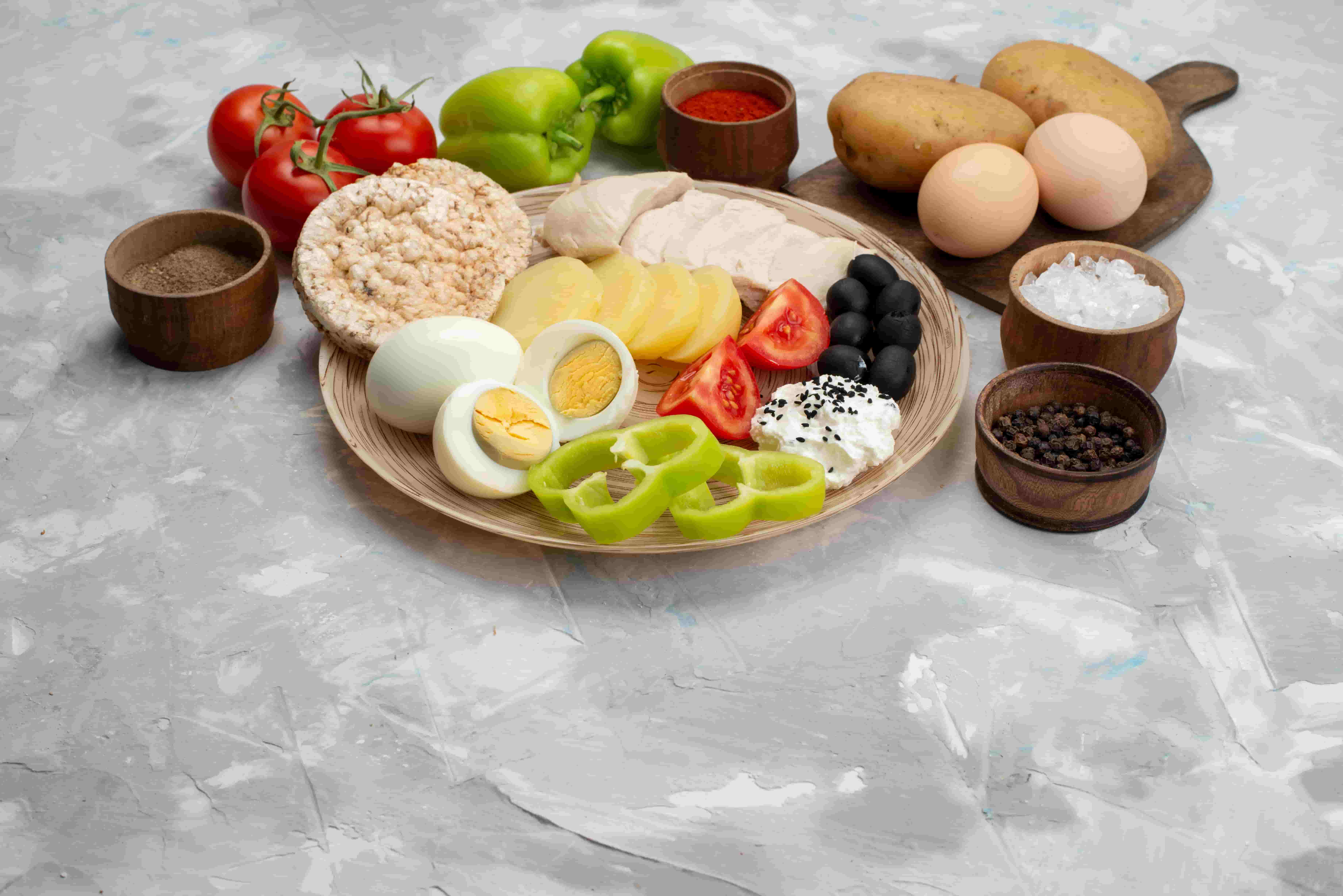
Balanced nutrition means providing your body with the nutrients it needs through a varied diet. These nutrients include carbohydrates, protein, fats, vitamins, minerals, fiber, and water.
A balanced meal usually includes:
- Vegetables and fruits
- Whole grains or other high-fiber carbohydrates
- Protein-rich foods
- Healthy fats
- Dairy or calcium-fortified alternatives
- Water or other suitable unsweetened drinks
The ideal balance may vary depending on your age, activity level, health needs, and personal goals.
Why Nutrition Is Important for Healthy Living
Supports Daily Energy
Carbohydrates, fats, and protein provide energy for work, exercise, and everyday activities. Choosing meals with a combination of these nutrients can help support steady energy throughout the day.
Helps Maintain a Healthy Weight
Balanced meals can make it easier to manage hunger, portions, and overall calorie intake. Weight management depends on several factors, including eating habits, physical activity, sleep, and individual health needs.
Supports Muscle Health
Protein helps build and repair tissues. Including protein-rich foods throughout the day supports muscle maintenance, especially when combined with regular strength training.
Promotes Digestive Health
Fiber from vegetables, fruits, whole grains, beans, and lentils supports normal digestion and helps maintain bowel regularity.
Supports Immune Function
A varied diet provides nutrients such as vitamin C, vitamin D, zinc, and vitamin A that contribute to normal immune function. No single food can prevent illness, but overall dietary quality matters.
Supports Heart Health
Eating more fiber-rich foods, vegetables, fruits, and unsaturated fats while limiting excess sodium, added sugar, and unhealthy fats can support cardiovascular health.
Essential Nutrition Tips for Healthy Living
1. Include More Vegetables and Fruits
Aim to include a variety of colorful vegetables and fruits in your meals. Different foods provide different nutrients, so variety is more useful than focusing on one “superfood.”
Good choices include:
- Leafy greens
- Broccoli
- Carrots
- Tomatoes
- Bell peppers
- Berries
- Apples
- Bananas
- Citrus fruits
2. Add Protein to Every Main Meal
Protein helps support muscle repair, fullness, and normal body functions. Choose from both plant and animal sources, depending on your dietary preferences.
Examples include:
- Eggs
- Fish
- Chicken
- Greek yogurt
- Paneer
- Tofu
- Lentils
- Beans
- Chickpeas
3. Choose High-Fiber Carbohydrates
Carbohydrates are an important source of energy. Instead of avoiding them, choose more high-fiber options such as:
- Oats
- Brown rice
- Quinoa
- Whole wheat
- Millets
- Potatoes with their skin
- Whole-grain bread
4. Include Healthy Fats
Unsaturated fats support normal brain and heart function. Include moderate portions of:
- Nuts
- Seeds
- Avocado
- Olive oil
- Fatty fish
- Nut butters
5. Drink Water Regularly
Water supports digestion, circulation, temperature regulation, and many other body functions. Drink regularly throughout the day and increase your intake when exercising or in hot conditions. Individual needs vary, so use thirst, activity, and climate as practical guides.
6. Limit Highly Processed Foods
Highly processed foods are not automatically unhealthy, but many contain large amounts of added sugar, sodium, or calories. Try to limit frequent consumption of sugary drinks, deep-fried foods, and heavily processed snacks while maintaining a flexible, balanced diet.
Common Nutrition Mistakes to Avoid
Small habits can make a significant difference to dietary quality. Avoid:
- Skipping meals and becoming excessively hungry
- Eating too quickly
- Relying on packaged snacks regularly
- Ignoring portion sizes
- Eating too few vegetables
- Following restrictive diets without a clear reason
- Assuming supplements can replace a balanced diet
Focus on gradual improvements rather than trying to change everything at once.
How Meal Planning Improves Nutrition
Meal planning helps you maintain a more consistent and varied diet. It can also reduce last-minute food decisions and make grocery shopping easier.
Try these practical steps:
- Plan a few meals before shopping
- Prepare ingredients in batches
- Keep fruit and healthy snacks accessible
- Include protein and vegetables in lunch and dinner
- Use leftovers creatively
- Prepare balanced meals for busy workdays
For people with limited time, convenient, freshly prepared meals from Mista Eats can make it easier to maintain regular eating habits while reducing the time spent cooking and planning.
Sample Balanced Day of Eating
| Meal | Example |
|---|---|
| Breakfast | Vegetable oats, eggs, and fresh fruit |
| Lunch | Brown rice, dal or chicken, vegetables, and salad |
| Snack | Greek yogurt, fruit, or a small portion of nuts |
| Dinner | Whole wheat roti, paneer or fish, and mixed vegetables |
Portions should be adjusted according to individual energy requirements, activity levels, and health goals.
Build Healthy Habits Gradually
Healthy nutrition is not about perfection. Start with realistic changes such as adding one extra serving of vegetables, choosing water more often, including protein at breakfast, or preparing meals in advance.
A sustainable approach combines nutritious food with regular movement, adequate sleep, stress management, and habits that fit your lifestyle.
Conclusion
Balanced nutrition for healthy living is about variety, moderation, and consistency. By eating a combination of vegetables, fruits, whole grains, protein-rich foods, healthy fats, and adequate fluids, you can support energy, digestion, muscle health, and long-term wellness.
You do not need a perfect diet to make progress. Focus on practical improvements that you can maintain and choose foods that nourish your body while making healthy eating enjoyable.
FAQ’s
1. What is balanced nutrition for healthy living?
Balanced nutrition means eating a variety of foods that provide carbohydrates, protein, healthy fats, vitamins, minerals, fiber, and water in suitable amounts.
2. Why is balanced nutrition important?
It supports energy, digestion, muscle health, immune function, heart health, and healthy weight management.
3. What foods should be included in a balanced diet?
Include vegetables, fruits, whole grains, protein-rich foods, healthy fats, and dairy or calcium-fortified alternatives according to your dietary needs.
4. How can busy people maintain healthy nutrition?
Meal planning, batch cooking, keeping nutritious snacks available, and choosing convenient balanced meals can make healthy eating easier.
5. How can I improve my nutrition every day?
Start with small changes, such as eating more vegetables, including protein in main meals, choosing high-fiber carbohydrates, drinking water regularly, and limiting excess added sugar.