

Introduction
Weight loss looks very different today than it did a generation ago. For many Gen Z adults and young professionals, food is closely connected to convenience, social media, busy schedules, food delivery apps, late-night eating, and constantly changing food trends.
From ordering takeout between work or college commitments to grabbing sugary drinks, desserts, fast food, or highly processed snacks, modern eating habits can make maintaining a healthy weight challenging. At the same time, social media can create unrealistic expectations around body shape and rapid weight loss.
The solution isn’t another extreme diet. Healthy weight loss diet plans should focus on sustainable nutrition, realistic portions, adequate protein and fiber, regular movement, and habits that fit modern lifestyles.
Why Gen Z May Struggle With Weight Management
Gen Z isn’t necessarily eating poorly all the time. The bigger challenge is often consistency and the food environment.
Several modern habits can make healthy weight management more difficult:
- Frequent food delivery and restaurant meals
- Sugary coffees, energy drinks, and soft drinks
- Highly processed convenience foods
- Frequent snacking while studying or working
- Irregular meal schedules
- Late-night eating
- Eating while scrolling or watching content
- Large restaurant and takeaway portions
- Social occasions centered around food
- Limited time for meal preparation
None of these foods automatically cause weight gain. The issue is that frequent consumption of calorie-dense foods, combined with low physical activity and larger portions, can make it easier to consume more energy than the body uses.
The Real Connection Between Modern Food and Weight Gain
Many popular foods are designed to be convenient, flavorful, and easy to consume. Burgers, fries, desserts, packaged snacks, sweetened beverages, and highly processed foods can provide substantial calories without always keeping you full for very long.
Liquid calories can be particularly easy to overlook. A sweetened coffee or sugary beverage may feel like a drink rather than part of a meal, yet it can contribute meaningful calories to the overall diet.
The goal isn’t to eliminate these foods completely. Instead, healthy weight loss involves learning how to balance convenience foods with nutrient-dense meals.
What Makes a Healthy Weight Loss Diet Plan Effective?
A sustainable weight loss plan should create a manageable calorie deficit while providing enough nutrition to support your health and daily activities.
1. Prioritize Protein
Protein can help support muscle maintenance and increase feelings of fullness during weight loss.
Include foods such as:
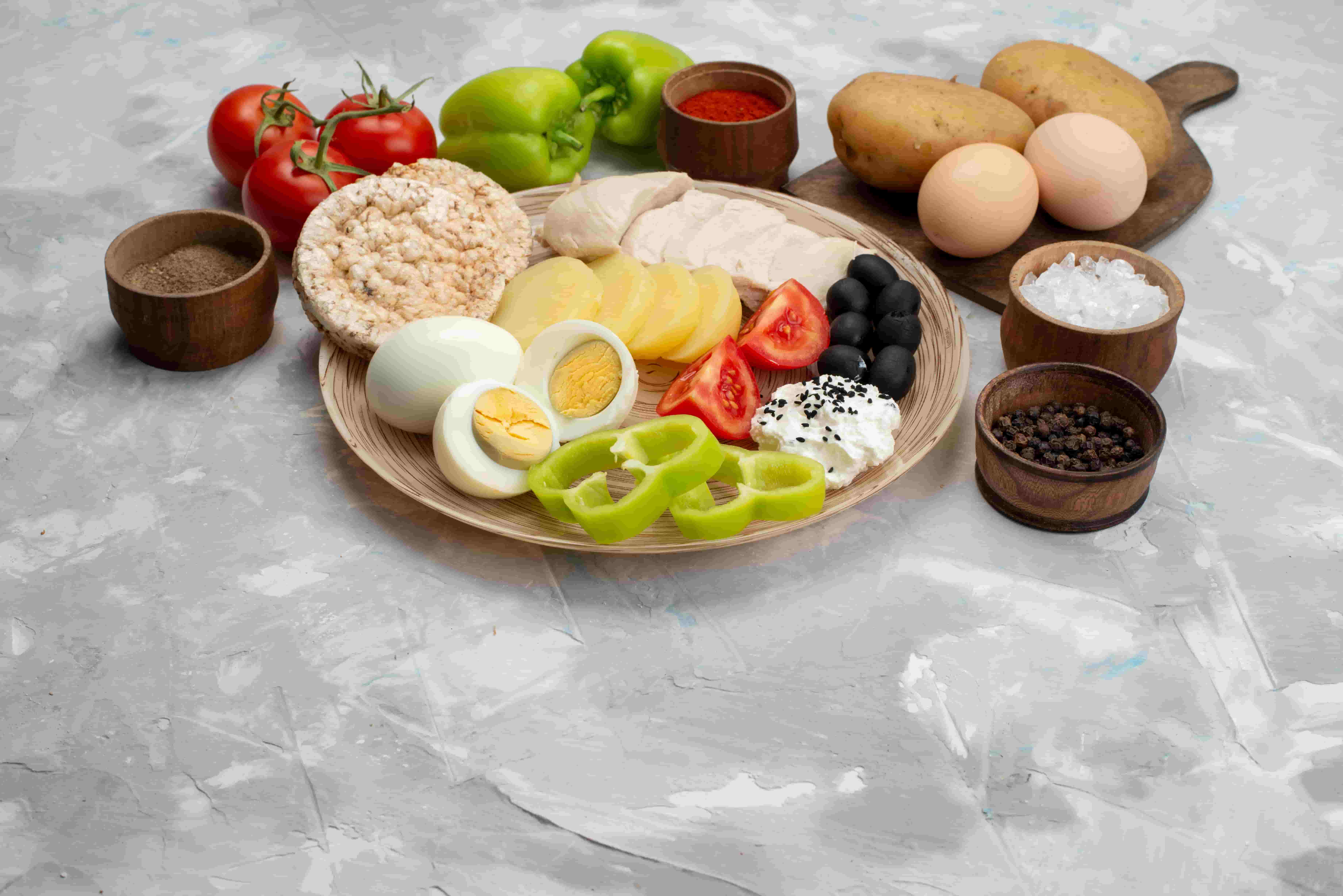
- Eggs
- Chicken
- Fish
- Greek yogurt
- Paneer
- Tofu
- Lentils
- Beans
Your individual protein requirements depend on factors such as body size, activity level, age, and fitness goals.
2. Increase Fiber-Rich Foods
Fiber can help improve satiety and digestive health.
Good choices include:
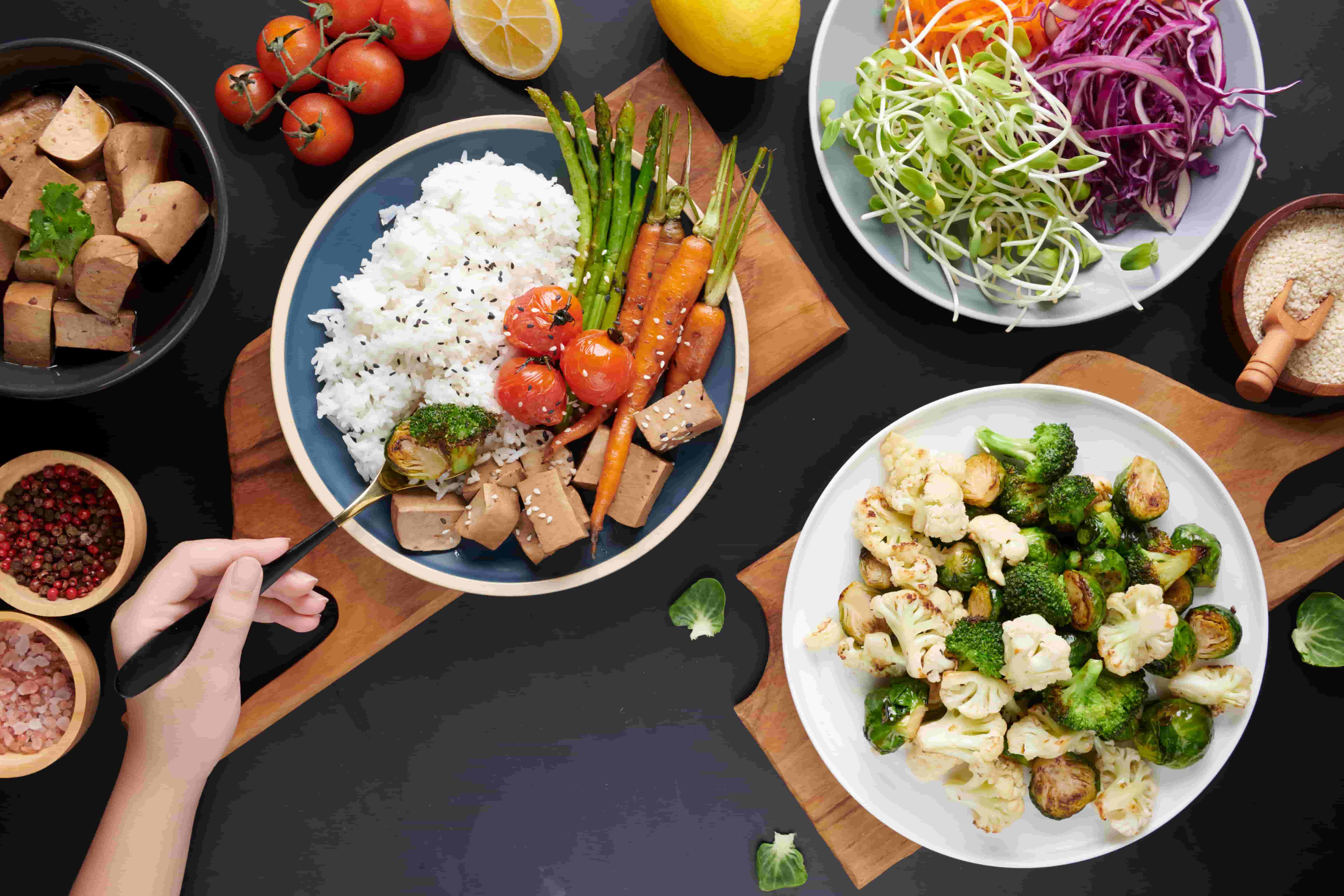
- Vegetables
- Fruits
- Oats
- Beans
- Lentils
- Whole grains
- Chia and other seeds
Rather than trying to completely remove carbohydrates, choose more nutrient-dense, high-fiber carbohydrate sources.
3. Learn Portion Control
You don’t have to stop eating your favorite foods to lose weight.
Instead, consider:
- Smaller portions of calorie-dense foods
- More vegetables alongside meals
- A protein-rich component at meals
- Eating slowly
- Paying attention to hunger and fullness
Portion awareness is particularly useful when eating restaurant or takeaway meals, where serving sizes can be larger than expected.
Gen Z-Friendly Weight Loss Strategies
Healthy eating doesn’t have to mean giving up your lifestyle.
Use the 80/20 Approach
Most meals can focus on nutritious foods while leaving room for foods you genuinely enjoy.
This creates flexibility and can make a healthy eating routine easier to maintain.
Upgrade Your Favorite Foods
Instead of completely eliminating pizza, burgers, noodles, or desserts, look for practical ways to improve the overall meal.
For example, you could:
- Add vegetables
- Include a protein source
- Choose a smaller portion
- Pair meals with water instead of sugary drinks
- Avoid automatically adding multiple high-calorie sides
Don’t Let Food Delivery Decide Every Meal
Food delivery is convenient, but ordering every meal can make portions and calorie intake harder to manage.
Keep simple foods available at home, such as fruit, yogurt, eggs, vegetables, oats, whole grains, and protein-rich options. This gives you healthier choices when you’re hungry and short on time.
How to Handle Late-Night Cravings
Late-night eating is common among students, creators, gamers, professionals, and anyone with irregular schedules.
Instead of trying to rely entirely on willpower:
- Eat balanced meals during the day.
- Include sufficient protein and fiber.
- Keep nutritious snacks available.
- Avoid going extremely long periods without eating.
- Distinguish physical hunger from boredom or stress when possible.
If you’re genuinely hungry, a nutritious snack can be more appropriate than forcing yourself to ignore hunger.
Weight Loss Is More Than Food
Nutrition is central to weight management, but lifestyle also matters.
Stay Physically Active
Walking, strength training, cycling, swimming, sports, and other enjoyable activities can increase daily energy expenditure and support overall fitness.
Prioritize Sleep
Consistently inadequate sleep can affect appetite, energy, food choices, and recovery. Building a regular sleep routine can therefore support healthier weight-management habits.
Manage Stress
Stress can influence eating behavior, particularly when food becomes a coping mechanism. Exercise, social connection, relaxation techniques, hobbies, and adequate sleep can help create healthier alternatives.
Make Healthy Eating Convenient
One of the biggest barriers to healthy eating is convenience. When you’re busy, preparing every meal from scratch isn’t always realistic.
Fresh, balanced prepared meals can make it easier to maintain consistent nutrition while reducing the need to decide what to eat every day. Mista Eats provides fresh meal options that can fit into a busy lifestyle, making nutritious eating more convenient for people working toward weight management and healthier everyday habits.
Common Weight Loss Mistakes to Avoid
Avoid relying on:
- Crash diets
- Extremely low-calorie plans
- Complete elimination of carbohydrates
- Detox diets
- Weight-loss promises based on supplements alone
- Skipping meals to compensate for overeating
- Expecting dramatic results within days
A successful weight loss strategy should be realistic enough to continue for months and years.
Conclusion
For today’s generation, sustainable weight loss isn’t about completely avoiding fast food, desserts, food delivery, or social eating. It’s about understanding how these habits fit into your overall diet.
The most effective healthy weight loss diet plans combine a manageable calorie deficit with adequate protein, fiber-rich foods, sensible portions, regular physical activity, quality sleep, and flexibility.
Gen Z doesn’t need another extreme diet trend. What works better is a realistic approach to nutrition that fits modern life.
Eat better, move regularly, enjoy your food, and focus on consistency rather than perfection.
FAQ’s
1. What is the best weight loss diet for Gen Z?
The best approach is a balanced, sustainable diet that provides adequate protein, fiber, vitamins, minerals, and overall nutrition while supporting an appropriate calorie deficit.
2. Can Gen Z eat fast food and still lose weight?
Yes. Weight loss does not require completely eliminating fast food. Portion control and overall dietary balance are more important than labeling individual foods as completely good or bad.
3. Are food delivery apps causing weight gain?
Food delivery itself doesn’t automatically cause weight gain. However, frequent consumption of large portions, calorie-dense meals, sugary drinks, and highly processed foods can make calorie control more difficult.
4. How can I lose weight without giving up my favorite foods?
Use portion control, balance calorie-dense foods with nutritious meals, prioritize protein and vegetables, and focus on your overall eating pattern rather than eliminating specific foods.
5. How quickly can I lose weight sustainably?
Weight loss varies between individuals. A gradual approach is generally easier to maintain than rapid weight loss, and your results will depend on factors including calorie intake, activity, body composition, health, and consistency.