

Introduction
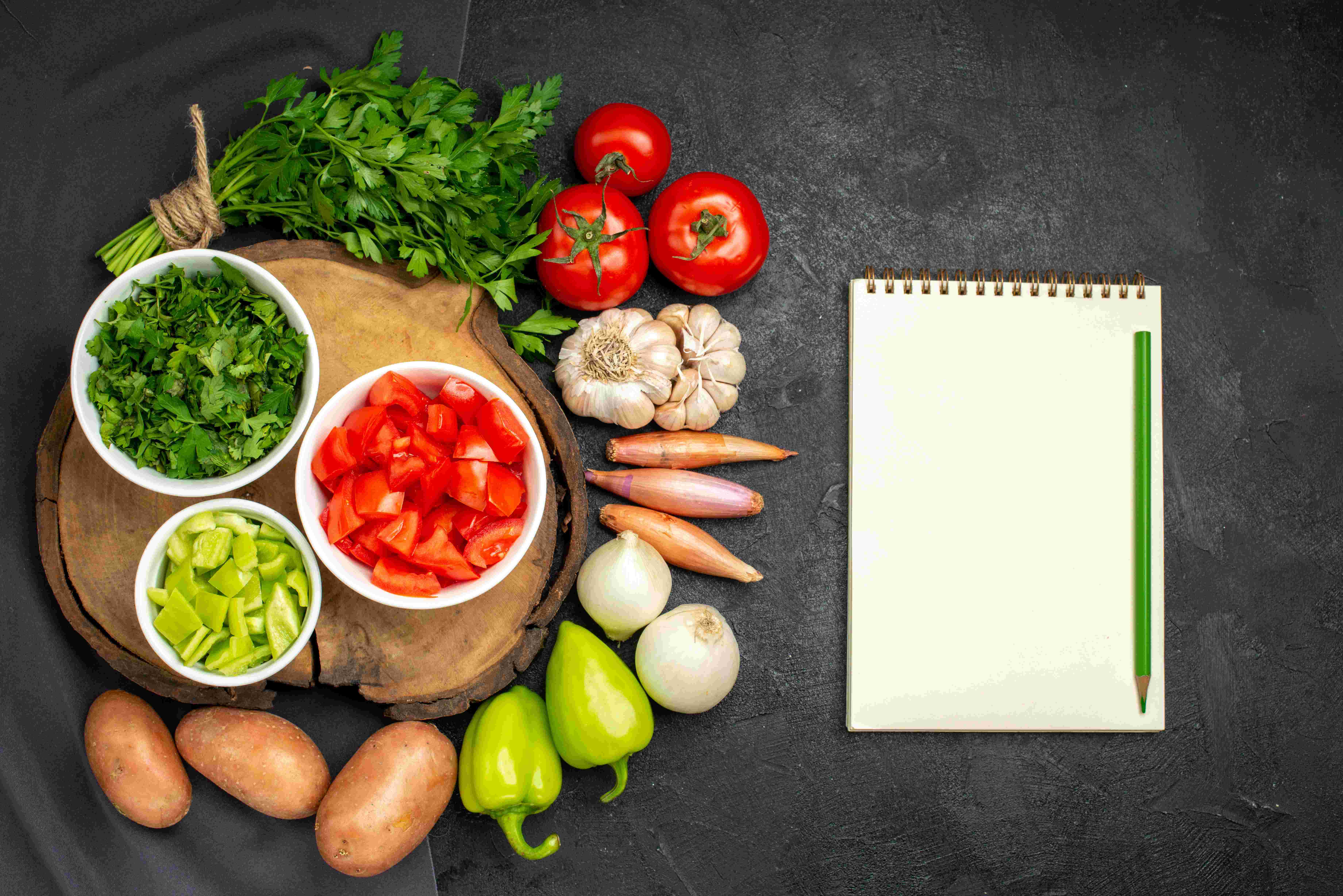
Feeling tired throughout the day can make it difficult to stay focused, active, and productive. While occasional fatigue can have many causes, your everyday food choices play an important role in providing the energy and nutrients your body needs.
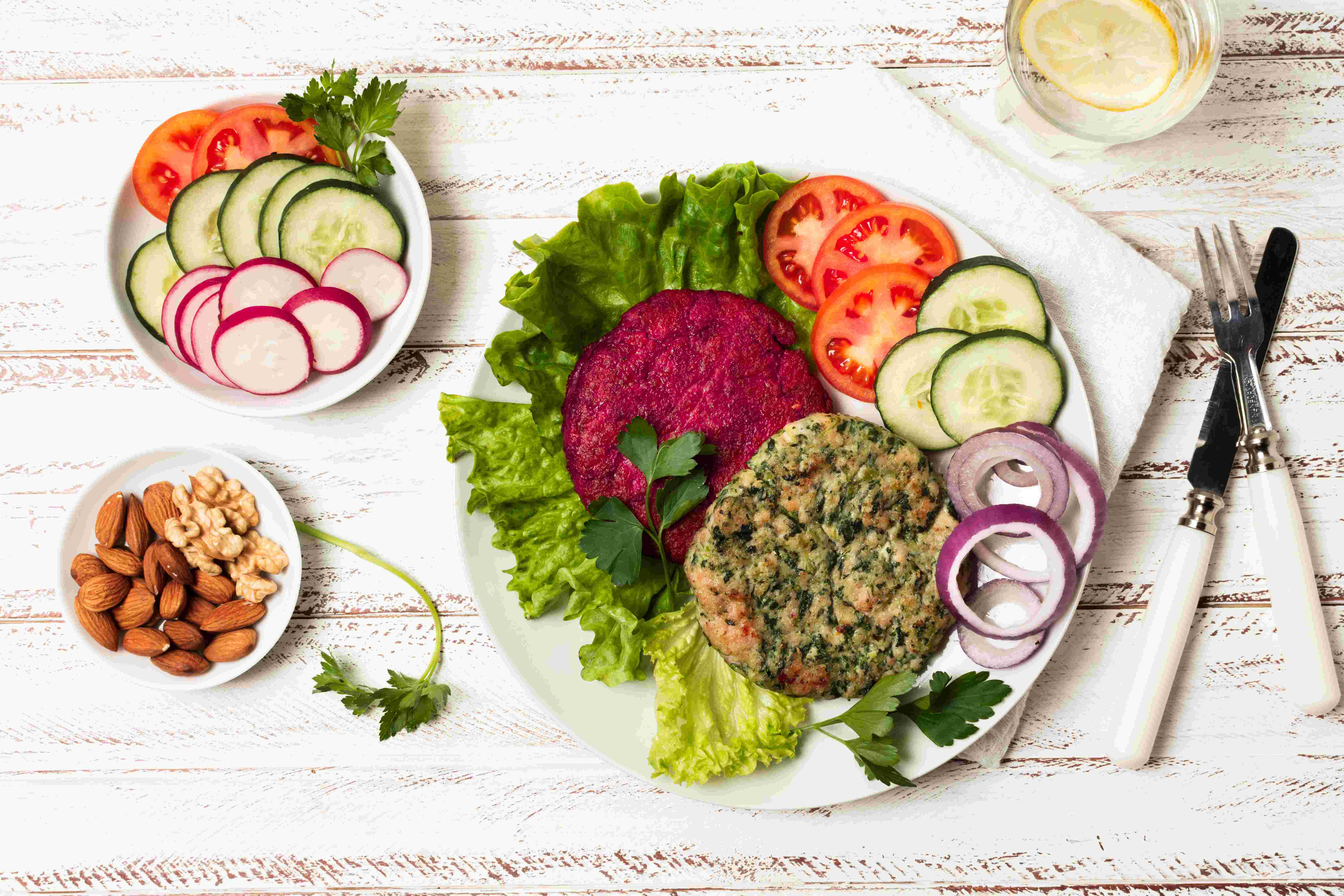
Choosing high-energy nutritious foods can help you build balanced meals that provide carbohydrates for fuel, protein for muscle maintenance, healthy fats for sustained energy, and essential vitamins and minerals for normal body functions.
A nutritious eating pattern also supports the normal functioning of the immune system. Instead of depending on sugary snacks or excessive caffeine for quick energy, focus on a variety of whole and nutrient-rich foods.
Why Nutrition Matters for Energy and Immunity
Your body needs a steady supply of nutrients to produce energy, maintain tissues, support metabolism, and keep the immune system functioning normally.
A balanced diet can provide:
- Protein for muscle maintenance and recovery
- Carbohydrates for everyday energy
- Healthy fats for essential body functions
- Fiber for digestive health
- Vitamins and minerals needed for normal physiological processes
- Plant compounds that contribute to a nutrient-rich diet
No single food can prevent illness or instantly eliminate fatigue. Overall dietary quality, sleep, hydration, physical activity, and other lifestyle factors all contribute to health.
10 High-Energy Nutritious Foods to Include in Your Diet
1. Oats
Oats provide complex carbohydrates and fiber, making them a practical choice for breakfast or snacks.
Try combining oats with Greek yogurt, berries, nuts, or seeds for a more balanced meal.
2. Eggs
Eggs provide high-quality protein along with nutrients such as choline and vitamin D.
Pair eggs with vegetables and whole-grain toast for a nutrient-dense breakfast.
3. Leafy Greens
Spinach, kale, and other leafy greens provide folate, vitamin C, vitamin K, and other nutrients.
Adding greens to salads, soups, omelets, or smoothies is an easy way to increase vegetable intake.
4. Nuts and Seeds
Almonds, walnuts, pumpkin seeds, chia seeds, and flaxseeds provide healthy fats, protein, fiber, magnesium, and other nutrients.
Because nuts and seeds are energy-dense, moderate portions are usually appropriate.
5. Greek Yogurt
Greek yogurt provides protein and, depending on the product, beneficial live cultures.
Choose unsweetened varieties and add fruit, oats, or seeds for a balanced snack or breakfast.
6. Citrus Fruits
Oranges, grapefruit, and other citrus fruits are rich in vitamin C and provide hydration and fiber.
Whole fruit is generally a better choice than relying on fruit juice because it retains the fruit’s fiber.
7. Sweet Potatoes
Sweet potatoes provide carbohydrates, fiber, and beta-carotene. They can be roasted, baked, or added to balanced meals.
Pair them with protein and vegetables for a satisfying meal.
8. Fatty Fish
Salmon, sardines, and mackerel provide protein and omega-3 fatty acids.
Including fish as part of a balanced diet can contribute important nutrients while adding variety to your protein sources.
9. Berries
Blueberries, strawberries, raspberries, and blackberries provide fiber, vitamins, and antioxidant compounds.
Add them to yogurt, oats, smoothies, or eat them as a simple snack.
10. Beans, Lentils, and Chickpeas
Legumes are excellent sources of plant protein, fiber, and several essential nutrients.
They can be used in soups, salads, curries, grain bowls, and other balanced meals.
Key Nutrients for Energy and Immune Health
Rather than focusing on individual “superfoods,” build your diet around a variety of nutrient-rich foods.
| Nutrient | Food Sources |
| Protein | Eggs, fish, yogurt, beans, lentils |
| Iron | Legumes, leafy greens, lean meats |
| Vitamin C | Citrus fruits, berries, vegetables |
| Vitamin D | Eggs, fortified foods, fatty fish |
| Zinc | Seeds, nuts, legumes, seafood |
| Magnesium | Nuts, seeds, whole grains, leafy greens |
| Omega-3 fats | Fatty fish, chia seeds, flaxseeds |
| Fiber | Fruits, vegetables, oats, legumes |
A varied diet is generally more useful than relying on one food or nutrient.
Easy Meal Ideas for Better Nutrition
You can combine these foods into simple, balanced meals:
Breakfast
Oatmeal with Greek yogurt, berries, and chia seeds.
Snack
Apple with a small portion of almonds.
Lunch
Grilled chicken or chickpeas with brown rice, leafy greens, and vegetables.
Snack
Greek yogurt with fruit.
Dinner
Grilled salmon or tofu with sweet potato and steamed vegetables.
These combinations provide a mix of protein, carbohydrates, healthy fats, fiber, vitamins, and minerals.
Healthy Habits That Support Energy
Nutritious food works best as part of an overall healthy lifestyle. Also focus on:
- Drinking enough fluids throughout the day
- Eating balanced meals regularly
- Getting adequate sleep
- Staying physically active
- Including a variety of fruits and vegetables
- Limiting excessive added sugar
- Choosing minimally processed foods more often
If persistent or unexplained fatigue continues despite healthy lifestyle habits, consider speaking with a healthcare professional.
Meal Planning Makes Healthy Nutrition Easier
Knowing what to eat is only part of maintaining a nutritious diet. Busy schedules can make it difficult to shop, prepare, and cook balanced meals consistently.
Meal planning can help you:
- Save preparation time
- Reduce impulsive food choices
- Include a wider variety of nutrients
- Manage portions
- Maintain consistency throughout the week
For particularly busy days, Mista Eats can make nutritious eating more convenient with prepared meal options. Having balanced meals available can make it easier to maintain healthier eating habits when there isn’t enough time for daily meal preparation.
Conclusion
Including high-energy nutritious foods in your diet is a practical way to improve the overall quality of your nutrition. Foods such as oats, eggs, leafy greens, berries, legumes, nuts, seeds, yogurt, sweet potatoes, and fatty fish provide a range of nutrients that support energy metabolism and normal immune function.
However, healthy nutrition isn’t about finding one food that provides all the answers. A varied and balanced diet, combined with adequate hydration, quality sleep, regular physical activity, and consistent healthy habits, provides a stronger foundation for long-term wellness.
Start by making one meal more nutritious today. Gradually increasing the variety and quality of the foods you eat can make healthy nutrition a sustainable part of your everyday life.
FAQ’s
1. What are the best high-energy nutritious foods?
Oats, eggs, legumes, nuts, seeds, berries, leafy greens, yogurt, sweet potatoes, and fatty fish are nutrient-rich choices that can contribute to a balanced diet and steady energy.
2. Which foods support a healthy immune system?
A varied diet containing fruits, vegetables, whole grains, legumes, protein-rich foods, nuts, and seeds provides nutrients that support normal immune function.
3. How can I increase my energy naturally through nutrition?
Build meals around protein, fiber-rich carbohydrates, healthy fats, fruits, and vegetables. Staying hydrated and eating regularly can also support everyday energy.
4. Are healthy meal plans useful for busy people?
Yes. Planning meals ahead can make balanced nutrition more convenient, reduce last-minute food choices, and help maintain consistency.
5. Can food improve both energy and immunity?
A nutrient-rich, varied diet provides essential nutrients involved in energy metabolism and immune function. However, no single food can guarantee protection from illness or eliminate fatigue.