
Introduction
Good nutrition is one of the foundations of a healthy lifestyle. Eating well is not about following restrictive diets, eliminating entire food groups, or constantly searching for the latest nutrition trend. It is about giving your body the nutrients it needs while developing eating habits that you can maintain over time.
Understanding practical nutrition tips for healthy living can help you make better food choices, support your energy levels, maintain a healthy weight, and improve your overall well-being.
A healthy eating pattern should provide a variety of protein, carbohydrates, healthy fats, fibre, vitamins, minerals, and fluids. It should also be flexible enough to fit different lifestyles, cultures, food preferences, and budgets.
The goal is not perfection. The goal is consistency.
Why Nutrition Matters for Healthy Living
Food provides the nutrients your body needs for energy, growth, repair, and normal physiological functions.
A balanced diet can support:
- Healthy weight management
- Normal immune function
- Muscle maintenance
- Bone health
- Digestive health
- Brain function
- Cardiovascular health
- Daily energy
- Overall well-being
Good nutrition is not based on one particular food. It comes from the overall quality and variety of your eating pattern.
1. Eat a Variety of Vegetables
Vegetables are important sources of fibre, vitamins, minerals, and beneficial plant compounds.
Try to include different types and colours throughout the week, such as:
- Spinach
- Broccoli
- Carrots
- Tomatoes
- Bell peppers
- Cauliflower
- Green beans
- Leafy greens
Different vegetables provide different nutrients, so variety matters. A simple way to increase your intake is to add vegetables to lunch and dinner and include them in soups, salads, stir-fries, curries, or grain bowls.
2. Choose Whole and Minimally Processed Foods
Whole and minimally processed foods can form the foundation of a nutritious diet.
Good choices include:
- Fresh or frozen fruits
- Vegetables
- Whole grains
- Beans
- Lentils
- Eggs
- Fish
- Lean meats
- Tofu
- Nuts
- Seeds
- Unsweetened dairy or suitable alternatives
You do not need to completely avoid processed foods. Instead, focus on making nutrient-dense foods the regular foundation of your meals.
3. Include Enough Protein
Protein plays an important role in maintaining and repairing body tissues. It also supports muscle maintenance and can help increase feelings of fullness.
Protein-rich foods include:
- Eggs
- Chicken
- Fish
- Paneer
- Tofu
- Tempeh
- Greek yogurt
- Lentils
- Beans
- Chickpeas
Including protein in your main meals can make balanced eating easier and may help reduce unnecessary snacking.
Individual protein requirements vary depending on factors such as age, body size, activity level, and health goals.
4. Choose Nutrient-Rich Carbohydrates
Carbohydrates are an important source of energy and can be part of a healthy eating pattern.
Instead of avoiding carbohydrates completely, choose nutrient-rich sources such as:
- Oats
- Brown rice
- Quinoa
- Potatoes
- Sweet potatoes
- Whole-grain bread
- Whole-wheat pasta
- Fruits
- Beans
- Lentils
Whole and minimally processed carbohydrate sources can also provide fibre, vitamins, and minerals.
5. Include Healthy Fats
Dietary fat is essential for several normal body functions and helps the body absorb fat-soluble vitamins.
Healthy sources include:
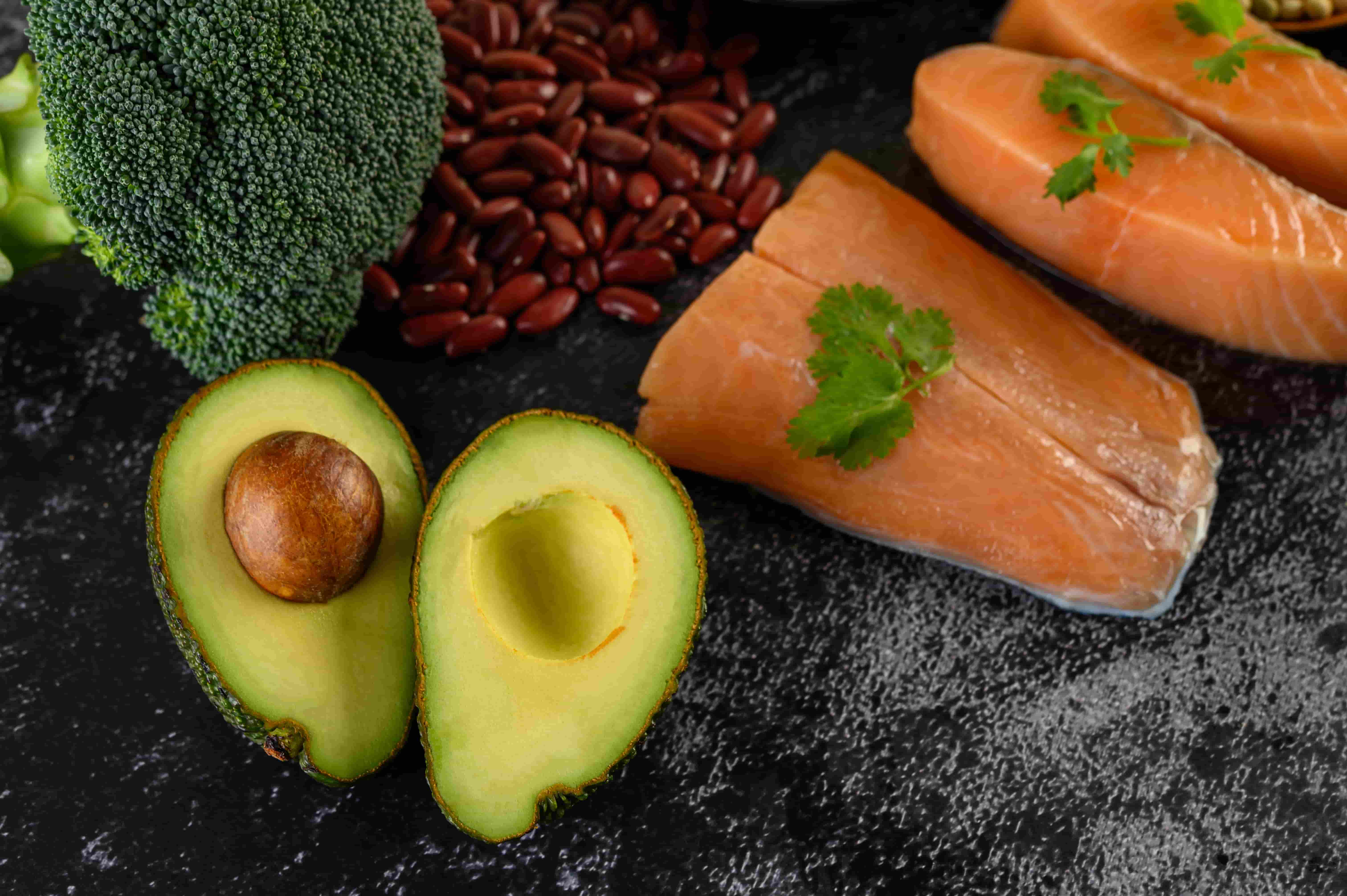
- Avocados
- Almonds
- Walnuts
- Chia seeds
- Flaxseeds
- Pumpkin seeds
- Olive oil
- Fatty fish
Healthy fats are calorie-dense, so appropriate portions are important, particularly when managing overall calorie intake.
6. Eat Enough Fibre
Fibre supports digestive health and can contribute to feelings of fullness.
Good sources include:
- Vegetables
- Fruits
- Oats
- Whole grains
- Beans
- Lentils
- Chia seeds
- Flaxseeds
- Nuts
Increasing fibre gradually while drinking enough fluids can help support digestive comfort. Rather than relying on supplements, aim to obtain most of your fibre from a varied diet unless a healthcare professional recommends otherwise.
7. Stay Hydrated
Water is essential for many body functions, including temperature regulation, digestion, circulation, and physical performance.
Simple hydration habits include:
- Carrying a reusable water bottle
- Drinking water regularly
- Choosing water instead of sugary drinks
- Drinking more fluids during exercise or hot weather
- Including water-rich foods such as fruits and vegetables
Fluid requirements differ from person to person depending on activity, climate, body size, and other factors.
8. Limit Added Sugar and Highly Processed Foods
Foods high in added sugar can contribute significant calories without providing many essential nutrients.
Common sources include:
- Sugary soft drinks
- Sweetened beverages
- Candies
- Cakes
- Pastries
- Desserts
- Highly processed snacks
You do not have to completely eliminate these foods. Instead, enjoy them occasionally while making nutrient-rich foods the foundation of your diet. Reading nutrition labels can also help you identify added sugars, sodium, and other ingredients.
9. Practice Portion Awareness
Healthy food choices are only one part of balanced nutrition. The amount you eat also matters.
Helpful strategies include:
- Eating slowly
- Using appropriately sized plates
- Serving food before eating
- Paying attention to hunger and fullness
- Avoiding eating directly from large packages
- Limiting distracted eating
Portion awareness does not mean eating extremely small meals. It means understanding how much food suits your individual energy and nutritional needs.
10. Plan Your Meals
Meal planning can make healthy eating easier and more consistent.
Before shopping, think about the meals you want to prepare during the week. Choose ingredients that can be used in multiple dishes. For example, cooked vegetables, grains, beans, eggs, chicken, or tofu can be combined in salads, bowls, wraps, soups, and other meals.
Planning ahead can help:
- Reduce impulsive food choices
- Save preparation time
- Reduce food waste
- Improve meal variety
- Make balanced eating more convenient
A Simple Healthy Daily Meal Structure
A balanced day of eating could look like this:
Breakfast:
Oatmeal with fruit, Greek yogurt, and a small portion of nuts.
Mid-Morning Snack:
Fresh fruit or unsweetened yogurt.
Lunch:
Brown rice or quinoa with chicken, tofu, or lentils and mixed vegetables.
Evening Snack:
Roasted chickpeas, fruit, or a small portion of nuts.
Dinner:
Grilled fish, paneer, tofu, or beans with vegetables and a moderate serving of whole grains.
This is only an example. Individual nutritional requirements vary, so meals should be adjusted according to personal needs and goals.
Common Nutrition Mistakes to Avoid
Some habits can make healthy eating more difficult.
Try to avoid:
- Following extreme diets
- Eliminating food groups without a nutritional reason
- Skipping meals regularly
- Drinking too many sugary beverages
- Eating very few vegetables
- Ignoring portion sizes
- Relying heavily on ultra-processed foods
- Expecting immediate results
Healthy nutrition is a long-term process rather than a short-term challenge.
Make Healthy Nutrition Sustainable
The most effective eating pattern is one that you can maintain.
You do not need to make every meal perfect. Instead, focus on your overall eating pattern.
Make healthy nutrition easier by:
- Keeping nutritious foods available
- Planning meals
- Preparing ingredients in advance
- Trying new healthy recipes
- Eating a variety of foods
- Allowing occasional treats
- Focusing on progress rather than perfection
For people with busy schedules, convenient prepared meals can also help maintain consistency. Mista Eats offers freshly prepared meal options that can make balanced eating more convenient when there is limited time for grocery shopping, meal preparation, and cooking.
Nutrition and Long-Term Wellness
Healthy eating works best when combined with other lifestyle habits.
Regular physical activity, adequate sleep, stress management, hydration, and maintaining social connections can all contribute to overall wellness.
Nutrition should support your lifestyle rather than become a source of unnecessary stress.
If you have a medical condition, food allergy, or specific nutritional requirement, consider speaking with a qualified healthcare professional or registered dietitian for personalized guidance.
Conclusion
The best nutrition tips for healthy living are often simple: eat a variety of nutrient-rich foods, include adequate protein, choose quality carbohydrates and healthy fats, increase fibre, stay hydrated, manage portions, and plan meals when possible.
You do not need an extreme diet to improve your nutrition. Small, consistent changes can gradually become healthy habits that support your energy, digestion, fitness, weight management, and overall well-being.
Healthy living starts with what you do consistently. Focus on balanced meals, variety, moderation, and sustainable habits, and make nutrition a practical part of your everyday lifestyle.
FAQ’s
1. What are the best nutrition tips for healthy living?
Focus on eating a variety of whole and minimally processed foods, including vegetables, fruits, protein-rich foods, whole grains, healthy fats, and fibre-rich ingredients.
2. Why is balanced nutrition important for long-term wellness?
Balanced nutrition provides essential nutrients that support energy, digestion, muscle maintenance, immune function, cardiovascular health, and overall well-being.
3. How much protein should I eat each day?
Protein needs vary depending on factors such as age, body size, activity level, and health goals. Including a quality protein source in regular meals is a practical approach for many people.
4. How can I eat healthier when I have a busy schedule?
Meal planning, preparing ingredients in advance, keeping nutritious snacks available, and using convenient balanced meal options such as Mista Eats can make healthy eating easier.
5. Is healthy eating about avoiding all unhealthy foods?
No. Sustainable healthy eating focuses on balance, variety, moderation, and consistency. Occasional treats can be included as part of an overall nutritious eating pattern.