

Introduction
Good nutrition is one of the most important pillars of a healthy lifestyle. The foods you eat every day directly impact your energy levels, productivity, immunity, and overall well-being. By adopting simple and sustainable eating habits, you can nourish your body, support long-term health, and feel your best.
In this guide, we’ll explore practical daily nutrition tips for healthy living that can help you make smarter food choices and build a healthier routine.
Why Daily Nutrition Matters
Healthy eating provides the nutrients your body needs to function properly and maintain overall wellness.
Benefits Include:
- Improved energy levels
- Better concentration and productivity
- Stronger immunity
- Healthier weight management
- Reduced risk of chronic diseases
- Improved overall well-being
Consistent nutrition habits help support both physical and mental health over time.
10 Daily Nutrition Tips for Healthy Living
1. Start Your Day with a Nutritious Breakfast
A balanced breakfast provides the energy your body needs after an overnight fast. Include protein, fiber, and healthy carbohydrates to stay fuller for longer and maintain steady energy levels throughout the morning.
Examples Include:
- Oats with fruits and nuts
- Eggs with whole-grain toast
- Greek yogurt with berries
2. Stay Hydrated Throughout the Day
Water plays a vital role in digestion, metabolism, and overall health. Many people mistake thirst for hunger, leading to unnecessary snacking.
Aim To:
- Drink 8–10 glasses of water daily
- Carry a reusable water bottle
- Limit sugary beverages
3. Include Protein in Every Meal
Protein supports muscle maintenance, recovery, and satiety. Including protein-rich foods in every meal can help reduce cravings and support healthy weight management.
Good Protein Sources Include:
- Lentils and beans
- Eggs
- Fish and chicken
- Paneer and tofu
- Greek yogurt
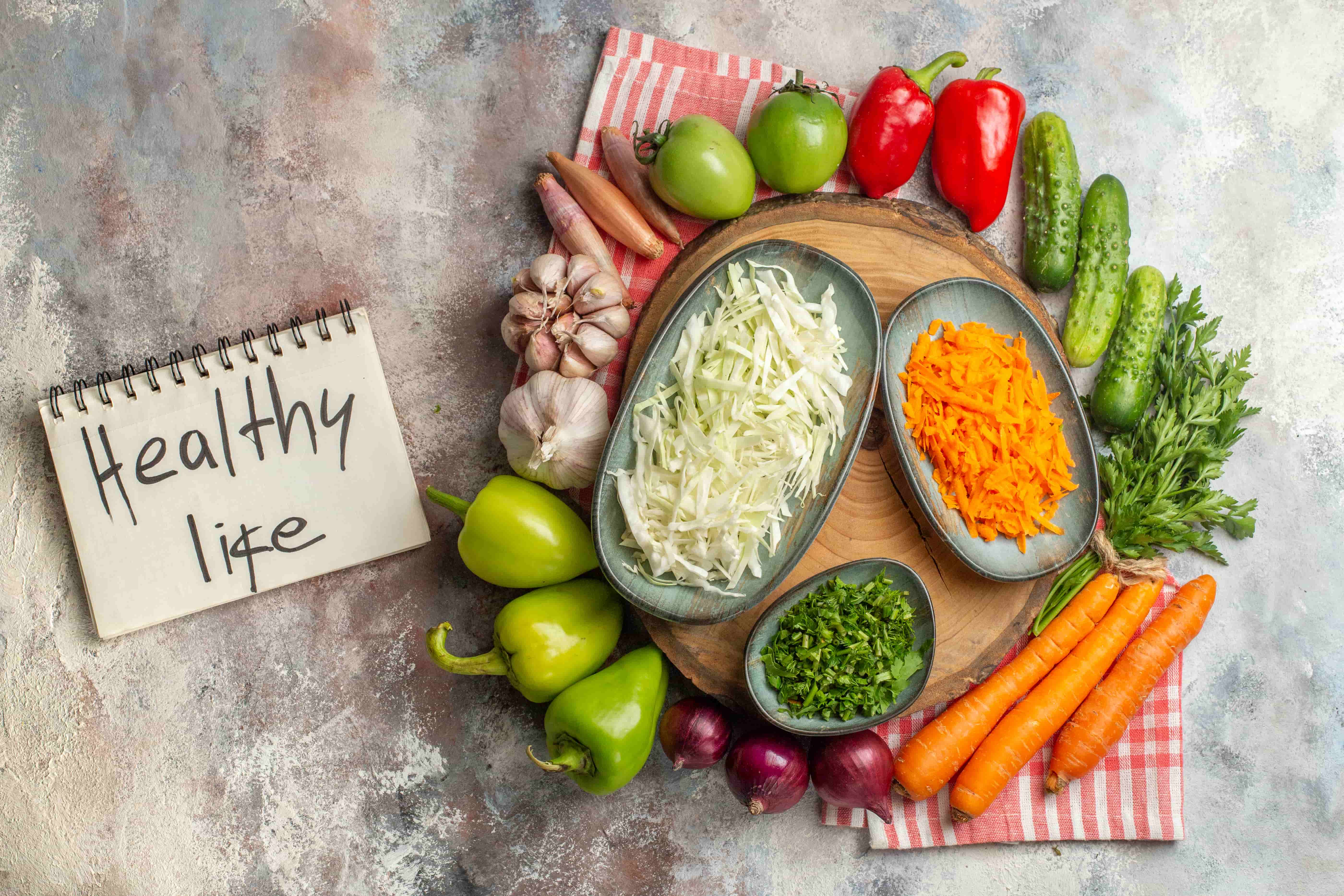
4. Fill Half Your Plate with Vegetables
Vegetables provide essential vitamins, minerals, antioxidants, and fiber. They support digestion and help reduce the risk of chronic diseases.
Benefits Include:
- Improved digestion
- Better nutrient intake
- Reduced risk of chronic diseases
5. Practice Portion Control
Healthy eating isn’t only about what you eat—it’s also about how much you eat. Large portions can lead to excess calorie consumption even when eating healthy foods.
Simple Portion Control Tips:
- Use smaller plates
- Eat slowly
- Avoid eating directly from packages
6. Choose Whole Foods Over Processed Foods
Whole foods are generally more nutrient-dense and contain fewer additives. Replacing highly processed snacks with natural alternatives can significantly improve your nutrition.
Examples:
- Fresh fruits instead of sugary snacks
- Nuts instead of chips
- Whole grains instead of refined grains
7. Don’t Skip Meals
Skipping meals can lead to overeating later in the day and may negatively impact energy levels. Consistent meal timing helps maintain stable blood sugar levels and supports healthy metabolism.
Benefits of Regular Meals:
- Stable blood sugar levels
- Improved energy
- Better appetite control
8. Include Healthy Fats
Healthy fats support brain health, hormone production, and nutrient absorption.
Healthy Fat Sources Include:
- Avocados
- Nuts and seeds
- Olive oil
- Fatty fish
9. Limit Added Sugar and Excess Salt
Excessive sugar and sodium intake can increase the risk of various health concerns. Reading nutrition labels and choosing minimally processed foods can help reduce consumption.
Instead:
- Use natural sweeteners sparingly
- Flavor foods with herbs and spices
- Choose low-sodium options when available
10. Plan Your Meals in Advance
Meal planning helps you make healthier choices and reduces the temptation to rely on fast food or unhealthy convenience meals.
Benefits of Meal Planning:
- Better portion control
- Reduced food waste
- Consistent nutrition
- Time savings during busy weeks
For working professionals, having nutritious meals readily available can make it much easier to stay committed to healthy eating goals.
Make Healthy Eating Easier Every Day
Building healthy eating habits doesn’t require drastic changes. Small, consistent actions such as drinking more water, eating balanced meals, and planning ahead can significantly improve your overall health.
If you’re looking for convenient, nutritious meal solutions designed for modern lifestyles, explore MISTA EATS. Their thoughtfully curated meal options can help busy professionals maintain healthy eating habits without sacrificing convenience.
Ready to Eat Healthier?
Visit MISTA EATS to discover nutritious meal plans designed to support your wellness goals. Whether you’re focused on weight management, fitness, or simply eating better, healthy meals can make your journey easier and more sustainable.
Conclusion
Healthy living starts with daily choices. By following these nutrition tips consistently, you can improve your energy levels, support long-term wellness, and create a healthier lifestyle. Focus on progress rather than perfection, and remember that every healthy choice adds up over time.
FAQ’s
1. What are the most important daily nutrition tips for healthy living?
The most effective daily nutrition tips include eating a balanced diet, staying hydrated, consuming enough protein, eating plenty of vegetables and fruits, and limiting processed foods and added sugars.
2. How much water should I drink every day?
While individual needs vary, most adults should aim for 8–10 glasses (about 2–3 liters) of water daily. Physical activity, climate, and health conditions may increase your hydration requirements.
3. Why is meal planning important for healthy eating?
Meal planning helps you make healthier food choices, control portions, reduce food waste, and avoid relying on unhealthy convenience foods, especially during busy workdays.
4. Can healthy eating help with weight management?
Yes. A balanced diet rich in protein, fiber, whole grains, and vegetables can help control hunger, improve metabolism, and support sustainable weight management when combined with an active lifestyle.
5. How can busy professionals maintain healthy eating habits?
Busy professionals can stay on track by preparing meals in advance, choosing nutrient-dense snacks, staying hydrated, and opting for convenient healthy meal solutions that provide balanced nutrition without the hassle of daily cooking.