
Introduction
In today’s busy lifestyle, convenience often influences our food choices. Ready-to-eat meals, packaged snacks, instant noodles, and fast food have become common in many Indian households. While these foods may save time, regular consumption can negatively impact long-term health.
The debate around fresh vs processed meals is more important than ever, especially as lifestyle diseases such as obesity, diabetes, hypertension, and heart disease continue to rise in India.
Understanding the dangers of processed food and making conscious dietary choices can significantly improve your overall health, energy levels, and quality of life.
What Are Fresh Meals?
Fresh meals are prepared using natural, minimally processed ingredients without excessive additives or preservatives.
Examples of Fresh Indian Foods
- Fresh fruits and vegetables
- Homemade dal and sabzi
- Fresh curd and buttermilk
- Whole grains like millets and brown rice
- Idli, dosa, upma, and poha made at home
- Freshly cooked fish, chicken, or paneer dishes
These foods retain their natural nutrients and support overall wellness.
What Are Processed Meals?
Processed foods are foods altered from their original state to improve shelf life, convenience, or taste.
Common Processed Foods in India
- Instant noodles
- Packaged chips and namkeens
- Bakery products
- Frozen ready-to-eat meals
- Sugary breakfast cereals
- Soft drinks and packaged juices
- Fast food and deep-fried snacks
Highly Processed Foods Often Contain:
- Excess sugar
- High sodium
- Artificial flavours
- Preservatives
- Unhealthy fats
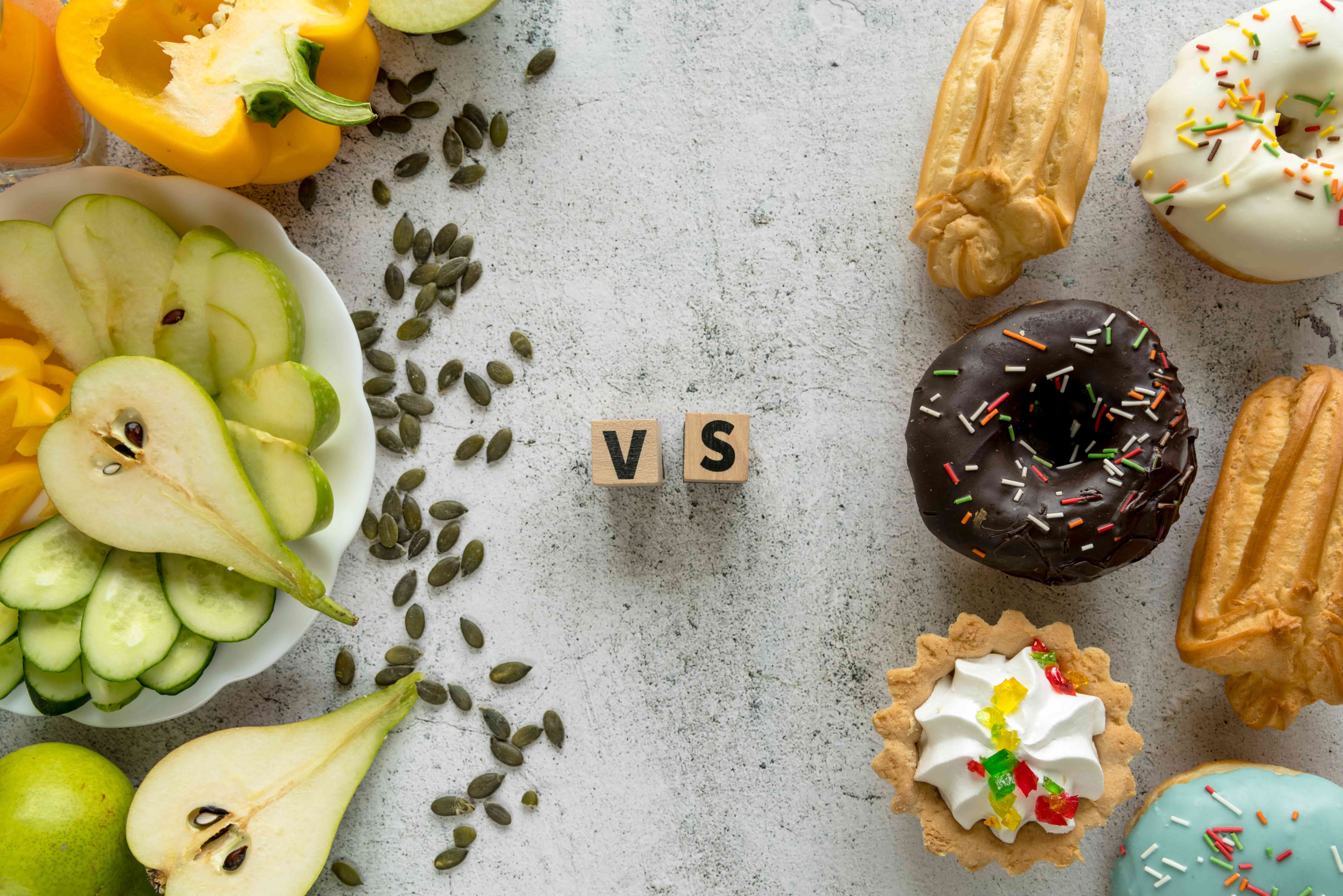
Fresh vs Processed Meals: Key Differences
| Factor | Fresh Meals | Processed Meals |
| Nutritional Value | High | Low to Moderate |
| Additives | Minimal | High |
| Fiber Content | High | Usually Low |
| Shelf Life | Short | Long |
| Health Impact | Positive | Often Harmful |
The Hidden Dangers of Processed Food
1. High Sugar Content
Many packaged foods contain hidden sugars that may contribute to:
- Weight gain
- Insulin resistance
- Type 2 diabetes
2. Excess Salt Intake
Indian packaged snacks and processed foods are often high in sodium.
Excess Sodium May Increase the Risk of:
- High blood pressure
- Water retention
- Kidney problems
3. Unhealthy Fats
Many processed foods contain trans fats and refined oils.
These May:
- Increase bad cholesterol
- Raise heart disease risk
- Promote inflammation
4. Low Nutritional Value
Processing often removes important nutrients such as:
- Fiber
- Vitamins
- Minerals
As a result, you consume calories without adequate nutrition.
5. Increased Risk of Lifestyle Diseases
Regular consumption of highly processed foods has been associated with:
- Obesity
- Diabetes
- Heart disease
- Fatty liver disease
Benefits of Choosing Fresh Meals
Better Nutrition
Fresh foods provide essential vitamins, minerals, antioxidants, and fiber.
Improved Digestion
Fiber-rich fresh foods support gut health and improve digestion.
Sustainable Weight Management
Fresh meals are generally lower in calories and more filling.
Increased Energy Levels
Fresh foods provide steady energy throughout the day without sudden sugar crashes.
Stronger Immunity
Natural foods strengthen the immune system and support overall wellness.
Why Processed Food Is So Popular
Despite the health risks, processed foods remain popular because they are:
- Convenient
- Readily available
- Easy to store
- Heavily marketed
- Often inexpensive
However, convenience should not come at the expense of long-term health.
How to Transition from Processed to Fresh Meals
Start Small
Replace one processed meal or snack each day with a fresh alternative.
Cook More at Home
Home-cooked meals allow better control over ingredients and portions.
Read Food Labels
Avoid products high in sugar, sodium, and artificial additives.
Choose Whole Foods
Examples:
- Fresh fruit instead of packaged juice
- Homemade snacks instead of chips
- Whole grains instead of refined grains
Plan Your Meals
Meal planning reduces dependence on unhealthy convenience foods.
Make Healthy Eating Easier with Mista Eats
Preparing fresh meals every day can be challenging for busy professionals and families.
Mista Eats helps simplify healthy eating by offering nutritious, balanced meals prepared using quality ingredients and designed to support wellness goals.
Why Choose Mista Eats?
- Freshly prepared meals
- Balanced nutrition
- Portion-controlled options
- Convenient meal solutions
- Supports healthy lifestyle goals
Whether your goal is weight management, fitness, or simply healthier eating habits, Mista Eats can help you stay consistent with fresh, nutritious meals.
Healthy Eating Habits to Adopt
- Eat more fruits and vegetables
- Limit ultra-processed foods
- Include protein in every meal
- Stay hydrated
- Practice portion control
- Choose homemade meals whenever possible
Conclusion
The comparison between fresh vs processed meals clearly highlights the importance of choosing fresh, nutrient-dense foods whenever possible.
While processed foods offer convenience, excessive consumption can negatively affect health over time. By prioritizing fresh foods, cooking more at home, and making mindful dietary choices, you can improve energy levels, support long-term wellness, and reduce the risk of lifestyle diseases.
The journey toward better health starts with one simple choice: choose fresh more often.
FAQ’s
1. What is the difference between fresh and processed meals?
Fresh meals are prepared using natural ingredients with minimal processing, while processed meals contain additives, preservatives, and artificial ingredients.
2. Why are processed foods harmful?
Processed foods are often high in sugar, salt, unhealthy fats, and additives, which may increase the risk of chronic diseases.
3. Can I eat processed food occasionally?
Yes. Occasional consumption is acceptable, but fresh foods should form the majority of your diet.
4. How can I reduce processed food intake?
Cook at home more frequently, read food labels, and replace packaged snacks with fresh alternatives.
5. Are all processed foods unhealthy?
No. Minimally processed foods such as frozen vegetables, curd, and plain oats can still be nutritious choices.