
Introduction
Losing weight does not require extreme dieting or skipping meals. A high-protein diet for weight loss can help you manage hunger, preserve muscle, and create a balanced eating routine that supports sustainable fat loss.
Protein is important because it helps maintain muscle tissue, supports recovery, and keeps meals satisfying. However, protein works best when combined with vegetables, high-fiber carbohydrates, healthy fats, regular movement, and an appropriate calorie intake.
How Protein Supports Weight Loss
Protein can support weight management in several ways:
- Improves fullness: Protein may help you feel satisfied for longer and reduce unnecessary snacking.
- Preserves muscle: Eating enough protein during weight loss can help protect lean muscle mass, especially when combined with resistance training.
- Supports recovery: Protein helps repair and maintain muscles after exercise.
- Requires more energy to digest: The body uses more energy to process protein than it does for carbohydrates or fats.
- Helps create balanced meals: Including protein with meals can make it easier to manage portions and maintain consistent eating habits.
Protein alone does not cause weight loss. Fat loss generally occurs when your overall calorie intake is appropriate for your body’s needs and activity level.
How Much Protein Do You Need?
Protein requirements vary according to body weight, age, activity level, health status, and weight-loss goals.
A general reference for healthy adults is approximately 0.8 grams of protein per kilogram of body weight daily. People who exercise regularly or are trying to preserve muscle during weight loss may need more, often around 1.2–1.6 grams per kilogram, depending on individual needs.
For example, a 70 kg adult may aim for approximately 84–112 grams of protein per day when following a more protein-focused weight-loss plan. This is only a general example, not a universal prescription. Anyone with kidney disease or another medical condition should consult a healthcare professional before significantly increasing protein intake.
Best High-Protein Foods for Weight Loss
Choose protein sources that also provide essential vitamins, minerals, fiber, or healthy fats.
Animal-Based Protein
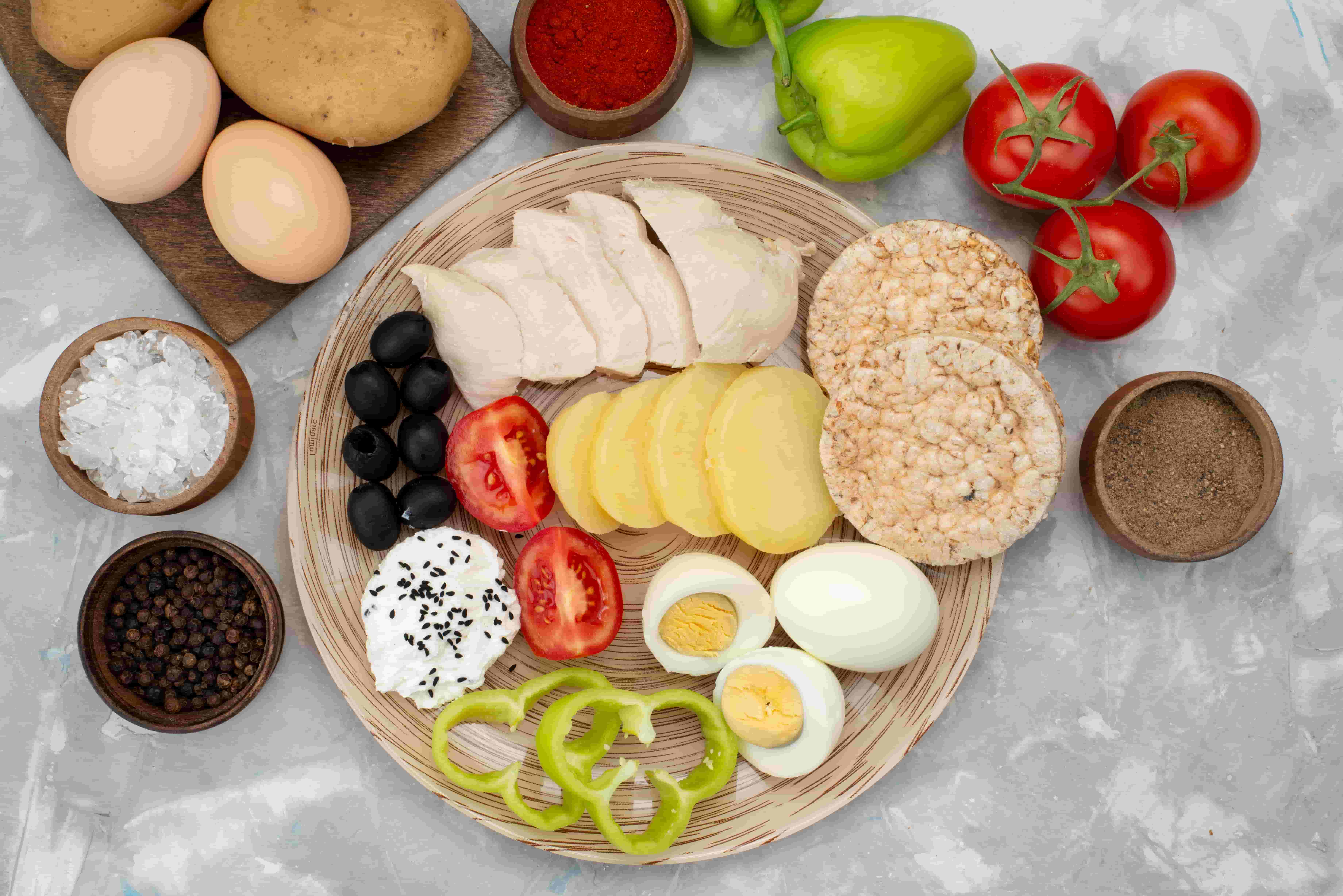
- Eggs
- Skinless chicken
- Fish and seafood
- Plain Greek yogurt
- Cottage cheese
- Turkey
- Lean cuts of meat
Fish such as salmon, sardines, and trout also provide omega-3 fatty acids that support heart and brain health.
Plant-Based Protein
- Lentils
- Chickpeas
- Beans
- Tofu
- Tempeh
- Edamame
- Quinoa
- Peas
- Nuts and seeds
Plant-based protein foods are especially useful because many also provide fiber, which supports digestion and fullness.
Simple High-Protein Meal Plan for Beginners
Breakfast
- Vegetable omelet with two eggs
- Whole-grain toast
- One serving of fresh fruit
Mid-Morning Snack
- Plain Greek yogurt
- A small portion of nuts or seeds
Lunch
- Grilled chicken, tofu, or lentils
- Brown rice or quinoa
- Mixed vegetables
- A side salad
Evening Snack
- Roasted chickpeas
- Cottage cheese
- Or a boiled egg with fruit
Dinner
- Grilled fish, beans, or tempeh
- Roasted vegetables
- A moderate serving of sweet potato or another whole-grain carbohydrate
This structure combines protein with fiber-rich carbohydrates, vegetables, and healthy fats instead of relying on protein alone.
Foods to Limit During Weight Loss
A high-protein diet can still be unhealthy if it contains excessive processed foods. Limit frequent intake of:
- Sugary drinks and sweetened coffee beverages
- Deep-fried foods
- Processed meats such as sausages and bacon
- High-sugar protein bars
- Highly salted packaged snacks
- Refined carbohydrates eaten in large portions
- Alcohol, where applicable
- High-calorie sauces and dressings
You do not need to eliminate every favorite food. The goal is to reduce foods that provide excessive calories with limited nutritional value while maintaining a flexible and sustainable routine.
Common High-Protein Diet Mistakes
Avoid these mistakes when starting:
- Eating too little overall
- Focusing only on protein while ignoring vegetables and fiber
- Depending heavily on protein powders
- Choosing processed protein foods too often
- Skipping carbohydrates completely
- Forgetting healthy fats
- Not drinking enough fluids
- Expecting rapid weight loss
- Ignoring sleep and physical activity
A balanced diet is more sustainable than an extreme high-protein plan.
Tips for Sustainable Weight Loss
To make a high-protein diet easier to maintain:
- Include a protein source at every main meal.
- Prepare protein foods in advance.
- Add vegetables to lunch and dinner.
- Choose whole grains and other high-fiber carbohydrates.
- Keep healthy snacks available.
- Read food labels for added sugar, sodium, and serving sizes.
- Combine strength training with regular walking or other activity.
- Sleep consistently.
- Track progress using energy, strength, measurements, and overall habits—not only the scale.
Making Healthy Meals More Convenient
Meal planning can become difficult when work, travel, or daily responsibilities leave little time for cooking. Freshly prepared meal services such as Mista Eats can help make balanced eating more convenient by providing ready-to-eat meals made with quality ingredients.
Convenient meals can support weight-management goals when portions, protein content, vegetables, and overall calorie intake fit your individual needs.
Conclusion
A high-protein diet for weight loss can help beginners manage hunger, maintain muscle, and build more balanced meals. The most effective approach is not to eat protein alone, but to combine protein-rich foods with vegetables, fiber, healthy fats, sufficient fluids, physical activity, and realistic portions.
Focus on gradual changes you can maintain over time. Sustainable weight loss comes from consistent habits rather than extreme restrictions.
FAQ’s
1. Is a high-protein diet effective for weight loss?
It can support weight loss by improving fullness and helping preserve muscle, especially when combined with an appropriate calorie intake and regular activity.
2. What are the best high-protein foods for beginners?
Eggs, Greek yogurt, fish, chicken, lentils, beans, tofu, tempeh, cottage cheese, and chickpeas are practical protein-rich choices.
3. Can I lose weight without exercise on a high-protein diet?
Dietary changes can lead to weight loss, but exercise—particularly strength training—can help preserve muscle, improve fitness, and support long-term results.
4. Do I need protein supplements?
Most people can meet their protein needs through food. Supplements may be useful when dietary intake is insufficient, but they are not essential for everyone.
5. Can I follow a high-protein diet long term?
A balanced protein-rich eating pattern can be followed long term when it includes varied foods and matches individual nutritional needs.