
Introduction
Fitness advice is everywhere, but many common workout and nutrition claims can create confusion. One of the most repeated myths is that you need protein powders or expensive supplements to build muscle, recover from exercise, or improve fitness.
The truth is that most healthy adults can meet their protein needs through a balanced diet. Learning how to build high-protein meals without supplements can support muscle maintenance, recovery, energy, and healthy weight management.
Why Protein Matters for Fitness
Protein is essential for repairing muscle tissue, maintaining lean body mass, and supporting recovery after exercise. It also helps meals feel more satisfying, which can make it easier to manage hunger and maintain a balanced calorie intake.
A fitness-focused diet should not contain protein alone. Your body also needs:
- Complex carbohydrates for exercise energy
- Healthy fats for hormone and cell function
- Fiber for digestive health
- Vitamins and minerals for overall wellness
- Adequate fluids for hydration
Fitness Myth: You Need Supplements to Get Enough Protein
Reality
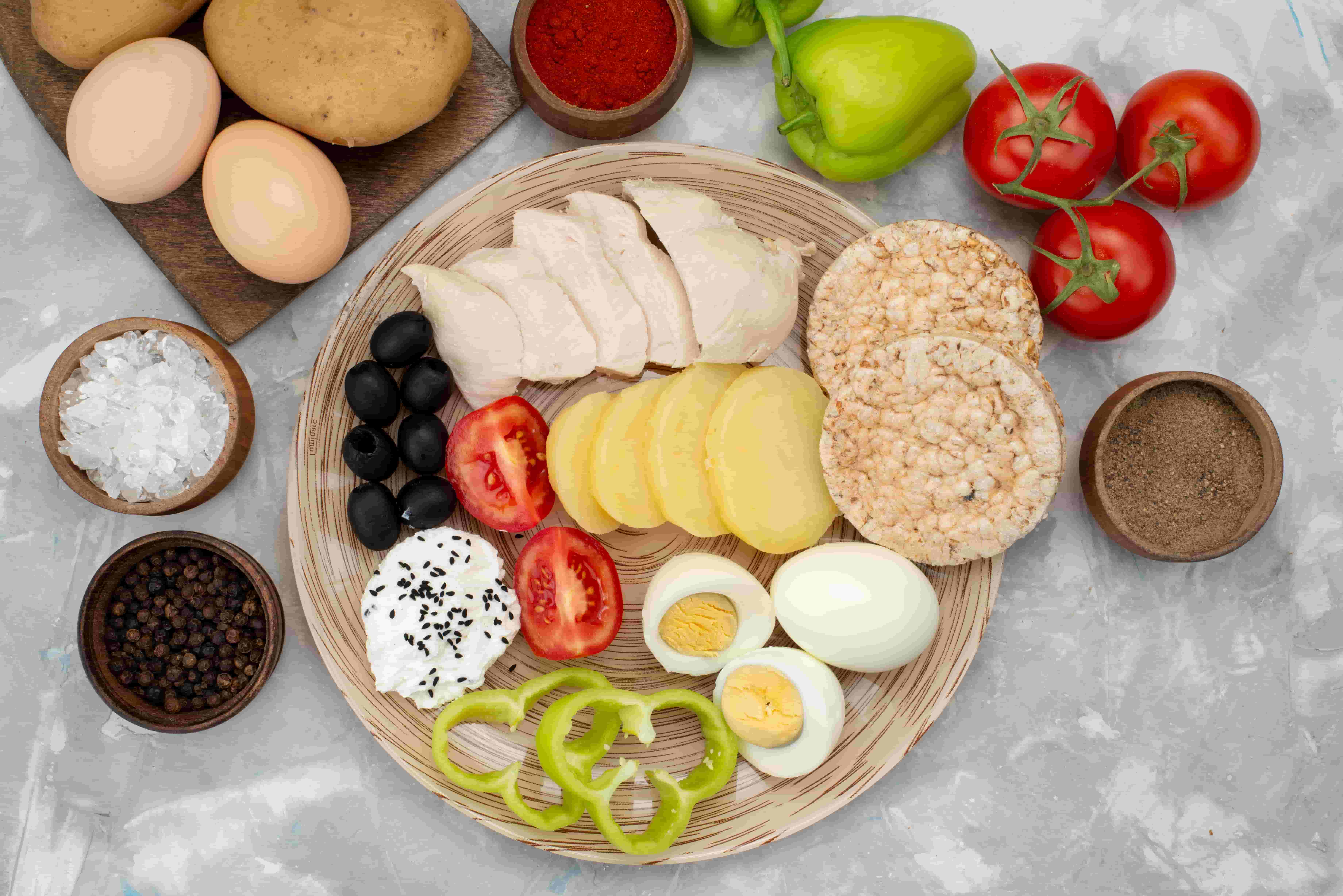
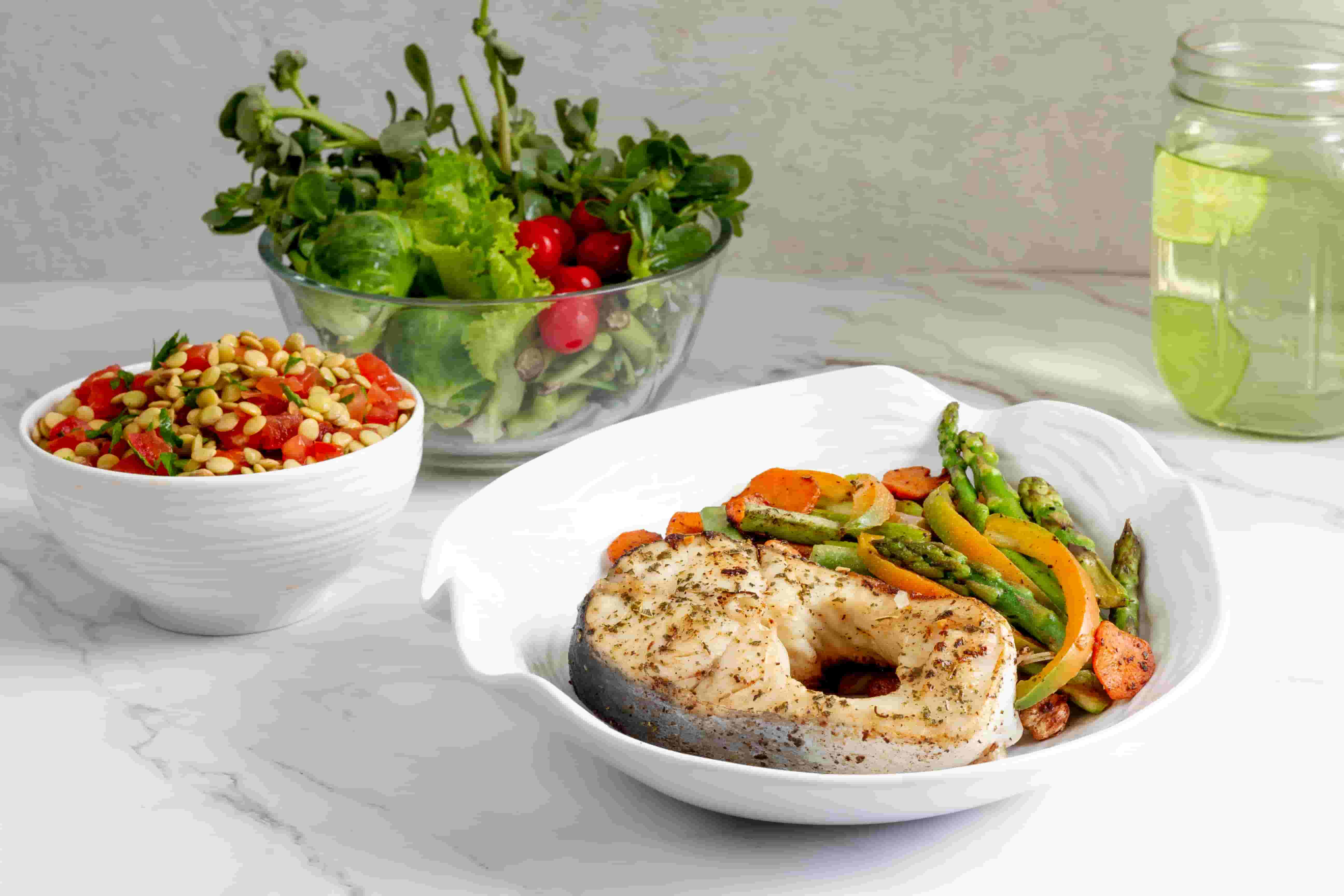
Protein powders can be convenient, but they are not essential for everyone. Eggs, dairy products, fish, poultry, soy foods, beans, lentils, and other whole foods can provide substantial amounts of protein.
Whole foods also offer additional nutrients such as iron, calcium, omega-3 fatty acids, fiber, and antioxidants that many supplements do not provide.
How to Build a High-Protein Meal
A simple high-protein meal can be created using four components:
1. Choose a Protein Source
Select one main protein food, such as:
- Eggs
- Chicken
- Fish
- Greek yogurt
- Cottage cheese
- Tofu
- Tempeh
- Lentils
- Chickpeas
- Beans
- Edamame
Aim to include a meaningful protein source in each main meal rather than consuming most of your protein at only one time of day.
2. Add High-Fiber Carbohydrates
Carbohydrates provide energy for workouts and daily activity. Choose options such as:
- Oats
- Brown rice
- Quinoa
- Whole-wheat bread
- Whole-grain pasta
- Sweet potatoes
- Barley
- Fruit
Combining protein with high-fiber carbohydrates can support fullness, digestion, and exercise performance.
3. Include Colorful Vegetables
Vegetables provide fiber, potassium, folate, vitamin C, and other nutrients that support overall health and recovery.
Try adding:
- Spinach
- Broccoli
- Bell peppers
- Carrots
- Tomatoes
- Green beans
- Kale
- Cauliflower
A colorful plate usually provides a wider variety of beneficial nutrients.
4. Add a Source of Healthy Fat
Healthy fats help support cell function and improve the overall nutritional quality of meals. Suitable choices include:
- Avocado
- Olive oil
- Walnuts
- Almonds
- Chia seeds
- Flaxseeds
- Pumpkin seeds
Use moderate portions because fats are calorie-dense.
Easy High-Protein Meal Ideas Without Supplements
Breakfast
- Vegetable omelet with whole-grain toast
- Greek yogurt with oats, berries, and chia seeds
- Cottage cheese with fruit and nuts
- Tofu scramble with vegetables
Lunch
- Grilled chicken, quinoa, and roasted vegetables
- Lentil and brown rice bowl with salad
- Tuna or chickpea sandwich with leafy greens
- Tofu stir-fry with whole-grain rice
Dinner
- Baked fish with sweet potato and broccoli
- Bean chili with quinoa
- Chicken and vegetable soup with whole-grain bread
- Tempeh, brown rice, and mixed vegetables
Snacks
- Boiled eggs
- Plain Greek yogurt
- Roasted chickpeas
- Edamame
- Cottage cheese
- Nuts with fruit
Fitness Myth: More Protein Always Means Better Results
Reality
Eating excessive protein does not automatically lead to more muscle or faster fat loss. Results depend on total nutrition, training quality, sleep, recovery, and consistency.
A general protein reference for healthy adults is around 0.8 grams per kilogram of body weight daily. Active individuals may need more, often approximately 1.2–1.6 grams per kilogram, depending on training, goals, and health status.
People with kidney disease or other medical conditions should seek professional advice before significantly increasing protein intake.
Other Fitness Myths to Avoid
More Sweat Means More Fat Loss
Sweating mainly helps regulate body temperature. It reflects fluid loss, not necessarily fat loss.
No Pain Means No Progress
Muscle soreness is not required for an effective workout. Consistent progress, improved strength, and better movement are more useful indicators.
Spot Reduction Burns Belly Fat
Crunches strengthen abdominal muscles, but they do not specifically remove belly fat. Overall fat loss depends on nutrition, activity, and individual factors.
You Must Exercise Every Day
Rest and recovery are essential. A balanced routine can include strength training, cardio, walking, mobility work, and recovery days.
Make Fitness Nutrition More Convenient
Preparing balanced meals can be difficult during busy weeks. Freshly prepared meal services such as Mista Eats can make nutritious eating easier by providing convenient meals made with quality ingredients.
Whether your goal is muscle maintenance, improved fitness, or weight management, convenient meals can help you maintain consistency when cooking every day is not practical.
Conclusion
You do not need protein supplements to build nutritious, high-protein meals. By combining natural protein sources with whole grains, vegetables, healthy fats, and fruit, you can support muscle recovery, energy, and long-term fitness goals.
Focus on balanced meals, progressive training, sufficient sleep, and sustainable habits rather than extreme fitness claims. Consistency – not shortcuts – is the foundation of lasting results.
FAQ’s
1. Can I build muscle without protein supplements?
Yes. Muscle growth and maintenance are possible through adequate protein from foods, progressive resistance training, sufficient calories, and proper recovery.
2. What are the best natural protein sources?
Eggs, fish, chicken, Greek yogurt, cottage cheese, tofu, tempeh, lentils, beans, chickpeas, and edamame are excellent options.
3. How do I make a meal high in protein?
Choose a protein source, add high-fiber carbohydrates, include vegetables, and finish with a moderate amount of healthy fat.
4. Is eating more protein always better for fitness?
No. Protein needs vary, and excessive intake does not guarantee better results. Overall diet, training, sleep, and recovery also matter.
5. Are protein powders necessary for beginners?
No. Most beginners can meet their protein needs through balanced meals. Supplements may be useful for convenience when food intake is insufficient, but they are not mandatory.