
Introduction
Losing weight doesn’t require crash diets or giving up your favorite foods. The secret lies in building healthy eating habits that are easy to maintain over time. By making smarter food choices and following balanced nutrition principles, you can achieve sustainable weight loss while improving your overall health.
In this guide, we’ll share practical weight loss nutrition tips that help you eat better, stay energized, and create long-term healthy habits.
Why Nutrition Matters More Than Dieting
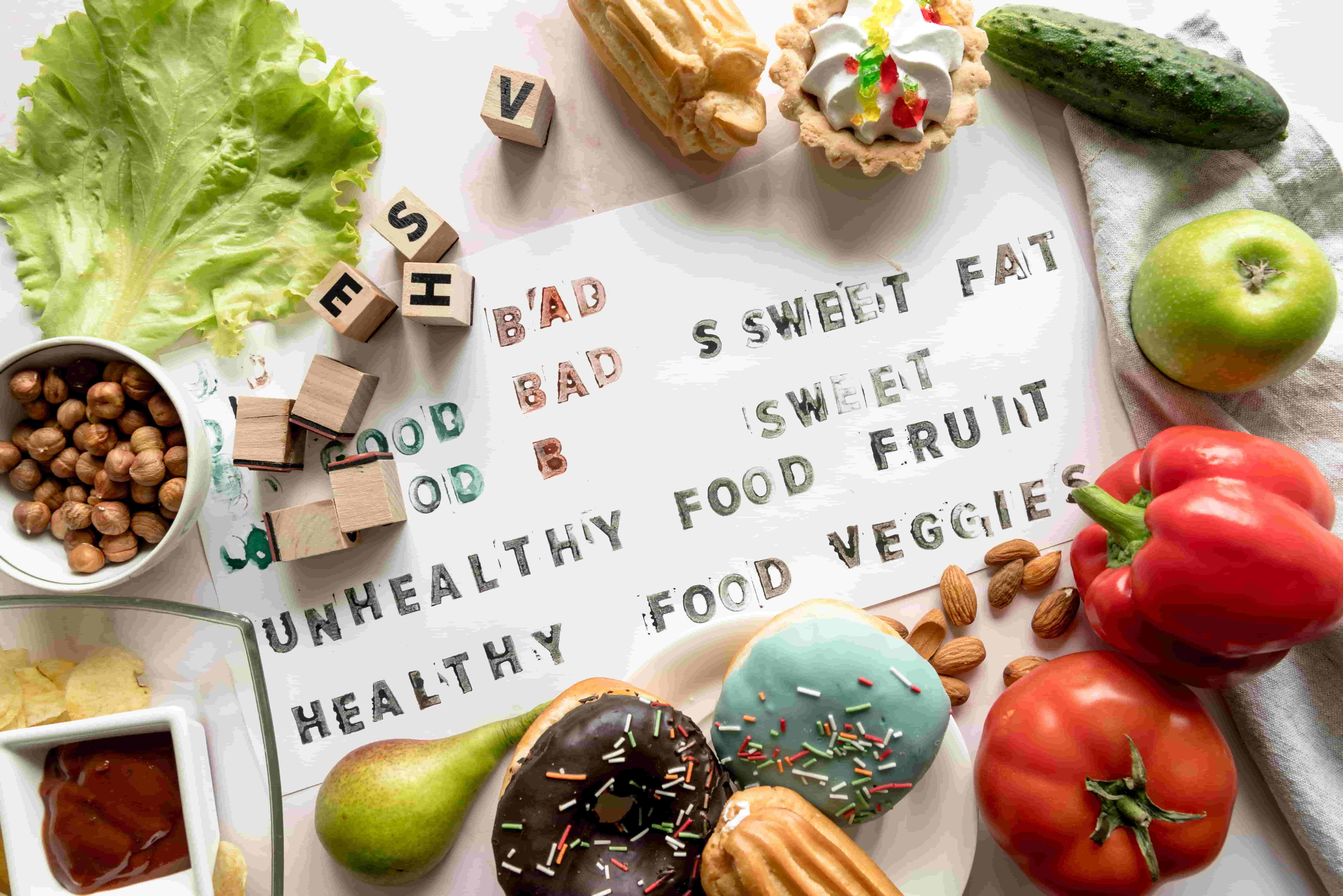
Many people focus only on reducing calories, but nutrition quality is equally important. A balanced diet provides your body with essential vitamins, minerals, fiber, and protein while helping you manage hunger and maintain muscle mass during weight loss.
Healthy eating offers benefits such as:
- Better metabolism
- Improved digestion
- Stable energy levels
- Reduced cravings
- Better blood sugar control
- Sustainable weight management
Instead of following restrictive diets, focus on nourishing your body with wholesome foods.
10 Healthy Eating Tips for Weight Loss
1. Prioritize Protein in Every Meal
Protein helps you stay full longer and supports muscle maintenance during weight loss.
Good protein sources include:
- Eggs
- Chicken
- Fish
- Paneer
- Greek yogurt
- Lentils
- Chickpeas
- Tofu
Aim to include protein with breakfast, lunch, dinner, and snacks.
2. Fill Half Your Plate with Vegetables
Vegetables are naturally low in calories and rich in fiber, helping you eat larger portions while consuming fewer calories.
Choose colorful vegetables like:
- Broccoli
- Spinach
- Bell peppers
- Carrots
- Cucumber
- Cauliflower
The more variety you eat, the more nutrients you get.
3. Choose Whole Grains Instead of Refined Carbs
Replace refined carbohydrates with whole grains that digest more slowly and keep you full longer.
Better choices include:
- Brown rice
- Oats
- Quinoa
- Whole wheat roti
- Millets
These foods provide fiber and help reduce hunger between meals.
4. Practice Portion Control
Even healthy foods can contribute to weight gain if consumed in large quantities.
Simple portion tips:
- Use smaller plates.
- Eat slowly.
- Stop eating when you’re comfortably full.
- Avoid eating directly from large packages.
Mindful eating helps prevent overeating.
5. Stay Hydrated Throughout the Day
Sometimes thirst is mistaken for hunger.
Drink adequate water by:
- Starting your day with a glass of water
- Drinking before meals
- Carrying a reusable water bottle
- Limiting sugary beverages
Proper hydration also supports digestion and metabolism.
6. Limit Added Sugar
Sugary drinks, desserts, and processed snacks often contain empty calories.
Instead, satisfy sweet cravings with:
- Fresh fruits
- Unsweetened yogurt
- Nuts with berries
- Dark chocolate in moderation
Reducing added sugar can significantly improve weight-loss progress.
7. Include Healthy Fats
Healthy fats improve satiety and support hormone balance.
Choose:
- Avocados
- Nuts
- Seeds
- Olive oil
- Fatty fish
Balance is key, as fats are calorie-dense.
8. Plan Meals Ahead
Meal planning reduces unhealthy food choices and saves time during busy weekdays.
Weekly meal planning helps you:
- Shop smarter
- Reduce food waste
- Control portions
- Stay consistent with nutrition goals
Preparing meals in advance makes healthy eating much easier.
9. Avoid Skipping Meals
Skipping meals often leads to overeating later.
Instead:
- Eat regular meals
- Include healthy snacks if needed
- Maintain consistent meal timing
Balanced eating throughout the day supports steady energy levels.
10. Focus on Long-Term Habits
Successful weight loss comes from consistency rather than perfection.
Build habits like:
- Cooking more meals at home
- Reading nutrition labels
- Eating mindfully
- Sleeping well
- Staying physically active
Small improvements every day create lasting results.
Sample Healthy Weight Loss Meal Plan
Breakfast
Greek yogurt with berries and oats.
Mid-Morning Snack
Apple with almonds.
Lunch
Grilled chicken or paneer, brown rice, and mixed vegetables.
Evening Snack
Roasted chickpeas or sprouts.
Dinner
Vegetable stir-fry with tofu or grilled fish.
Hydration
8–10 glasses of water throughout the day.
Common Nutrition Mistakes to Avoid
Many people unknowingly slow their progress by making these mistakes:
- Skipping breakfast
- Drinking sugary beverages
- Eating too little protein
- Ignoring portion sizes
- Eating while distracted
- Following extreme diets
- Not planning meals
- Depending heavily on processed “diet” foods
Avoiding these habits can help you achieve more consistent results.
Make Healthy Eating Easier with Mista Eats
Healthy eating becomes much easier when nutritious meals are already planned and prepared for you.
Want to save time while staying on track with your weight-loss goals?
Mista Eats – Fresh, Healthy Meals Delivered offers balanced, portion-controlled meals prepared with fresh ingredients to support healthier eating habits. Whether you’re managing calories, increasing protein intake, or simply looking for convenient healthy meals, Mista Eats makes nutritious eating effortless.
Conclusion
Weight loss doesn’t have to be complicated. By following practical weight loss nutrition tips, choosing wholesome foods, practicing portion control, and staying consistent, you can build healthy eating habits that support sustainable results.
Remember, lasting weight loss is about creating a lifestyle you can enjoy—not following temporary diets. Focus on gradual improvements, nourish your body with balanced meals, and celebrate every step toward better health.
FAQ’s
1. What is the best nutrition strategy for weight loss?
Focus on eating balanced meals rich in protein, fiber, whole grains, healthy fats, and vegetables while maintaining a moderate calorie deficit.
2. How much protein should I eat for weight loss?
Protein needs vary by individual, but including a good source of protein in every meal helps improve fullness and preserve muscle during weight loss.
3. Can I lose weight without giving up carbohydrates?
Yes. Choose complex carbohydrates like oats, brown rice, whole wheat, and millets instead of refined carbs.
4. How important is meal planning for weight loss?
Meal planning helps reduce unhealthy food choices, supports portion control, and improves consistency with healthy eating habits.
5. Is healthy meal delivery helpful for weight loss?
Yes. Portion-controlled, nutritionally balanced meal delivery services can make it easier to stick to healthy eating goals, especially for busy professionals.