
Introduction
Achieving your weight loss goals starts with the right nutrition. A well-balanced weight loss meal plan helps manage calories, improve energy levels, and build healthier eating habits without restrictive dieting. Whether you’re a busy professional, student, or fitness enthusiast, following a structured meal plan can make healthy eating simple, enjoyable, and sustainable.
Why Meal Planning Matters for Weight Loss
Many people struggle with weight loss because of inconsistent eating habits, skipped meals, unhealthy snacking, and ordering high-calorie foods. Planning meals in advance removes the guesswork and makes healthy eating easier.
Benefits include:
- Better calorie control
- Reduced unhealthy cravings
- Improved energy throughout the day
- Better portion management
- Muscle preservation during fat loss
- Consistent healthy eating habits
Meal planning also reduces impulse eating, saves time, and makes sticking to your nutrition goals much easier.
What Makes an Effective Weight Loss Diet Plan?
A successful weight loss diet plan focuses on nutrient-dense foods rather than simply eating less.
Lean Protein
Protein keeps you full longer and helps preserve muscle during weight loss.
Best sources include:
- Chicken breast
- Fish
- Eggs
- Paneer
- Tofu
- Lentils
- Greek yogurt
Complex Carbohydrates
Healthy carbohydrates provide lasting energy and improve digestion.
Choose foods like:
- Brown rice
- Oats
- Quinoa
- Millets
- Sweet potatoes
- Whole wheat bread
- Whole grain rotis
Healthy Fats
Healthy fats improve hormone balance and help control hunger.
Include:
- Almonds
- Walnuts
- Seeds
- Olive oil
- Avocados
- Natural peanut butter
Fiber-Rich Vegetables
Vegetables are naturally low in calories and high in nutrients.
Aim to fill half your plate with vegetables such as:
- Broccoli
- Spinach
- Carrots
- Bell peppers
- Cucumbers
- Beans
- Cauliflower
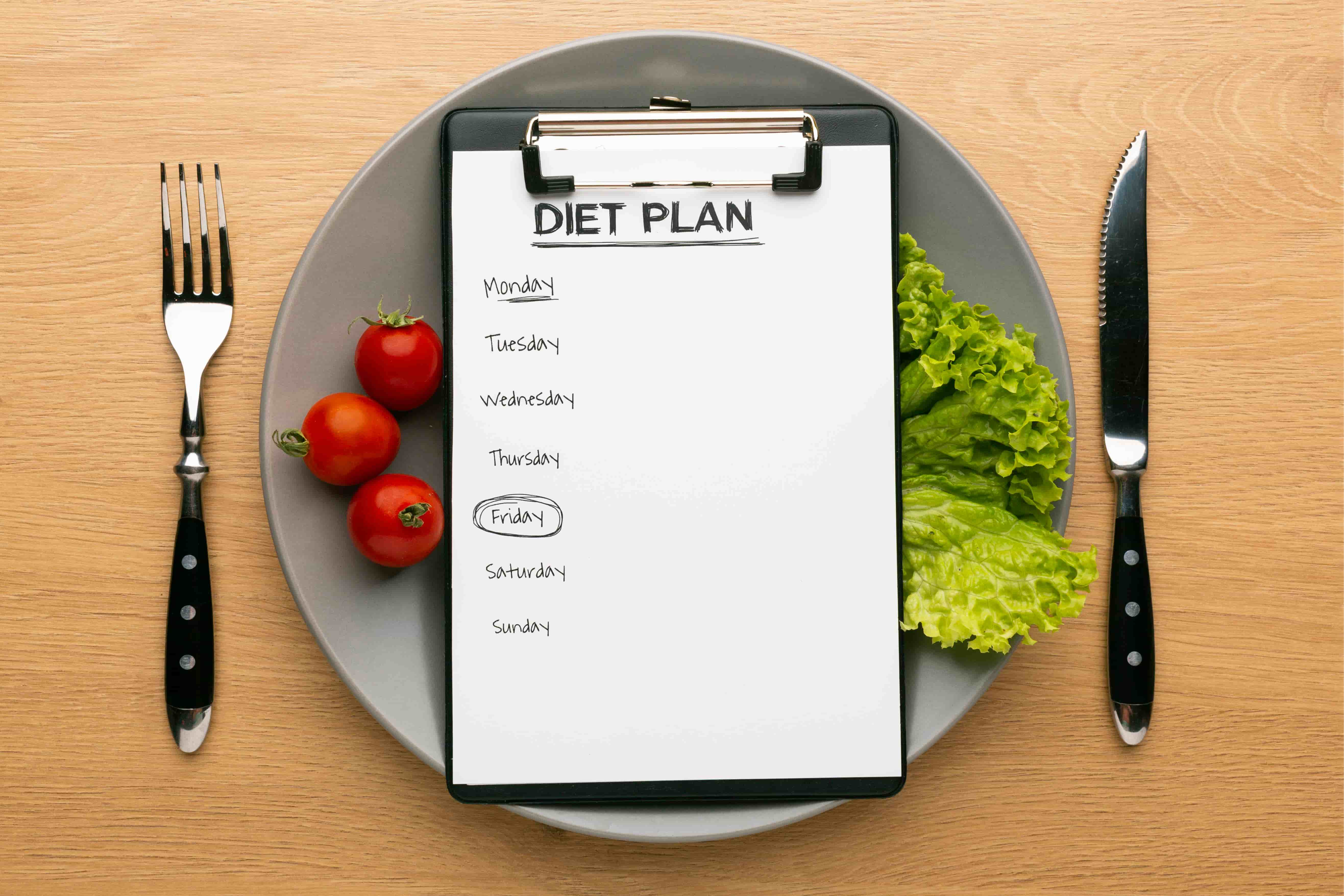
Sample Weight Loss Meal Plan
Breakfast
- Vegetable oats
- Boiled eggs or paneer scramble
- Green tea
Mid-Morning Snack
- Fresh fruit
- Handful of almonds
Lunch
- Grilled chicken, tofu, or paneer
- Brown rice or millet
- Mixed vegetable salad
Evening Snack
- Roasted chickpeas
- Buttermilk or yogurt
Dinner
- Grilled protein
- Sautéed vegetables
- Small serving of whole grains
This balanced meal structure helps maintain energy levels while promoting healthy fat loss.
Common Mistakes That Slow Weight Loss
Avoid these common mistakes:
- Skipping breakfast
- Drinking sugary beverages
- Following crash diets
- Eating oversized portions
- Late-night overeating
- Eating too little protein
- Depending on processed “diet foods”
Consistency always delivers better results than extreme dieting.
Healthy Eating for Busy Lifestyles
Busy schedules often lead to unhealthy eating habits. Long workdays, meetings, travel, and stress make fast food an easy choice.
Following a structured meal plan—or choosing healthy, portion-controlled prepared meals—helps maintain consistency while saving time. It also ensures you receive balanced nutrition without spending hours cooking every day.
How Personalized Nutrition Improves Weight Loss
Every person has different calorie requirements, activity levels, body composition, and health goals.
Personalized meal plans can help:
- Improve fat loss
- Increase energy
- Support digestion
- Enhance workout recovery
- Build sustainable eating habits
- Reduce unnecessary calorie intake
Customized nutrition often produces better long-term results than generic diet plans.
The Future of Healthy Weight Management
Modern weight management focuses on building healthy habits instead of quick fixes.
Long-term success comes from:
- Balanced nutrition
- Regular exercise
- Quality sleep
- Hydration
- Stress management
- Consistency
Small daily improvements create lasting results over time.
Conclusion
The right weight loss meal plan doesn’t have to be restrictive or difficult to follow. A balanced approach that emphasizes nutritious foods, portion control, and consistency helps you achieve sustainable weight loss while maintaining a healthy relationship with food.
Whether you’re starting your fitness journey or looking to overcome a weight-loss plateau, focusing on nutrient-rich meals and realistic lifestyle changes will produce better long-term results than any fad diet.
Ready to Simplify Your Weight Loss Journey?
Healthy eating becomes easier when nutritious meals are already planned for you.
MISTA EATS offers fresh, balanced, portion-controlled meals designed to support healthy eating, weight management, and busy lifestyles. Enjoy delicious meals while staying consistent with your nutrition goals and building healthier habits every day.
FAQ’s
1. What is the best weight loss meal plan?
The best plan includes lean protein, whole grains, healthy fats, vegetables, and appropriate portion sizes based on your calorie needs.
2. How many meals should I eat daily for weight loss?
Most people benefit from three balanced meals and one or two healthy snacks to maintain energy and reduce cravings.
3. Can meal planning help reduce belly fat?
Meal planning helps maintain a calorie deficit and encourages consistent healthy eating, which supports overall fat loss, including abdominal fat.
4. Are high-protein diets good for weight loss?
Yes. Protein increases satiety, helps preserve lean muscle, and supports healthy weight loss when combined with balanced nutrition.
5. Can healthy meal delivery help with weight loss?
Yes. Portion-controlled, nutritionally balanced meal delivery services can help maintain consistency, reduce overeating, and save time while supporting weight loss goals.