

Introduction
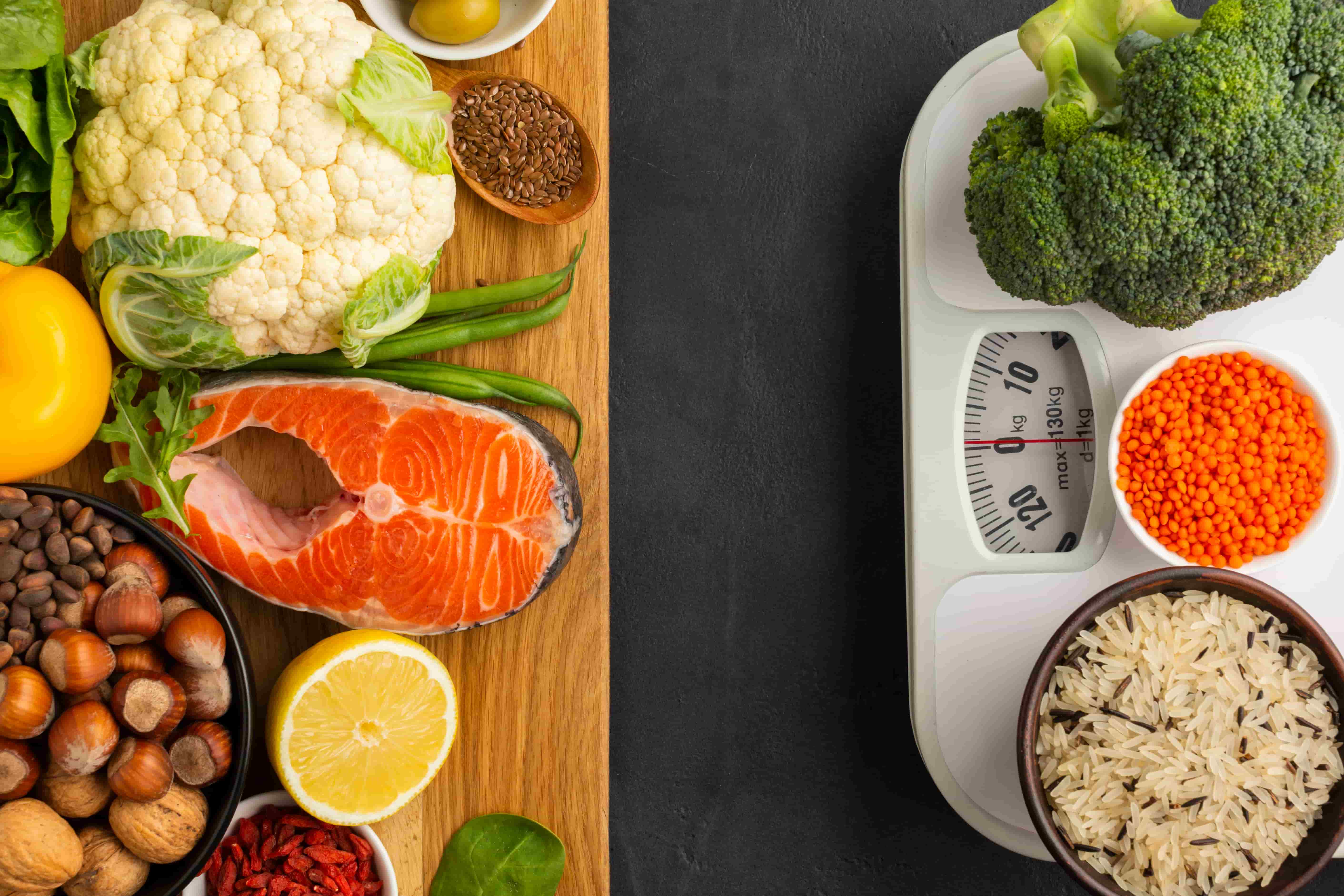
Fitness isn’t built through exercise alone. Your workouts provide the stimulus for improving strength, endurance, mobility, and body composition, while nutrition provides the fuel and nutrients your body needs to perform and recover.
Whether you’re strength training, running, cycling, practicing yoga, playing sports, or simply staying active, your eating habits can influence your energy, recovery, muscle health, and overall fitness.
Understanding the role of nutrition in fitness performance can help you make better food choices and build a fitness routine that is sustainable for the long term.
Why Nutrition Matters for Fitness
Your body needs sufficient energy and nutrients to perform physical activity effectively. Inadequate or unbalanced nutrition can contribute to fatigue, poor recovery, and reduced workout performance.
A balanced diet can help:
- Fuel workouts
- Support muscle growth and repair
- Improve endurance
- Support strength development
- Promote recovery
- Maintain healthy body composition
- Support immune function
- Improve overall health
Exercise and nutrition work together. A consistent training routine becomes much more effective when supported by adequate nutrition.
The Three Essential Macronutrients for Fitness
1. Carbohydrates: Fuel for Exercise
Carbohydrates are an important source of energy, particularly during moderate- and high-intensity exercise.
Good sources include:
- Oats
- Brown rice
- Whole grains
- Millets
- Sweet potatoes
- Fruits
- Whole-grain bread
Choosing mostly high-fiber carbohydrate sources can provide sustained energy and valuable nutrients.
2. Protein: Essential for Muscle Recovery
Protein provides amino acids that your body uses to repair and maintain muscle tissue.
Good protein sources include:
- Eggs
- Chicken
- Fish
- Paneer
- Greek yogurt
- Lentils
- Chickpeas
- Beans
- Tofu
Including protein throughout the day can help support muscle recovery and maintenance, particularly when combined with resistance training.
3. Healthy Fats: Supporting Overall Health
Dietary fats are important for hormone production, cell function, brain health, and absorption of certain vitamins.
Nutritious sources include:
- Nuts
- Seeds
- Avocados
- Olive oil
- Fatty fish
Because fats are energy-dense, balanced portions are important.
Pre-Workout Nutrition
What you eat before exercise can influence your energy and training experience.
A pre-workout meal or snack can combine carbohydrates with moderate amounts of protein.
Examples include:
- Oatmeal with banana
- Yogurt with fruit
- Whole-grain toast with peanut butter
- Banana with a small serving of nuts
- A fruit and yogurt smoothie
The ideal timing depends on the meal size and your individual tolerance. Some people prefer a full meal a few hours before exercise, while a smaller snack may work better closer to a workout.
Post-Workout Nutrition
Recovery nutrition helps your body replenish energy stores and repair muscle tissue after exercise.
A balanced post-workout meal can include:
- Protein for muscle repair
- Carbohydrates to replenish energy stores
- Fluids for rehydration
Examples include grilled chicken with brown rice and vegetables, paneer with whole grains and vegetables, or yogurt with fruit and oats.
You don’t need a complicated post-workout routine. Consistently eating balanced meals throughout the day is more important than relying on a single “perfect” recovery meal.
Hydration and Fitness Performance
Hydration is an essential part of fitness nutrition. Losing fluids through sweat can affect physical performance, particularly during longer or more intense workouts.
Helpful habits include:
- Drinking water regularly throughout the day
- Starting workouts adequately hydrated
- Drinking during longer exercise sessions
- Replacing fluids after exercise
- Considering electrolytes during prolonged or very sweaty activities when appropriate
Fluid requirements vary based on activity, climate, body size, and individual needs.
Micronutrients Matter Too
Macronutrients receive much of the attention in fitness, but vitamins and minerals are also essential for normal body function and physical performance.
Important nutrients include:
- Iron: Involved in oxygen transport
- Calcium: Supports bones and muscle function
- Vitamin D: Important for bone and muscle health
- Magnesium: Involved in muscle and nerve function
- Potassium: Supports fluid balance and muscle function
- Zinc: Supports immune function and normal metabolism
Eating a varied diet containing vegetables, fruits, whole grains, legumes, dairy or alternatives, nuts, seeds, and quality protein sources can help provide a broad range of micronutrients.
How Nutrition Supports Different Fitness Goals
Nutrition requirements can vary depending on what you’re trying to achieve.
For Strength and Muscle Development
Prioritize adequate protein, sufficient energy, carbohydrates for training, and consistent meals to support recovery.
For Endurance
Carbohydrates become particularly important because they help provide energy for longer training sessions.
For General Fitness
Focus on balanced meals, adequate protein, a variety of vegetables and fruits, whole grains, healthy fats, and sufficient hydration.
For Body Composition Goals
Nutrition should support your activity level while providing enough protein and essential nutrients to maintain overall health.
Common Nutrition Mistakes That Affect Fitness
Even people who exercise regularly can make nutrition mistakes.
Common examples include:
- Skipping meals frequently
- Eating too little protein
- Not consuming enough overall energy
- Relying heavily on processed snacks
- Neglecting hydration
- Avoiding carbohydrates unnecessarily
- Following restrictive diet trends
- Depending entirely on supplements
- Ignoring recovery nutrition
A sustainable nutrition plan should support your training rather than make it harder to maintain.
Meal Planning for Better Fitness
Meal planning can make healthy nutrition easier, particularly when your schedule is busy.
Planning meals in advance can help you:
- Maintain consistent protein intake
- Prepare balanced meals
- Control portions
- Reduce impulsive food choices
- Save preparation time
- Stay consistent with fitness goals
You don’t need to prepare every meal for an entire week. Even preparing a few protein sources, grains, vegetables, and healthy snacks ahead of time can make a significant difference.
For people with demanding schedules, MISTA EATS provides freshly prepared, balanced meals that can make nutritious eating more convenient. Having ready-to-eat meal options available can help reduce reliance on last-minute food choices while supporting consistent nutrition alongside an active lifestyle.
Simple Nutrition Habits for Better Fitness
Start with these practical habits:
- Include protein in your main meals
- Choose high-fiber carbohydrates
- Eat a variety of vegetables and fruits
- Stay hydrated throughout the day
- Plan meals around your training schedule
- Prioritize whole and minimally processed foods
- Eat enough to support your activity level
- Give your body adequate time to recover
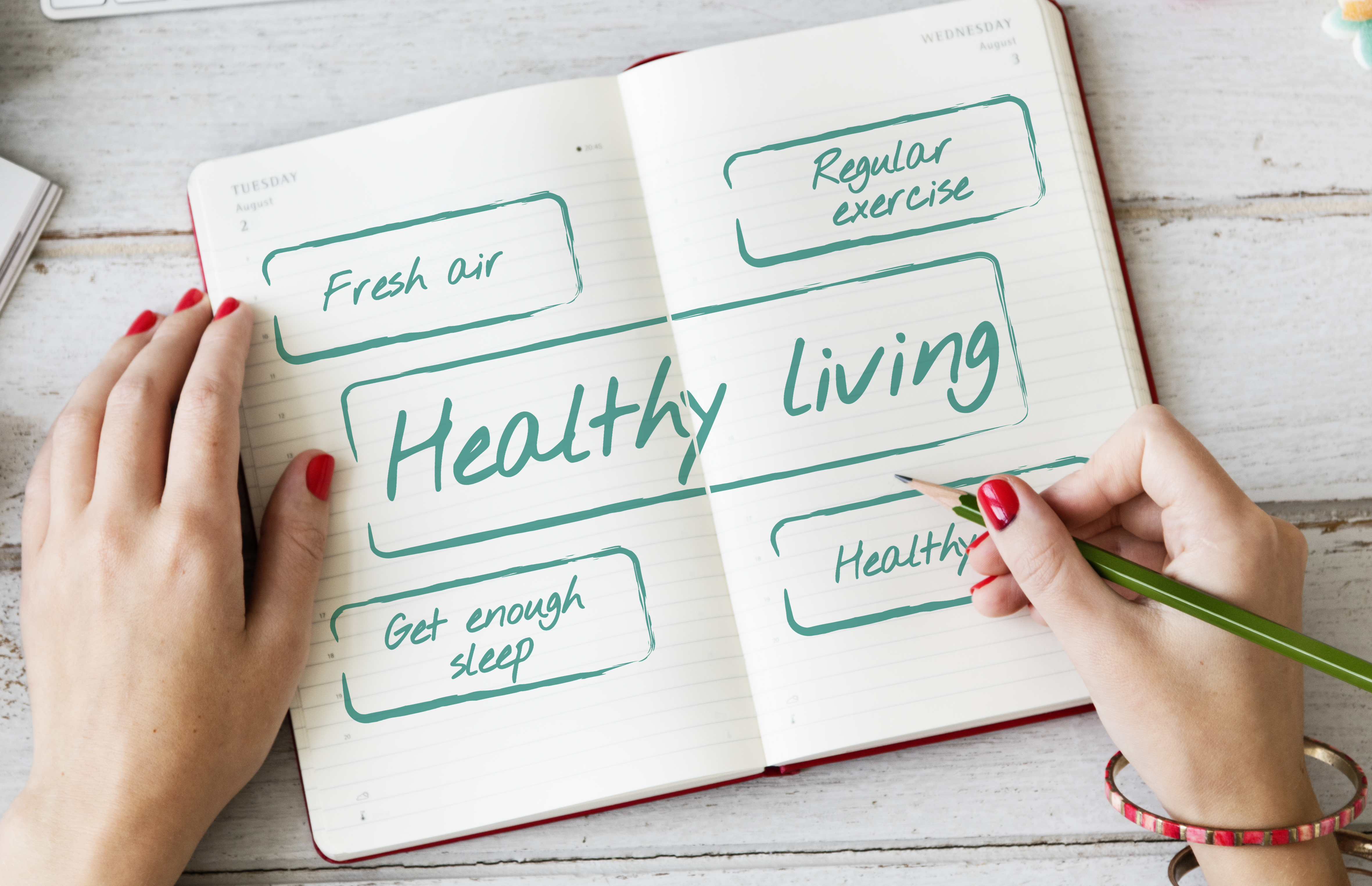
- Combine nutrition with quality sleep and regular exercise
You don’t need to change everything at once. Consistency is more valuable than perfection.
Conclusion
The role of nutrition in fitness performance goes far beyond counting calories or increasing protein. Your body needs carbohydrates for energy, protein for muscle repair, healthy fats for essential functions, micronutrients for overall health, and fluids for proper hydration.
The best approach is to combine balanced nutrition with a consistent exercise routine and adequate recovery. Whether your goal is strength, endurance, muscle development, or general fitness, the food you eat can help you train better and recover more effectively.
Build your nutrition around your individual needs, stay consistent, and focus on sustainable habits that support your fitness journey for the long term.
FAQ’s
1. Why is nutrition important for fitness performance?
Nutrition provides the energy and nutrients your body needs for exercise, muscle recovery, endurance, and overall physical performance.
2. What should I eat before a workout?
A combination of carbohydrates and moderate protein can provide useful pre-workout fuel. Examples include oatmeal with fruit, yogurt with fruit, or whole-grain toast with peanut butter.
3. What should I eat after exercise?
A balanced meal containing protein and carbohydrates can support muscle recovery and replenish energy stores. Examples include chicken with brown rice and vegetables or paneer with whole grains and vegetables.
4. Is protein important for fitness?
Yes. Protein provides amino acids needed for muscle repair and maintenance and is particularly important for people who regularly perform resistance or strength training.
5. Does hydration affect fitness performance?
Yes. Adequate hydration supports normal physical performance and helps regulate body temperature and fluid balance, particularly during exercise and periods of increased sweating.