

Introduction
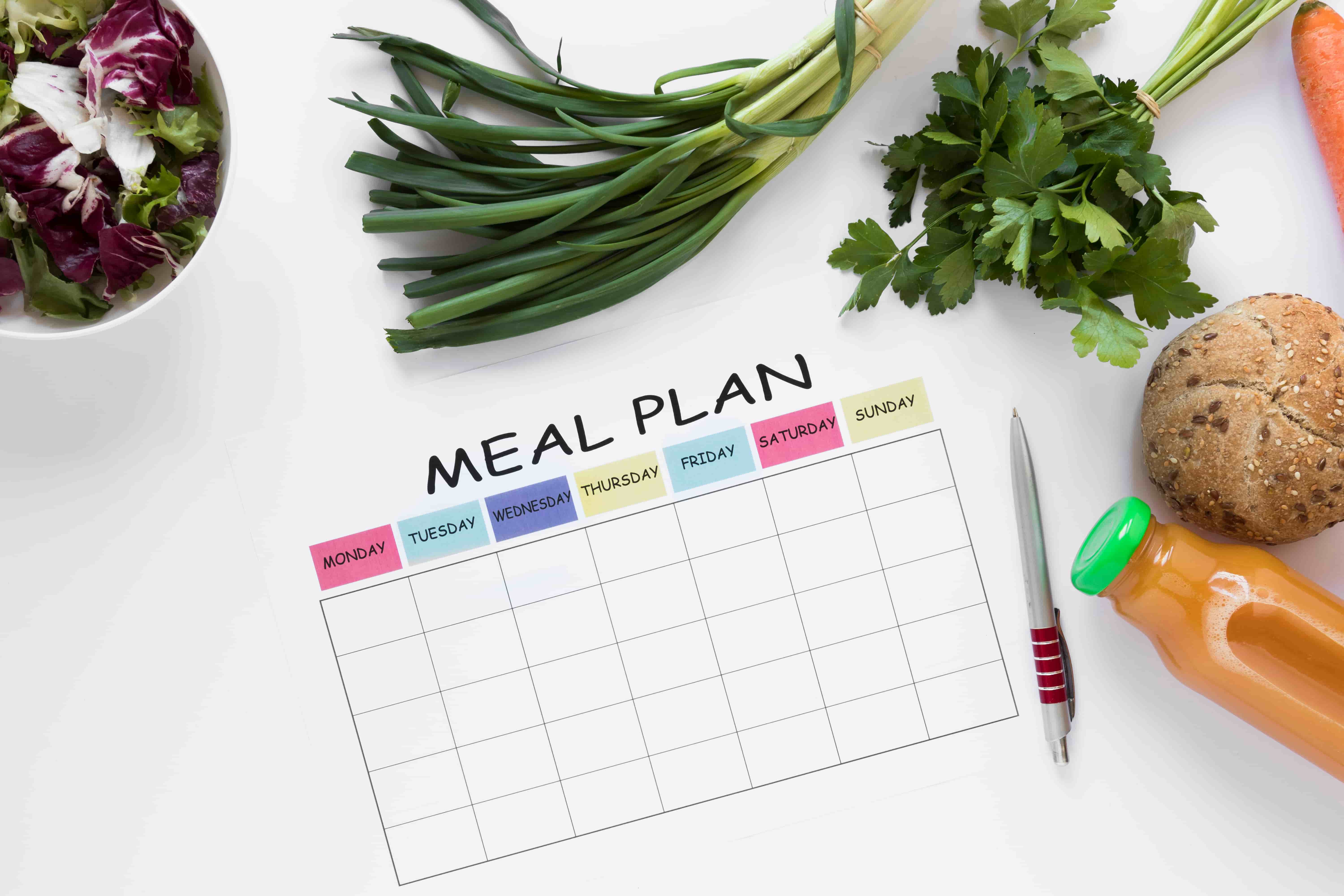
Healthy eating is one of the most effective ways to improve your overall well-being. A well-designed healthy meal plan helps you make smarter food choices, stay consistent with your nutrition, and support long-term health goals. Whether you want to lose weight, build muscle, increase energy, or simply maintain a healthier lifestyle, planning your meals can make healthy eating simple and sustainable.
Rather than following restrictive diets, healthy meal plans focus on balance, variety, and proper nutrition that fuels your body every day.
Why Healthy Meal Plans Matter
The foods you eat directly affect your energy, immunity, digestion, heart health, and mental well-being. Without a meal plan, it’s easy to skip meals or rely on processed foods that lack essential nutrients.
A structured meal plan helps you:
- Maintain balanced nutrition
- Improve energy levels
- Support fitness goals
- Strengthen immunity
- Promote healthy digestion
- Reduce unhealthy food choices
- Build lasting healthy habits
Healthy eating isn’t about perfection—it’s about making consistent choices that benefit your body over time.
What Makes a Healthy Meal Plan?
Lean Protein
Protein helps build and repair muscles, supports metabolism, and keeps you feeling full.
Good sources include:
- Chicken
- Fish
- Eggs
- Lentils
- Tofu
- Greek yogurt
- Beans
Complex Carbohydrates
Whole-food carbohydrates provide steady energy while supporting brain function and physical performance.
Healthy choices include:
- Brown rice
- Oats
- Quinoa
- Whole grains
- Sweet potatoes
Healthy Fats
Healthy fats are essential for heart health, brain function, hormone balance, and nutrient absorption.
Choose:
- Avocados
- Nuts
- Seeds
- Olive oil
Fruits and Vegetables
Colorful fruits and vegetables provide vitamins, minerals, antioxidants, and fiber that support digestion, immunity, and overall wellness.
Health Benefits of Healthy Meal Planning
Supports Weight Management
Balanced meals help regulate appetite, reduce cravings, and encourage portion control, making weight management more sustainable.
Improves Fitness Performance
Your body needs quality nutrition to fuel workouts and recover afterward. A healthy meal plan provides the protein, carbohydrates, and healthy fats needed for better strength, endurance, and muscle recovery.
Boosts Energy Levels
Eating nutrient-rich meals throughout the day helps stabilize blood sugar and provides consistent energy for work, exercise, and daily activities.
Strengthens Immunity
Foods rich in vitamins, minerals, antioxidants, and healthy fats help your immune system defend against illness and support faster recovery.
Promotes Better Digestion
Fiber-rich foods improve gut health, support regular digestion, and help your body absorb nutrients more efficiently.
Supports Long-Term Health
Healthy meal planning may help lower the risk of lifestyle-related conditions by encouraging balanced nutrition and reducing highly processed foods.
How to Create a Healthy Meal Plan
Building a meal plan doesn’t have to be complicated.
Start with these simple steps:
- Set a realistic health or fitness goal.
- Include protein, whole grains, healthy fats, and vegetables in every meal.
- Plan meals and snacks for the week.
- Shop with a grocery list to avoid impulse purchases.
- Prepare ingredients or meals in advance.
- Stay hydrated throughout the day.
- Adjust portions based on your activity level and nutritional needs.
The best meal plan is one you can maintain consistently.
Healthy Meal Planning for Busy Lifestyles
Busy schedules often make healthy eating difficult. Preparing meals ahead of time or choosing nutritious ready-to-eat options helps maintain consistency without relying on fast food.
For those with limited time, Mista Eats offers freshly prepared, balanced meals made with quality ingredients and portion-controlled servings. These meals make it easier to follow a healthy meal plan while supporting nutrition, fitness, and overall wellness.
Why Choose Mista Eats?
- Freshly prepared meals
- Balanced nutrition
- Portion-controlled servings
- Convenient meal solutions
- Supports healthy lifestyle and fitness goals
Common Meal Planning Mistakes
Avoid these common habits:
- Skipping meals
- Relying on processed foods
- Ignoring portion sizes
- Drinking sugary beverages regularly
- Eating too little protein
- Following unrealistic diet trends
Small, sustainable improvements usually deliver better long-term results than restrictive diets.
Conclusion
Healthy meal plans are more than a way to organize meals—they’re a foundation for better health, improved fitness, and lasting wellness. By choosing balanced foods and planning meals in advance, you can improve energy, strengthen immunity, support digestion, and maintain a healthy weight without feeling restricted.
Healthy eating is a lifelong habit. Focus on consistency, variety, and nutrient-rich foods to create a meal plan that fits your lifestyle and helps you achieve your health goals.
FAQ’s
1. What is a healthy meal plan?
A healthy meal plan is a structured eating plan that includes balanced meals with protein, whole grains, healthy fats, fruits, and vegetables.
2. Can healthy meal plans help with weight management?
Yes. Balanced meal plans encourage portion control, improve nutrition, and help reduce unhealthy eating habits.
3. What should every healthy meal include?
Every meal should include lean protein, complex carbohydrates, healthy fats, vegetables, and fiber-rich foods.
4. How does meal planning improve health?
Meal planning supports better nutrition, boosts energy, strengthens immunity, improves digestion, and promotes long-term wellness.
5. Is meal planning suitable for busy professionals?
Absolutely. Planning meals ahead or choosing nutritious prepared meals helps busy individuals maintain healthy eating habits without spending hours cooking.