

Introduction
Healthy eating doesn’t require extreme diets, complicated meal plans, or giving up all your favorite foods. Building better health often starts with simple, consistent choices that provide your body with the nutrients it needs every day.
A healthy diet can support energy levels, digestion, immunity, heart health, healthy weight management, and overall well-being. For beginners, the key is to focus on realistic habits rather than trying to change everything at once.
This guide covers practical tips for eating healthier, including how to build balanced meals, choose protein-rich foods, eat more whole foods, stay hydrated, manage portions, and develop healthy habits that can last.
Why Healthy Eating Matters for Your Health
Food provides the energy and nutrients your body needs to function properly. A balanced eating pattern can help support:
- Healthy energy levels
- Strong immune function
- Digestive health
- Muscle maintenance
- Heart health
- Healthy weight management
- Brain function and concentration
- Overall physical well-being
Healthy eating is not about achieving a perfect diet. It’s about consistently making nutritious choices that support your health and lifestyle.
1. Build Balanced Meals
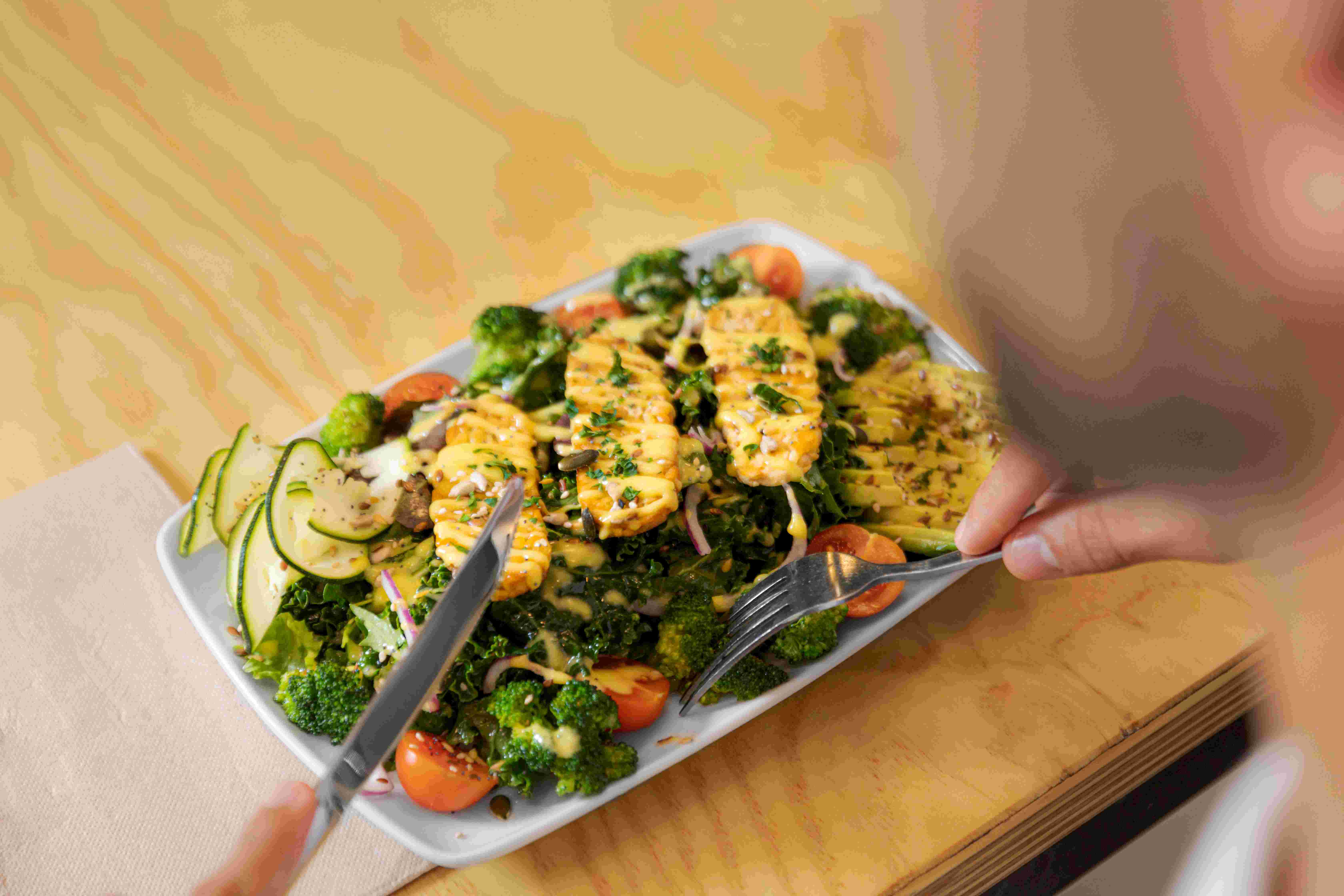
One of the simplest tips for eating healthier is to create balanced meals instead of focusing on individual foods.
A nutritious meal can include:
- Protein: Eggs, fish, chicken, tofu, lentils, beans, paneer, or Greek yogurt
- Complex carbohydrates: Oats, brown rice, quinoa, millets, or whole grains
- Vegetables: Leafy greens, broccoli, carrots, tomatoes, peppers, and other colorful vegetables
- Healthy fats: Nuts, seeds, avocado, and olive oil
Combining these food groups provides a broader range of nutrients and can help meals feel more satisfying.
2. Eat More Protein-Rich Healthy Foods
Protein is an important nutrient for maintaining muscles, supporting tissue repair, and keeping meals satisfying.
Protein-rich foods include:
- Eggs
- Chicken
- Fish
- Greek yogurt
- Paneer
- Tofu
- Lentils
- Chickpeas
- Beans
- Cottage cheese
- Nuts and seeds
Including a source of protein with your meals can make it easier to maintain balanced nutrition throughout the day.
If you exercise regularly, adequate protein is particularly important for supporting muscle repair and recovery.
3. Choose Whole Foods More Often
Whole and minimally processed foods can provide important vitamins, minerals, fiber, and other nutrients.
Make foods such as these regular parts of your diet:
- Fresh vegetables
- Fruits
- Whole grains
- Legumes
- Eggs
- Fish
- Lean meats
- Nuts
- Seeds
You don’t have to completely eliminate processed foods. Instead, try to make nutrient-rich whole foods the foundation of most meals.
4. Eat a Variety of Fruits and Vegetables
Different fruits and vegetables provide different vitamins, minerals, antioxidants, and other beneficial plant compounds.
Try including a variety of colors throughout the week:
- Green leafy vegetables
- Red and orange vegetables
- Berries and other colorful fruits
- Cruciferous vegetables
- Citrus fruits
A simple approach is to include vegetables with lunch and dinner and enjoy fruit as a snack or part of breakfast.
5. Stay Hydrated
Hydration is an important part of maintaining good health. Water supports digestion, circulation, temperature regulation, and normal physical function.
Practical hydration habits include:
- Carrying a reusable water bottle
- Drinking water regularly throughout the day
- Choosing water instead of sugary drinks more often
- Drinking fluids around physical activity
- Including water-rich foods such as fruits and vegetables
Individual fluid needs vary depending on factors such as activity, climate, and overall health, so focus on maintaining regular hydration rather than following one universal target.
6. Practice Portion Control
Healthy foods can still contribute to excess calorie intake when portions are consistently too large.
Simple portion-control strategies include:
- Use appropriately sized plates and bowls.
- Serve food instead of eating directly from packages.
- Eat slowly.
- Pay attention to hunger and fullness.
- Avoid automatically taking second servings.
Portion control doesn’t mean drastically restricting food. It means becoming more aware of how much you’re eating.
7. Choose Healthy Snacks
Snacks can be part of a balanced diet, especially when you choose nutritious options.
Try:
- Fresh fruit
- Greek yogurt
- Boiled eggs
- Roasted chickpeas
- Nuts and seeds
- Vegetable sticks with hummus
- Cottage cheese
Preparing snacks in advance can make healthier choices easier when you’re hungry between meals.
8. Reduce Added Sugar
Many packaged foods and drinks contain added sugars that can increase calorie intake without providing many essential nutrients.
Consider reducing:
- Sugary soft drinks
- Sweetened beverages
- Candy
- Highly sweetened cereals
- Frequent desserts
Instead, choose whole fruit, unsweetened yogurt, or other nutrient-rich options when you want something sweet.
Reading nutrition labels can also help you identify added sugars in packaged foods.
9. Don’t Skip Meals Without a Reason
Skipping meals may make healthy eating more difficult for some people, particularly if it leads to intense hunger and overeating later.
Instead, establish a meal routine that works with your lifestyle.
Quick nutritious options include:
- Overnight oats with fruit and seeds
- Eggs with whole-grain toast
- Greek yogurt with berries
- Vegetable and protein wraps
- Rice or quinoa bowls with vegetables and protein
The goal is to make nutritious eating practical rather than stressful.
10. Plan Your Meals in Advance
Meal planning is one of the most effective ways to make healthy eating easier.
Before the week begins:
- Decide on several meals.
- Make a grocery list.
- Prepare some ingredients in advance.
- Portion meals where practical.
- Keep healthy snacks available.
Meal planning can reduce last-minute food decisions, save time, and make it easier to maintain balanced nutrition.
11. Make Healthy Eating Sustainable
A healthy lifestyle should fit into your real life.
You don’t need to avoid every favorite food. Instead:
- Practice moderation.
- Enjoy occasional treats.
- Focus on overall eating patterns.
- Avoid extreme diets.
- Make gradual changes.
- Return to your routine after an occasional indulgence.
Consistency is more valuable than perfection.
Healthy Eating for Busy Professionals
Work deadlines, commuting, family responsibilities, and limited cooking time can make nutritious eating challenging.
A few practical strategies can help:
- Prepare meals in batches.
- Keep protein-rich snacks at work.
- Plan lunches before busy days.
- Carry water with you.
- Choose balanced meals when eating outside.
- Keep simple ingredients available at home.
When cooking isn’t practical, convenient prepared meals can also help reduce dependence on less nutritious last-minute options.
Make Healthy Eating More Convenient with Mista Eats
Maintaining nutritious eating habits can be difficult when you don’t have enough time to shop, cook, portion, and clean every day.
Mista Eats offers fresh, balanced meals designed to make nutritious eating more convenient for busy lifestyles. Ready-to-eat meal options can help reduce daily preparation time while making balanced food easier to incorporate into your routine.
Whether you’re focused on better nutrition, healthy weight management, fitness, or simply improving your everyday eating habits, convenient meals can make consistency easier.
Healthy Eating and an Active Lifestyle
Nutrition works alongside other healthy lifestyle habits.
For better overall health, combine nutritious eating with:
- Regular physical activity
- Strength and cardiovascular exercise
- Adequate sleep
- Regular hydration
- Stress-management practices
- Consistent daily routines
Good nutrition provides the foundation, while movement and recovery help support overall physical and mental well-being.
Common Healthy Eating Mistakes to Avoid
Beginners often make healthy eating unnecessarily difficult by:
- Following restrictive fad diets
- Eliminating entire food groups without a reason
- Eating too little protein
- Ignoring vegetables and fiber
- Drinking too many sugary beverages
- Eating very large portions
- Expecting immediate results
Instead, focus on balanced nutrition and habits that you can realistically maintain.
Conclusion
The best tips for eating healthier are often simple: eat more whole foods, include protein-rich foods, add plenty of vegetables and fruits, stay hydrated, practice portion awareness, and plan meals ahead.
You don’t need to transform your diet overnight. Start with one or two changes, make them part of your routine, and gradually build from there.
Healthy eating is ultimately about creating a sustainable relationship with food that supports your health, energy, fitness, and everyday life. With consistent choices and practical planning, small improvements can become lifelong healthy habits.
FAQ’s
1. What are the best tips for eating healthier?
Start by eating more vegetables and fruits, choosing whole foods, including protein-rich foods, staying hydrated, controlling portions, and limiting added sugar.
2. What protein-rich healthy foods should beginners eat?
Eggs, fish, chicken, Greek yogurt, paneer, tofu, lentils, chickpeas, beans, nuts, and seeds are nutritious protein sources that can be included in balanced meals.
3. How can I start eating healthier without following a strict diet?
Begin with small changes, such as adding vegetables to meals, replacing sugary drinks with water, choosing whole grains, and preparing nutritious snacks in advance.
4. Is meal planning important for healthy eating?
Yes. Planning meals can save time, reduce last-minute food choices, improve dietary variety, and make it easier to maintain consistent nutrition.
5. Can healthy eating improve overall health?
Yes. A balanced eating pattern can provide essential nutrients that support energy, digestion, immunity, muscle maintenance, heart health, and overall well-being.