

Introduction
Good health starts with the everyday choices you make, and food is one of the most important. While healthy eating doesn’t mean following a restrictive diet or eliminating your favorite foods, choosing fresh, minimally processed ingredients more often can provide your body with the nutrients it needs to function well.
The benefits of fresh healthy meals go beyond weight management. A balanced diet built around vegetables, fruits, whole grains, lean proteins, legumes, nuts, seeds, and healthy fats can support digestion, immunity, heart health, energy levels, and overall well-being.
For people trying to improve their health, eating nutritious meals consistently is often more sustainable than following short-term diets. The goal is to create healthy eating habits that can become part of everyday life.
What Are Fresh Healthy Meals?
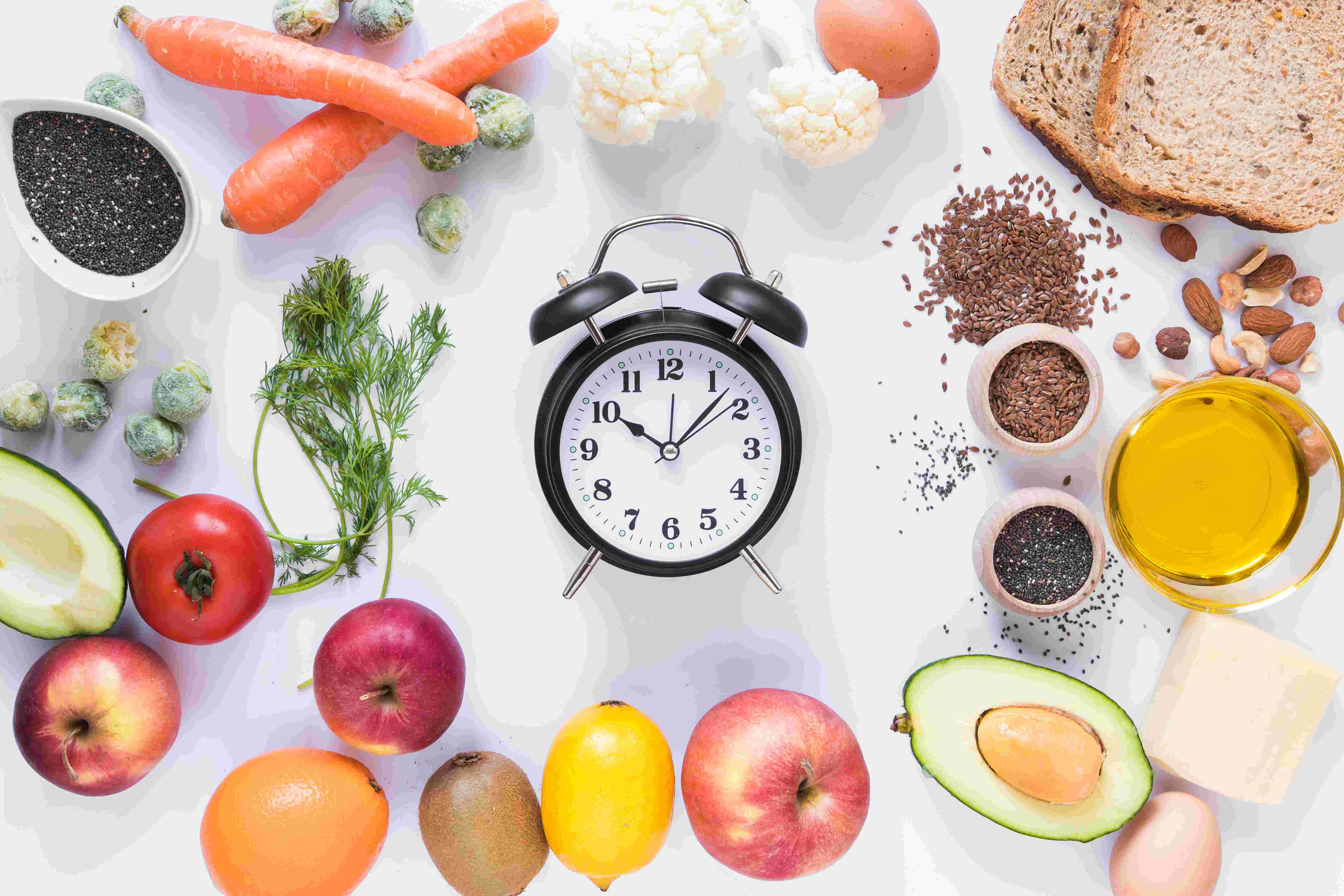
Fresh healthy meals are generally prepared using whole or minimally processed ingredients that provide a variety of essential nutrients.
These can include:
- Fresh vegetables
- Fruits
- Whole grains
- Lean proteins
- Fish and eggs
- Beans and lentils
- Nuts and seeds
- Healthy oils
- Low-fat or plain dairy products
These foods provide important nutrients such as protein, fiber, vitamins, minerals, healthy fats, and carbohydrates.
A healthy meal doesn’t need to be complicated. Combining a source of protein with vegetables, whole-food carbohydrates, and a moderate amount of healthy fat can create a nutritious and satisfying meal.
1. Fresh Foods Provide Essential Nutrients
One of the biggest benefits of eating natural foods is their nutritional value.
Fruits and vegetables provide vitamins, minerals, fiber, and plant compounds. Protein-rich foods provide amino acids needed for maintaining and repairing body tissues, while whole grains and legumes provide carbohydrates, fiber, and other nutrients.
For example:
- Spinach provides folate and other micronutrients.
- Oranges provide vitamin C.
- Eggs provide protein and several essential nutrients.
- Lentils provide protein, fiber, and minerals.
- Oats provide carbohydrates and fiber.
- Nuts provide healthy fats and protein.
Eating a variety of foods is important because no single food provides everything your body needs.
2. Fresh Healthy Meals Can Support Healthy Weight Management
Healthy eating can play an important role in maintaining a healthy weight.
Meals containing protein and fiber can help you feel satisfied, while vegetables and fruits can add volume and nutrients to meals. Choosing minimally processed foods more often can also make it easier to manage excess calories.
For better weight management, focus on:
- Appropriate portion sizes
- Protein-rich foods
- High-fiber vegetables
- Whole grains
- Fresh fruits
- Healthy fats in moderate portions
- Water instead of sugary beverages
Weight management is not simply about eating less. The quality, composition, and portions of your meals also matter.
3. Natural Foods Can Support Better Digestion
Digestive health is another important reason to include more whole foods in your diet.
Many plant foods contain dietary fiber, which supports normal bowel function and contributes to a healthy gut environment.
Fiber-rich choices include:
- Oats
- Beans
- Lentils
- Chickpeas
- Apples
- Berries
- Broccoli
- Leafy vegetables
- Seeds
Increasing fiber gradually while drinking enough fluids can help support healthy digestion.
Fermented foods such as plain yogurt can also be part of a balanced diet and provide beneficial microorganisms.
4. Fresh Meals Help Support Immune Health
Your immune system requires a variety of nutrients to function properly.
A balanced diet provides nutrients such as vitamin C, vitamin A, vitamin D, zinc, selenium, iron, and protein that contribute to normal immune function.
Include a variety of:
- Colorful fruits
- Leafy vegetables
- Citrus fruits
- Eggs
- Fish
- Legumes
- Nuts and seeds
- Yogurt
- Whole grains
No individual food can guarantee protection from illness. However, consistently eating a varied, nutrient-rich diet supports overall nutritional health and normal immune function.
5. Healthy Meals Can Support Consistent Energy
Food provides the energy your body needs for work, exercise, and everyday activities.
Meals combining complex carbohydrates, protein, healthy fats, and fiber can provide balanced nutrition throughout the day.
Instead of relying heavily on sugary foods and drinks, consider meals such as:
- Oatmeal with fruit and nuts
- Eggs with whole-grain toast and vegetables
- Chicken with brown rice and vegetables
- Lentil bowls with vegetables
- Greek yogurt with fruit and seeds
Balanced meals can also help reduce the cycle of relying on highly processed snacks whenever hunger appears.
6. Fresh Foods Support Heart Health
Dietary patterns rich in vegetables, fruits, whole grains, legumes, nuts, and fish are commonly associated with better cardiovascular health.
You can make heart-conscious choices by:
- Eating more vegetables and fruits
- Choosing whole grains
- Including beans and lentils
- Eating nuts and seeds in appropriate portions
- Choosing healthier unsaturated fats
- Limiting excessive sodium
- Reducing highly processed foods
- Limiting foods high in saturated and trans fats
Healthy eating works best as part of a broader lifestyle that includes physical activity, adequate sleep, and other healthy habits.
7. Protein-Rich Foods Support Overall Health
Protein is an essential nutrient involved in maintaining and repairing tissues and supporting many body functions.
Fresh healthy meals can include both animal and plant-based protein sources.
Good choices include:
- Eggs
- Chicken
- Fish
- Greek yogurt
- Cottage cheese
- Paneer
- Tofu
- Lentils
- Chickpeas
- Beans
Including protein in meals can also contribute to satiety, making protein-rich foods particularly useful for people working toward healthy weight management.
8. Healthy Eating Supports an Active Lifestyle
Nutrition and physical activity work together.
Whether you walk regularly, participate in strength training, run, cycle, or simply want to remain active, your body needs adequate nutrition to support physical activity and recovery.
A balanced meal containing carbohydrates and protein can provide useful nutrition around an active routine.
For example, after exercise, options such as yogurt with fruit, eggs with whole-grain toast, or a balanced chicken and grain bowl can provide protein and carbohydrates.
9. Fresh Healthy Meals Can Improve Everyday Eating Habits
Healthy eating becomes easier when nutritious foods are readily available.
Keeping fruits, vegetables, protein sources, and whole grains at home reduces the need to rely on highly processed convenience foods.
Simple habits include:
- Planning meals before grocery shopping
- Preparing ingredients in advance
- Keeping healthy snacks available
- Cooking larger batches of nutritious foods
- Portioning meals ahead of time
- Keeping water accessible
The objective isn’t to make every meal perfect. It’s to make healthy choices easier and more frequent.
10. Meal Planning Makes Healthy Eating More Sustainable
Meal planning can remove much of the uncertainty around what to eat.
Start by planning a few simple meals for the week. Choose versatile ingredients that can be used across multiple dishes.
For example, cooked vegetables, grains, eggs, chicken, tofu, or lentils can be combined in different ways to create varied meals.
For people with demanding schedules, convenient prepared meals can also reduce the time required for grocery shopping, cooking, and cleaning.
Mista Eats provides fresh, balanced meal options for people who want convenient ways to maintain nutritious eating habits. Having prepared meals available can be especially useful during busy workdays when cooking isn’t practical, while helping make balanced food choices more accessible.
Foods to Limit for Better Health
Healthy eating doesn’t require completely eliminating processed foods. However, consuming highly processed foods frequently can make balanced nutrition more difficult.
Consider limiting:
- Sugary beverages
- Excess sweets
- Deep-fried foods
- Highly processed snacks
- Foods high in sodium
- Refined grains in excess
- Processed meats
Instead, make whole and minimally processed foods the foundation of most meals.
How to Build a Healthy Plate
A simple plate structure can make balanced eating easier.
Aim to include:
- Half the plate: Vegetables and other nutrient-rich plant foods
- One-quarter: Protein such as fish, chicken, eggs, tofu, beans, or lentils
- One-quarter: Whole-food carbohydrates such as brown rice, oats, quinoa, or whole grains
Add a moderate amount of healthy fat from foods such as nuts, seeds, avocado, or olive oil.
Individual nutritional needs vary, so portions should be adjusted according to factors such as age, activity level, goals, and dietary requirements.
Conclusion
The benefits of fresh healthy meals extend across many areas of health. Nutrient-rich foods can support digestion, immune function, energy, cardiovascular health, healthy weight management, physical activity, and sustainable eating habits.
The best approach isn’t to follow extreme diets or make unrealistic changes. Instead, build your meals around vegetables, fruits, protein-rich foods, whole grains, legumes, and healthy fats while paying attention to portions and hydration.
For busy lifestyles, meal planning and convenient nutritious options such as Mista Eats can make healthy eating easier to maintain.
Ultimately, better health is built one meal and one habit at a time. By choosing nourishing foods consistently, you can create an eating pattern that supports your health not just for a few weeks, but for years to come.
FAQ’s
1. What are the main benefits of fresh healthy meals?
Fresh healthy meals can provide essential nutrients while supporting digestion, energy, immune function, healthy weight management, cardiovascular health, and overall well-being.
2. Why are natural foods important for health?
Natural and minimally processed foods can provide important nutrients such as protein, fiber, vitamins, minerals, and healthy fats while helping form the foundation of a balanced diet.
3. Can fresh healthy meals help with weight management?
Yes. Meals built around protein, fiber-rich foods, vegetables, fruits, and appropriate portions can support satiety and make healthy weight management easier.
4. What are the best protein-rich healthy foods?
Eggs, fish, chicken, Greek yogurt, cottage cheese, tofu, paneer, lentils, chickpeas, and beans are nutritious protein sources that can be included in a balanced diet.
5. How can I eat more fresh healthy foods every day?
Plan meals in advance, keep fruits and vegetables available, include protein with meals, choose whole grains, prepare ingredients ahead of time, and use convenient nutritious meal options when your schedule is busy.