
Introduction
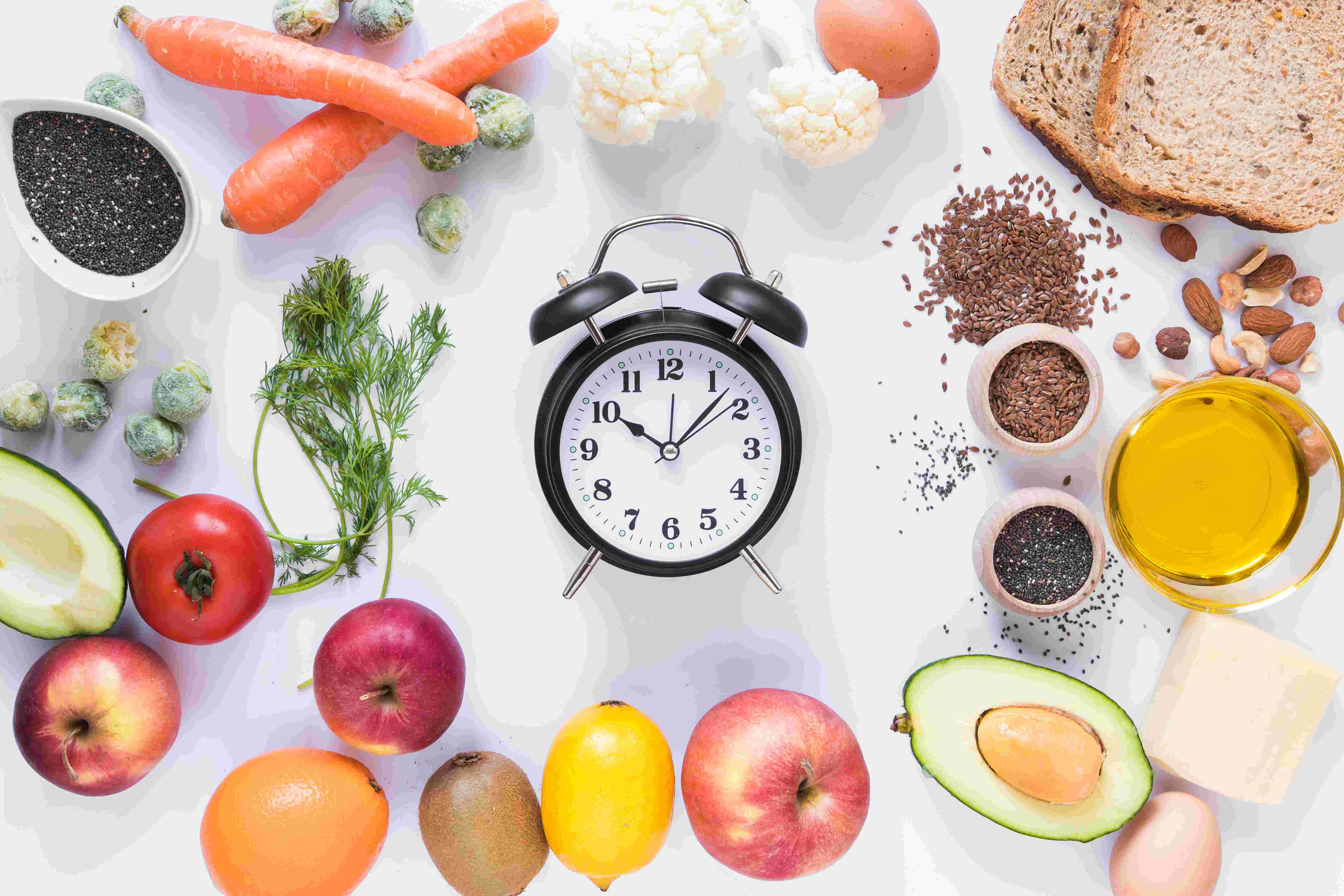
Achieving fitness goals requires more than regular workouts. Whether you’re strength training, running, practicing yoga, playing sports, or simply becoming more active, your body needs the right nutrition to perform, recover, and adapt.
However, maintaining a nutritious diet can be challenging when work, family responsibilities, travel, and daily commitments leave little time for grocery shopping and cooking. This is where healthy meal delivery for fitness can make maintaining a consistent nutrition routine easier.
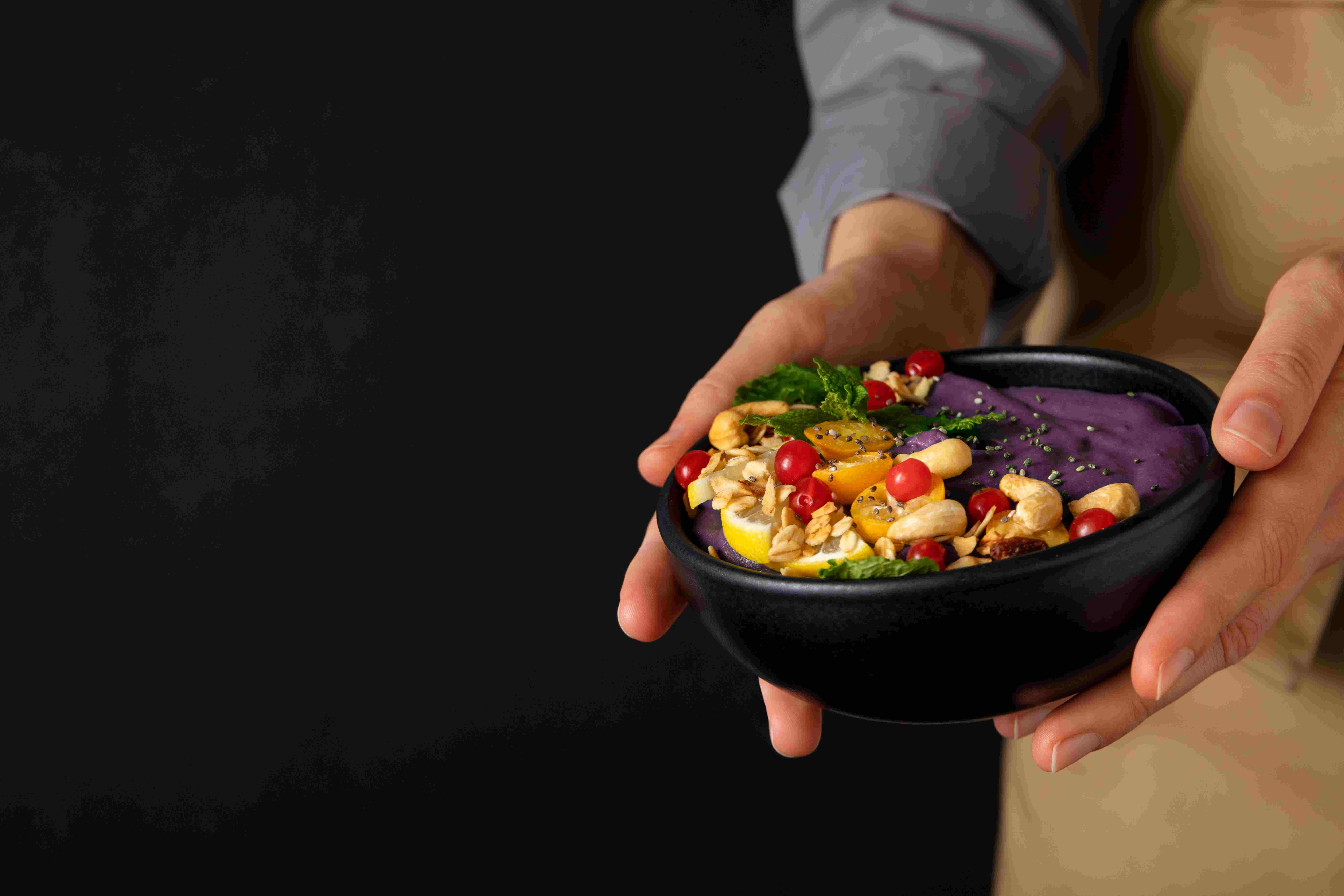
From protein-rich meals and complex carbohydrates to vegetables, healthy fats, and convenient portion-controlled options, professionally prepared meals can help support your fitness routine without requiring hours in the kitchen.
Why Nutrition Is Important for Fitness
Exercise creates a demand for energy and nutrients. Your body needs adequate nutrition before training to support performance and after exercise to support recovery.
A balanced fitness diet can help:
- Provide energy for workouts
- Support muscle growth and maintenance
- Promote post-workout recovery
- Support endurance and strength
- Maintain healthy body composition
- Improve consistency with nutrition
- Provide essential vitamins and minerals
- Support overall health and well-being
Nutrition and exercise work together. Training provides the stimulus, while food provides the energy and nutrients required to support your body’s response.
What Should a Fitness Meal Include?
A nutritious fitness meal doesn’t need to be complicated. The goal is to combine different food groups in appropriate portions.
A balanced meal can include:
Protein
Chicken, fish, eggs, tofu, paneer, Greek yogurt, beans, and lentils.
Complex Carbohydrates
Oats, brown rice, quinoa, whole grains, sweet potatoes, and legumes.
Vegetables
Leafy greens, broccoli, carrots, tomatoes, peppers, cucumber, and other colorful vegetables.
Healthy Fats
Nuts, seeds, avocado, olive oil, and fatty fish.
This combination provides protein, carbohydrates, fats, fiber, vitamins, and minerals that can support an active lifestyle.
Protein-Rich Foods for Fitness
Protein is one of the most important nutrients for people who exercise regularly. It provides amino acids needed for maintaining and repairing body tissues, including muscle.
Good protein-rich fitness foods include:
- Eggs
- Chicken
- Fish
- Greek yogurt
- Cottage cheese
- Paneer
- Tofu
- Tempeh
- Lentils
- Chickpeas
- Beans
- Quinoa
Including a protein source in your main meals can make it easier to meet your daily nutritional needs.
For people following vegetarian or plant-based eating patterns, combining different plant protein sources can provide variety while contributing to overall protein intake.
Carbohydrates Provide Workout Fuel
Carbohydrates are an important source of energy, particularly during moderate- to high-intensity exercise.
Instead of eliminating carbohydrates, choose nutrient-rich sources such as:
- Oats
- Brown rice
- Quinoa
- Whole-grain bread
- Whole-wheat pasta
- Sweet potatoes
- Beans
- Lentils
- Fruits
Combining carbohydrates with protein can create balanced meals that support both energy needs and recovery.
For example, a meal containing grilled chicken, brown rice, and vegetables provides protein, carbohydrates, fiber, and micronutrients.
Healthy Fats Are Part of a Balanced Fitness Diet
Healthy fats shouldn’t be completely removed from a fitness-focused diet. Dietary fat contributes to normal body functions and helps provide energy.
Nutritious sources include:
- Almonds
- Walnuts
- Chia seeds
- Flaxseeds
- Avocado
- Olive oil
- Fatty fish
Because fats are energy-dense, portion awareness is still important.
Adding a small serving of nuts to yogurt or seeds to oatmeal can be a simple way to include healthy fats.
Pre-Workout Meals: Fuel Before Exercise
What you eat before exercising can influence how you feel and perform during your workout.
A pre-workout meal or snack can include carbohydrates with a moderate amount of protein.
Examples include:
- Oatmeal with banana
- Greek yogurt with fruit
- Whole-grain toast with eggs
- Banana with peanut butter
- A fruit and yogurt smoothie
The ideal timing and portion depend on the individual, workout intensity, and personal tolerance. Some people prefer a full meal several hours before exercise, while others may need only a light snack closer to training.
Post-Workout Nutrition Supports Recovery
After exercise, your body needs nutrients to recover and prepare for your next session.
A post-workout meal can combine protein and carbohydrates.
Examples include:
- Grilled chicken with brown rice and vegetables
- Fish with quinoa and salad
- Paneer with whole-grain roti and vegetables
- Tofu with rice and stir-fried vegetables
- Greek yogurt with fruit and oats
- Eggs with whole-grain toast
Rather than focusing only on a specific post-workout time window, prioritize your overall daily nutrition and ensure you regularly consume adequate protein and energy.
Hydration Is Essential for Fitness
Water plays an important role in physical performance and recovery. Fluid requirements vary depending on exercise intensity, duration, environment, and individual needs.
Make hydration easier by:
- Drinking water throughout the day
- Carrying a reusable bottle
- Drinking before and after exercise
- Replacing sugary beverages with water more often
- Increasing fluid intake during prolonged or intense exercise
For longer or particularly strenuous sessions, electrolytes may also be useful depending on individual needs and sweat losses.
Fitness Foods That Support Recovery
Recovery isn’t only about protein. Your overall diet should provide a variety of nutrients.
Foods that can contribute to a recovery-focused diet include:
Eggs
Provide high-quality protein along with several vitamins and minerals.
Fatty Fish
Salmon, sardines, and similar fish provide protein and omega-3 fatty acids.
Berries
Berries provide fiber and beneficial plant compounds.
Leafy Greens
Spinach, kale, and other greens provide vitamins, minerals, and fiber.
Whole Grains
Oats, quinoa, and brown rice provide carbohydrates and other nutrients.
Yogurt
Greek yogurt provides protein and can be paired with fruit, oats, or seeds.
A varied diet is generally more useful than relying on one so-called “superfood.”
Why Meal Planning Matters for Fitness
Consistent nutrition can be difficult when every meal requires a new decision.
Meal planning can help you:
- Maintain consistent protein intake
- Prepare balanced meals in advance
- Control portions
- Reduce reliance on fast food
- Save cooking time
- Reduce unnecessary snacking
- Stay organized around workouts
Planning meals around your training schedule can also make it easier to have appropriate pre- and post-workout options available.
Who Can Benefit From Fitness Meal Delivery?
Healthy meal delivery can be useful for different types of active individuals.
Gym Beginners
People starting a fitness routine can use balanced meals to establish better eating habits alongside their workouts.
Strength Training Enthusiasts
Those focused on building or maintaining muscle can prioritize meals containing sufficient protein and energy.
Runners and Endurance Athletes
Endurance-focused individuals may benefit from meals that provide adequate carbohydrates alongside protein and micronutrients.
Busy Professionals
People with demanding schedules can save time by choosing freshly prepared meals rather than relying on frequent takeout.
Health-Conscious Individuals
Even if you’re not training for a specific goal, nutritious prepared meals can make balanced eating more convenient.
What to Look for in Healthy Fitness Meal Delivery
When selecting a meal delivery service, consider:
- Balanced nutritional composition
- Adequate protein options
- Quality ingredients
- Variety of meals
- Appropriate portion sizes
- Transparent nutritional information
- Fresh preparation
- Convenient delivery
- Options that fit your dietary preferences
The best option is one that makes it easier for you to maintain consistent, nutritious eating habits.
Preparing fitness-friendly meals every day can take considerable time. Mista Eats offers freshly prepared meals that can make nutritious eating more convenient for people balancing workouts, work, and everyday responsibilities.
With balanced meal options and convenient delivery, Mista Eats can help reduce the time spent planning, shopping, cooking, and cleaning while making it easier to maintain a consistent eating routine.
Whether you’re looking for protein-rich meals after training, balanced lunches during a busy workday, or convenient nutritious dinners, having ready-to-eat options can simplify your fitness nutrition routine.
Simple Fitness Nutrition Routine
You don’t need an overly complicated meal plan to eat well.
A simple daily structure could look like:
Breakfast
Eggs or Greek yogurt + oats or whole grains + fruit.
Lunch
Chicken, fish, tofu, or lentils + whole grains + vegetables.
Snack
Greek yogurt, fruit, eggs, nuts, or roasted chickpeas.
Dinner
Protein source + vegetables + whole grains or legumes.
Around Workouts
Choose carbohydrates and protein based on your training schedule and personal preferences.
The exact foods and portions should be adjusted according to your individual energy needs, activity level, goals, and dietary preferences.
Common Fitness Nutrition Mistakes to Avoid
Even people who exercise regularly can make nutrition mistakes.
Avoid:
- Eating too little to support your activity
- Consuming insufficient protein
- Eliminating carbohydrates unnecessarily
- Relying heavily on supplements
- Ignoring hydration
- Eating highly processed foods most of the time
- Skipping meals around demanding training sessions
- Following extreme diets
A balanced and sustainable approach is generally easier to maintain than restrictive eating.
Conclusion
Fitness isn’t built through exercise alone. Nutrition provides the energy and nutrients your body needs to train, recover, and maintain overall health.
A fitness-focused diet should include adequate protein, quality carbohydrates, healthy fats, vegetables, fruits, and sufficient fluids. Planning meals in advance can make these choices easier and more consistent.
For people with busy schedules, healthy meal delivery for fitness can provide a practical way to enjoy balanced, protein-rich meals without spending hours preparing food.
Whether you prepare meals yourself or use convenient options such as Mista Eats, focus on consistency, variety, and nutrition that supports your individual fitness needs.
FAQ’s
1. What should a healthy fitness meal contain?
A balanced fitness meal can include a protein source, complex carbohydrates, vegetables, and a moderate amount of healthy fats. The ideal portions depend on individual nutritional and fitness needs.
2. Are high-protein meals good for fitness?
Yes. Protein provides amino acids needed for muscle maintenance and repair, making adequate protein an important part of nutrition for people who exercise regularly.
3. What should I eat before a workout?
Carbohydrate-rich foods with some protein, such as oatmeal with fruit, yogurt with berries, or whole-grain toast with eggs, can be suitable pre-workout choices.
4. What should I eat after exercise?
A combination of protein and carbohydrates can support recovery. Examples include chicken with rice and vegetables, tofu with quinoa, or Greek yogurt with fruit and oats.
5. Can healthy meal delivery support fitness goals?
Yes. Freshly prepared, balanced meals can save time, provide convenient nutritious options, and make it easier to maintain consistent eating habits alongside a regular fitness routine.