

Introduction
Healthy eating doesn’t have to mean following complicated diets, counting every calorie, or completely changing the way you eat overnight. For beginners, the best approach is to build simple habits that improve nutrition while fitting naturally into everyday life.
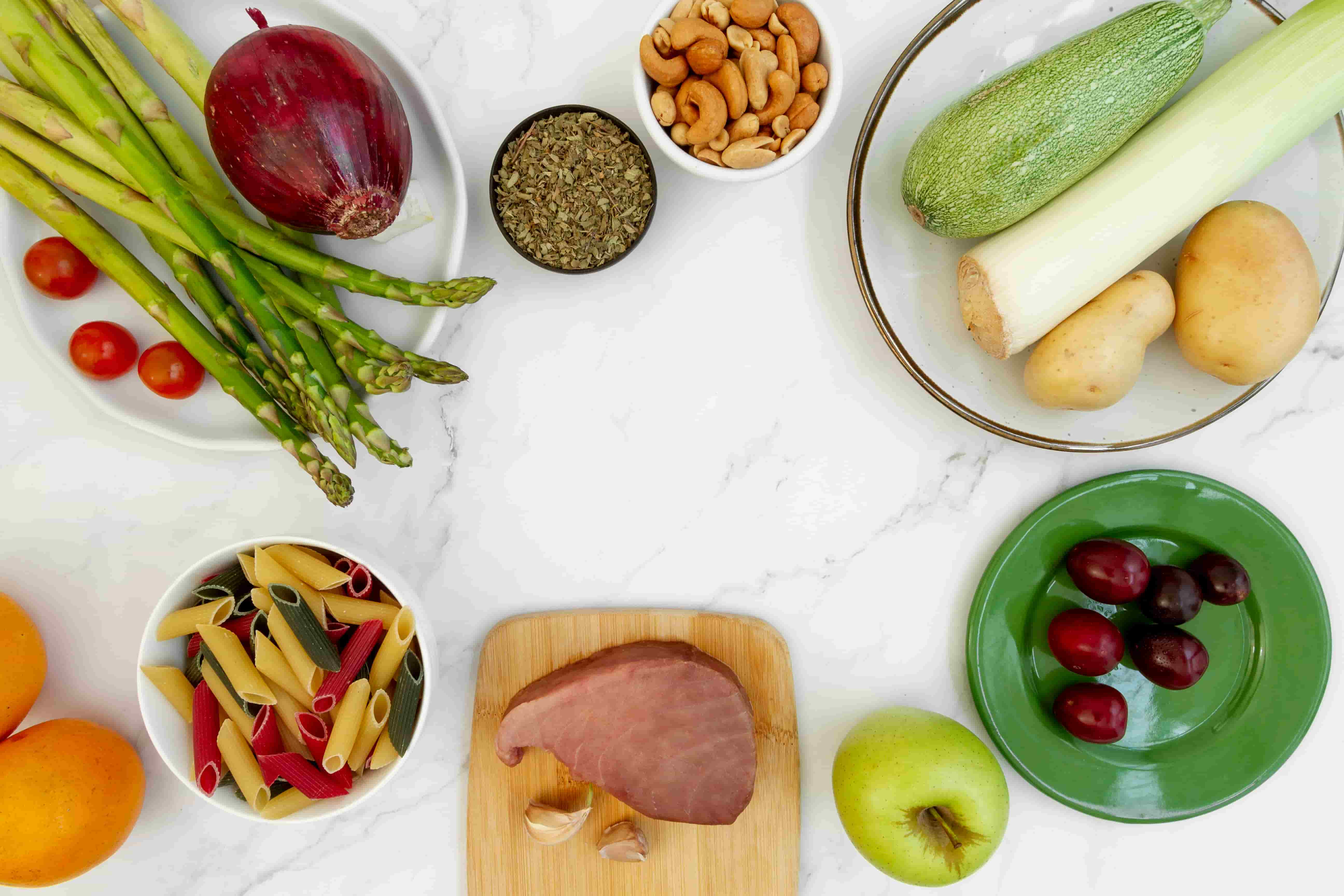
A healthy diet provides the nutrients your body needs for energy, immunity, muscle maintenance, digestion, and overall well-being. One of the easiest ways to improve your diet is to focus on whole foods, balanced meals, adequate protein, fruits and vegetables, healthy fats, and proper hydration.
If you’re wondering how to start eating healthier, this guide covers practical simple diet tips for beginners that can help you develop sustainable habits and make better food choices.
Why Healthy Eating Is Important for Your Health
Nutrition affects almost every aspect of your health. Your body needs a combination of protein, carbohydrates, fats, vitamins, minerals, fiber, and water to function properly.
A balanced diet can help support:
- Daily energy levels
- Muscle maintenance and recovery
- Healthy digestion
- Immune function
- Brain and cognitive health
- Bone health
- Healthy weight management
- Heart health
- Overall physical well-being
Instead of looking for a perfect diet, focus on making nutritious choices consistently. Small changes repeated over time can become lasting healthy habits.
1. Start with Small, Sustainable Changes
One of the most common mistakes beginners make is trying to change everything at once. Extremely restrictive diets can be difficult to maintain and may make healthy eating feel overwhelming.
Start with one or two simple changes.
For example:
- Add vegetables to one additional meal each day.
- Replace sugary drinks with water.
- Add a protein source to breakfast.
- Choose whole grains more often.
- Keep nutritious snacks available.
Once these habits become routine, gradually introduce additional improvements.
2. Build Balanced Meals
A balanced meal should provide several essential nutrients rather than focusing on one food group.
Try building meals around:
- Protein: Eggs, chicken, fish, tofu, paneer, beans, lentils, or Greek yogurt
- Complex carbohydrates: Oats, brown rice, quinoa, whole grains, and sweet potatoes
- Vegetables: Leafy greens, broccoli, carrots, peppers, tomatoes, and other colorful vegetables
- Healthy fats: Nuts, seeds, avocado, and olive oil
Combining these foods can create satisfying meals that provide a broad range of nutrients.
3. Include Protein-Rich Healthy Foods
Protein is an important part of a healthy diet. It helps maintain and repair body tissues and supports muscle health. Including protein in meals can also contribute to feelings of fullness.
There are plenty of protein-rich foods to choose from.
Animal-Based Protein
- Eggs
- Chicken
- Fish
- Lean meat
- Greek yogurt
- Cottage cheese
Plant-Based Protein
- Lentils
- Chickpeas
- Beans
- Tofu
- Tempeh
- Soy products
- Peas
- Quinoa
- Nuts and seeds
For beginners, an easy rule is to include a protein-rich food in every main meal.
For example, try eggs with whole-grain toast at breakfast, lentils with vegetables at lunch, and tofu or fish with vegetables at dinner.
4. Eat More Fruits and Vegetables
Fruits and vegetables provide fiber, vitamins, minerals, and various beneficial plant compounds.
Try to include different colors throughout the day. You could combine leafy greens, red peppers, carrots, berries, oranges, tomatoes, or other seasonal produce.
Simple ways to eat more vegetables include:
- Adding spinach to eggs
- Including vegetables in sandwiches or wraps
- Adding berries to yogurt
- Keeping cut vegetables available for snacks
- Adding a side salad to lunch or dinner
Variety is important because different foods provide different nutrients.
5. Choose Whole Foods More Often
Whole and minimally processed foods can make up the foundation of a nutritious eating pattern.
Good choices include:
- Fresh fruits
- Vegetables
- Whole grains
- Eggs
- Fish
- Lean meats
- Legumes
- Nuts
- Seeds
- Yogurt
This doesn’t mean you need to completely avoid processed foods. Instead, aim to make nutrient-dense foods the regular foundation of your diet while enjoying other foods in moderation.
6. Choose Healthy Carbohydrates
Carbohydrates provide energy for daily activities and exercise. Instead of eliminating carbohydrates, choose nutritious sources more often.
Examples include:
- Oats
- Brown rice
- Quinoa
- Whole-grain bread
- Whole-wheat pasta
- Sweet potatoes
- Beans
- Fruits
Pairing carbohydrates with protein, vegetables, or healthy fats can create a more balanced meal.
7. Include Healthy Fats
Fat is an essential nutrient that supports several functions in the body. The key is choosing nutritious sources and paying attention to portions.
Healthy options include:
- Almonds
- Walnuts
- Chia seeds
- Flaxseeds
- Pumpkin seeds
- Avocado
- Olive oil
- Fatty fish
Adding a small amount of nuts or seeds to yogurt, oats, or salads is an easy way to include healthy fats.
8. Stay Hydrated
Water is essential for many processes in the body, including digestion and temperature regulation.
Make hydration easier by:
- Carrying a reusable water bottle
- Drinking water throughout the day
- Choosing water instead of sugary beverages more often
- Drinking fluids around physical activity
- Including water-rich foods such as fruits and vegetables
Individual fluid needs vary based on factors such as activity, climate, and overall diet, so focus on maintaining regular hydration rather than following a single number.
9. Practice Portion Awareness
Even nutritious foods can contribute to excessive calorie intake when portions are consistently too large.
Simple portion strategies include:
- Serve food on a plate instead of eating directly from packages.
- Eat slowly.
- Pay attention to hunger and fullness.
- Use appropriate serving sizes.
- Avoid automatically taking second portions.
Portion awareness doesn’t mean you need to weigh every food. It simply helps you become more conscious of how much you’re eating.
10. Make Breakfast More Nutritious
Breakfast can be a convenient opportunity to include protein, fiber, and other nutrients.
Try options such as:
- Oatmeal with Greek yogurt, berries, and seeds
- Vegetable omelet with whole-grain toast
- Greek yogurt with fruit and nuts
- Smoothie with fruit, yogurt, and seeds
- Whole-grain toast with eggs and avocado
A protein-rich breakfast can make it easier to meet your overall protein needs throughout the day.
11. Plan Your Meals
Meal planning can make healthy eating easier, particularly when your schedule is busy.
Before the week begins, consider:
- Which meals you’ll prepare
- Which protein sources you’ll use
- Which vegetables and fruits you’ll buy
- Which healthy snacks you’ll keep available
Preparing ingredients ahead of time can also reduce the temptation to rely on less nutritious convenience foods.
12. Choose Healthier Snacks
Snacks can contribute useful nutrients when you choose them thoughtfully.
Protein-rich and nutrient-dense options include:
- Greek yogurt with berries
- Boiled eggs
- Apple with nut butter
- Roasted chickpeas
- Cottage cheese with vegetables
- A small handful of nuts
- Hummus with vegetable sticks
Combining protein and fiber can make snacks more satisfying.
13. Reduce Added Sugar and Highly Processed Foods
You don’t need to eliminate all treats from your diet. However, regularly consuming large amounts of sugary drinks, sweets, and highly processed snacks can make it harder to maintain a balanced eating pattern.
Try simple swaps:
- Water instead of sugary drinks
- Fresh fruit instead of candy
- Plain yogurt with fruit instead of heavily sweetened yogurt
- Oats instead of highly sugary breakfast cereals
The goal is improvement, not perfection.
14. Learn to Read Nutrition Labels
Nutrition labels can help you compare products and understand what you’re eating.
Pay attention to:
- Protein
- Fiber
- Added sugars
- Sodium
- Saturated fat
- Serving size
When comparing similar products, choosing the option with more protein and fiber and less added sugar can sometimes be a useful strategy.
15. Avoid Common Beginner Diet Mistakes
Healthy eating becomes easier when you avoid unrealistic expectations.
Common mistakes include:
- Following extreme diets
- Completely eliminating carbohydrates
- Relying heavily on supplements
- Skipping meals regularly
- Eating too little protein
- Ignoring vegetables and fiber
- Drinking too little water
- Expecting immediate results
A sustainable eating pattern should provide enough variety and nutrition to support your lifestyle.
Healthy Eating for Busy Lifestyles
You don’t have to cook every meal from scratch to eat well. Planning ahead, preparing ingredients in batches, and keeping convenient nutritious foods available can make healthy eating more realistic.
For people with demanding schedules, freshly prepared meal options can also reduce the time required for grocery shopping, cooking, and meal preparation.
Mista Eats offers freshly prepared meals with balanced ingredients and convenient delivery, providing another option for people who want nutritious meals while managing busy schedules. Convenient meal solutions can make it easier to maintain consistent eating habits without relying on fast food or skipping meals.
Simple Healthy Eating Routine for Beginners
If you’re unsure where to begin, keep your routine simple:
Breakfast
Protein + whole grain + fruit
Lunch
Protein + vegetables + whole-grain carbohydrate
Snack
Fruit + protein or healthy fat
Dinner
Protein + vegetables + whole grain or legumes
Throughout the Day
Water and other nutritious fluids.
This structure gives you flexibility while helping you include a variety of essential nutrients.
Conclusion
Learning how to eat healthier doesn’t require a perfect meal plan or strict restrictions. The most effective approach is to develop simple habits that you can maintain over time.
Focus on eating more whole foods, including protein-rich healthy foods, choosing a variety of fruits and vegetables, staying hydrated, practicing portion awareness, and planning meals ahead.
Whether you’re completely new to nutrition or simply looking to improve your existing diet, start with one change today. As those small improvements become routine, you can gradually build a healthier and more balanced lifestyle.
FAQ’s
1. What are the simplest diet tips for beginners?
Start by eating more vegetables and fruits, including protein-rich foods in meals, choosing whole foods, drinking enough water, and practicing portion awareness.
2. What are the best protein-rich healthy foods?
Eggs, fish, chicken, Greek yogurt, cottage cheese, tofu, lentils, chickpeas, beans, quinoa, nuts, and seeds are nutritious protein-rich options.
3. How much protein should I eat every day?
Protein requirements vary based on factors such as age, body size, activity level, and health goals. A healthcare professional or registered dietitian can help determine an appropriate individual target.
4. Can beginners eat carbohydrates as part of a healthy diet?
Yes. Nutritious carbohydrate sources such as oats, whole grains, beans, fruits, brown rice, quinoa, and sweet potatoes can be part of a balanced diet.
5. How can I eat healthier when I don’t have time to cook?
Meal planning, batch preparation, keeping nutritious snacks available, and choosing convenient options such as freshly prepared meals can make healthy eating easier when you’re busy.