
Introduction
Healthy weight loss does not require extreme diets, skipping meals, or eliminating entire food groups. The most effective approach is usually a sustainable eating pattern that provides adequate nutrition while helping you manage your overall calorie intake.
A simple weight loss diet can include familiar foods, balanced meals, appropriate portions, and occasional flexibility. The goal is not to follow a perfect meal plan every day. Instead, it is to develop eating habits that you can maintain for months and years.
Whether you want to lose a small amount of weight, improve your eating habits, or support a healthier lifestyle, understanding the basics of nutrition can help you make better food choices.
This guide explores simple diet plans for healthy weight loss, practical meal ideas, portion control strategies, and sustainable habits that can support your long-term goals.
What Makes a Diet Effective for Weight Loss?
Weight loss generally occurs when your body uses more energy than it receives from food over time. However, creating a sustainable calorie deficit does not mean drastically restricting your food intake.
A healthy weight loss approach should provide enough nutrients while helping you gradually reduce excess calorie intake.
An effective diet plan should be:
- Balanced and nutritious
- Realistic for your lifestyle
- Flexible enough for social occasions
- Satisfying rather than excessively restrictive
- Rich in protein and fibre
- Based mainly on minimally processed foods
- Sustainable over the long term
Rapid weight loss may not always be sustainable. A gradual approach can make it easier to maintain healthy habits and preserve lean muscle, particularly when combined with regular physical activity.
Key Principles of a Healthy Weight Loss Diet
1. Build Balanced Meals
Instead of focusing on individual foods, think about the overall balance of your meals.
A balanced plate can include:
- A protein source
- Vegetables
- A high-fibre carbohydrate source
- A moderate amount of healthy fat
For example, grilled chicken with brown rice and vegetables or tofu with quinoa and a mixed salad can provide a combination of protein, carbohydrates, fibre, and micronutrients.
You do not need to completely eliminate carbohydrates or fats to lose weight. The overall quality and quantity of your diet matter.
2. Prioritize Protein
Protein can help support muscle maintenance during weight loss and may help you feel satisfied after meals.
Good protein choices include:
- Eggs
- Chicken
- Fish
- Paneer
- Tofu
- Lentils
- Beans
- Chickpeas
- Greek yogurt
- Cottage cheese
Including protein in breakfast, lunch, dinner, and suitable snacks can make it easier to meet your nutritional needs.
3. Eat More Fibre-Rich Foods
Fibre can support digestive health and help you feel fuller after meals.
Good sources include:
- Oats
- Beans
- Lentils
- Whole grains
- Vegetables
- Fruits
- Seeds
- Nuts
Instead of relying heavily on refined carbohydrates, gradually replace some refined options with whole or minimally processed alternatives.
4. Practice Portion Control
Even nutritious foods can contribute significant calories when eaten in very large portions.
You can improve portion awareness by:
- Using appropriate-sized plates
- Serving food before eating rather than eating directly from packages
- Eating slowly
- Paying attention to hunger and fullness
- Measuring calorie-dense ingredients when necessary
- Avoiding distracted eating when possible
Portion control does not mean eating tiny meals. It means learning how much food works for your individual needs.
Simple Diet Plan for Healthy Weight Loss
A simple meal structure can make healthy eating easier without requiring complicated recipes.
Breakfast
Choose a meal containing protein, fibre, and a source of carbohydrates.
Options include:
- Vegetable oats with eggs
- Greek yogurt with fruit and nuts
- Whole-grain toast with eggs and vegetables
- Overnight oats with yogurt and berries
- Vegetable omelette with whole-grain toast
Mid-Morning Snack
If you are hungry between meals, choose a nutrient-dense snack such as:
- An apple
- A small serving of nuts
- Greek yogurt
- Fresh fruit
- Roasted chickpeas
Snacks are optional and should fit your individual hunger and calorie needs.
Lunch
Build lunch around protein, vegetables, and a suitable carbohydrate source.
Examples include:
- Grilled chicken with brown rice and vegetables
- Paneer with whole-wheat roti and salad
- Lentils with rice and vegetables
- Tofu with quinoa and mixed vegetables
- Fish with potatoes and a large salad
Evening Snack
Instead of automatically reaching for processed snacks, consider:
- Fruit
- Unsweetened yogurt
- Roasted chickpeas
- A small portion of nuts
- Vegetable sticks with hummus
Dinner
Dinner can be balanced and satisfying without being excessively restrictive.
Try:
- Grilled fish with vegetables
- Tofu with stir-fried vegetables
- Paneer with salad and whole-grain roti
- Lentil soup with vegetables
- Chicken with vegetables and a moderate portion of rice
The ideal dinner size depends on your overall daily intake, activity level, hunger, and personal goals.
Foods to Include More Often
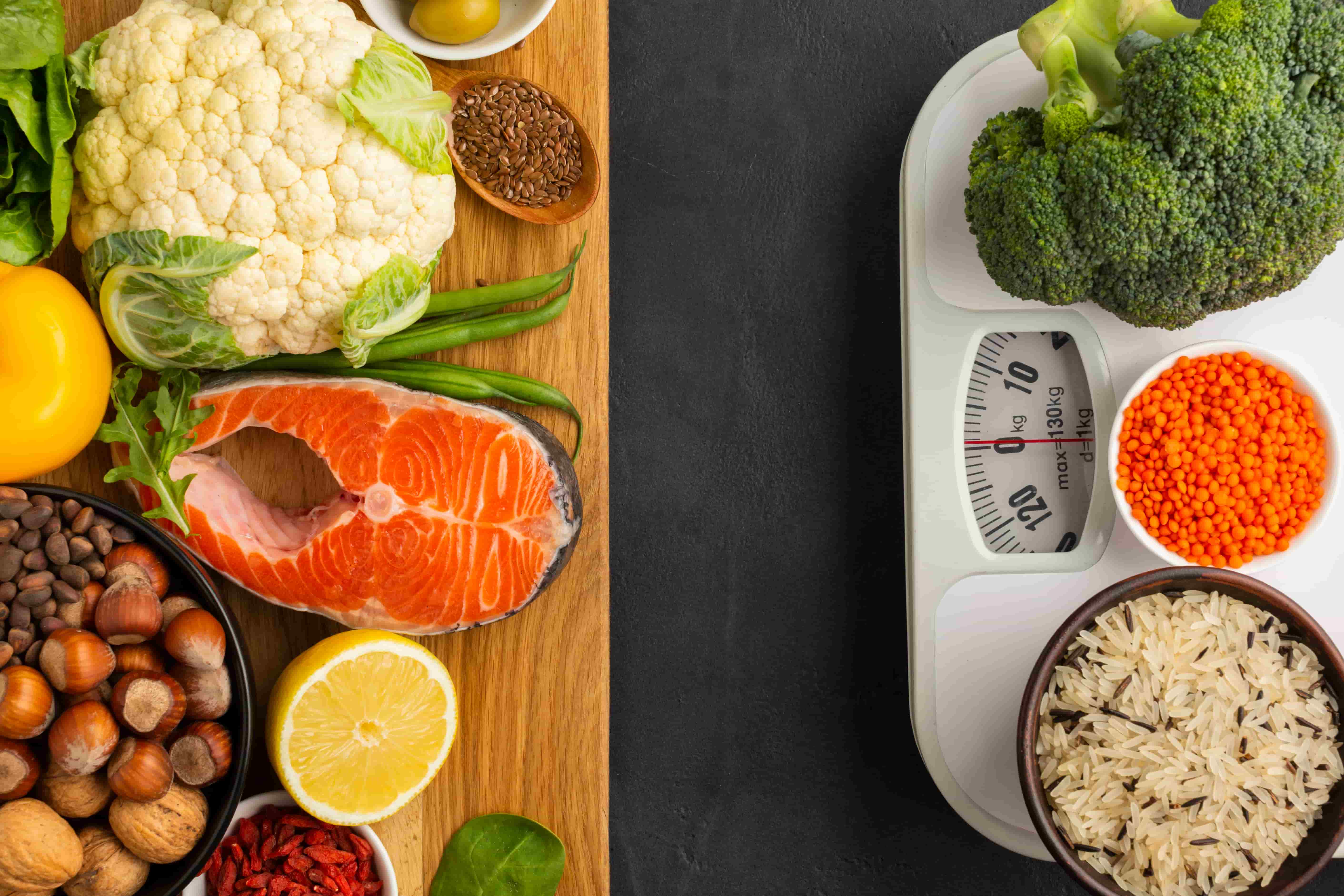
A weight loss diet should focus on nutrient-dense foods that provide important vitamins, minerals, protein, fibre, and other nutrients.
Consider including:
- Leafy green vegetables
- Cruciferous vegetables
- Seasonal fruits
- Eggs
- Fish
- Lean meat
- Legumes
- Whole grains
- Low-fat or unsweetened dairy
- Nuts and seeds
These foods can help create filling and nutritious meals without relying heavily on highly processed foods.
Foods to Limit for Better Weight Management
You do not necessarily need to completely eliminate your favourite foods. However, frequently consuming foods and drinks that are high in added sugar, refined carbohydrates, or calories can make weight management more difficult.
Consider limiting:
- Sugary drinks
- Frequent fast food meals
- Deep-fried foods
- Highly processed snacks
- Excess sweets
- Large portions of desserts
- Alcoholic beverages
The focus should be on moderation and overall dietary patterns rather than creating a list of forbidden foods.
Healthy Habits That Support Weight Loss
Nutrition is only one part of sustainable weight management.
Support your diet with habits such as:
- Regular physical activity
- Strength training
- Adequate sleep
- Stress management
- Consistent meal planning
- Drinking enough fluids
- Monitoring your progress
- Maintaining realistic goals
Strength training can be particularly useful during weight loss because it helps support muscle mass when combined with appropriate nutrition.
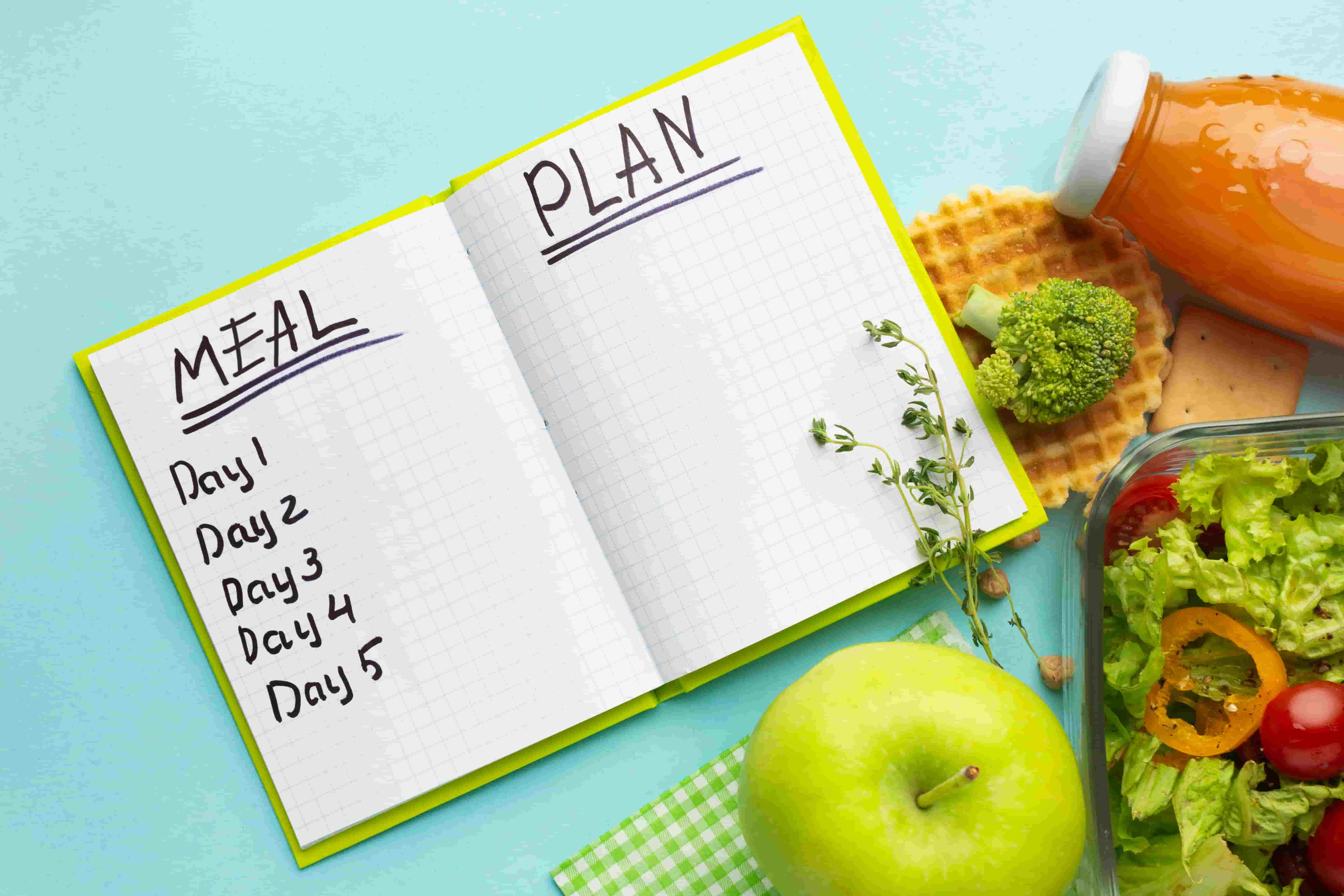
Meal Planning Can Make Healthy Eating Easier
Planning your meals before the week begins can reduce last-minute food choices.
You can prepare basic ingredients such as:
- Cooked grains
- Boiled eggs
- Grilled chicken or tofu
- Chopped vegetables
- Lentils
- Fresh fruit
- Healthy snacks
You can then combine these ingredients into different meals throughout the week.
Make Healthy Eating Easier with Mista Eats
For people with busy schedules, prepared meals can make healthy eating more convenient.
Mista Eats – Fresh, Healthy Meals Delivered offers freshly prepared, balanced meals that can be incorporated into a healthy lifestyle when you want convenient food options without preparing every meal yourself.
Whether you are focusing on weight management, increasing your protein intake, or simply trying to maintain healthier eating habits, convenient and balanced meals can make consistency easier.
Avoid Extreme Weight Loss Diets
Crash diets and highly restrictive meal plans may produce rapid changes on the scale, but they can be difficult to maintain.
Extremely low-calorie diets may also make it harder to meet your nutritional needs and maintain energy for daily activities and exercise.
Instead of asking, “How quickly can I lose weight?” focus on questions such as:
- Can I maintain this eating pattern?
- Am I getting enough protein and fibre?
- Are my meals satisfying?
- Can I follow this plan during busy weeks?
- Does this approach support my overall health?
A sustainable diet should fit your life rather than temporarily taking over your life.
Track Progress Beyond the Scale
Body weight is only one measure of progress.
You can also monitor:
- Waist measurements
- Fitness performance
- Strength
- Energy levels
- Food habits
- Sleep quality
- How consistently you follow your routine
Daily weight fluctuations are normal and can be influenced by factors such as hydration, food intake, and other short-term changes. Looking at longer-term trends can provide a more useful picture of progress.
Conclusion
Simple diet plans for healthy weight loss do not need to be restrictive or complicated. A sustainable approach focuses on balanced meals, adequate protein, fibre-rich foods, sensible portions, regular physical activity, and habits that you can maintain over time.
Instead of searching for the fastest diet, focus on creating an eating pattern that supports your health and fits your lifestyle. Small changes, repeated consistently, can make healthy weight management more achievable.
Start by improving one meal, one habit, or one food choice at a time. As these changes become part of your routine, they can contribute to a healthier and more sustainable approach to weight loss.
FAQ’s
1. What is a simple diet plan for healthy weight loss?
A simple weight loss diet focuses on balanced meals containing protein, vegetables, fibre-rich carbohydrates, and healthy fats while managing overall portions and calorie intake.
2. Can I lose weight without skipping meals?
Yes. You do not need to skip meals to lose weight. Eating balanced meals that provide protein and fibre can help manage hunger while supporting your nutritional needs.
3. What foods are best for healthy weight loss?
Protein-rich foods, vegetables, fruits, whole grains, legumes, and moderate amounts of nuts and healthy fats can form the foundation of a nutritious weight loss diet.
4. Is portion control important for weight loss?
Yes. Portion control can help manage overall calorie intake while allowing you to continue eating a wide variety of nutritious foods.
5. Can meal planning help with weight loss?
Yes. Planning meals in advance can make healthy food choices easier, reduce reliance on convenience foods, and help you maintain consistency with your weight management goals.