

Introduction
You finish a meal, but an hour or two later, you’re hungry again. At the same time, you may sometimes feel uncomfortably full or bloated after eating.
These two experiences can seem contradictory, but they may be influenced by what you eat, how quickly you eat, meal composition, hydration, sleep, stress, and individual digestive responses.
Instead of constantly snacking or eliminating foods unnecessarily, understanding your eating patterns can help you build meals that provide better satiety and support digestive health.
Why Are You Still Hungry After Eating?
1. Your Meal May Be Low in Protein
Protein generally helps promote fullness and supports muscle maintenance.
If your meal consists mainly of refined carbohydrates, you may find it less satisfying than a meal that also contains a good protein source.
Try including:
- Greek yogurt
- Fish
- Chicken
- Tofu
- Paneer
- Lentils
- Beans
- Eggs
You don’t need the same protein source at every meal. Variety can make healthy eating easier to maintain.
2. You’re Not Eating Enough Fiber
Fiber-rich foods can help increase fullness and support normal digestion.
Good sources include:
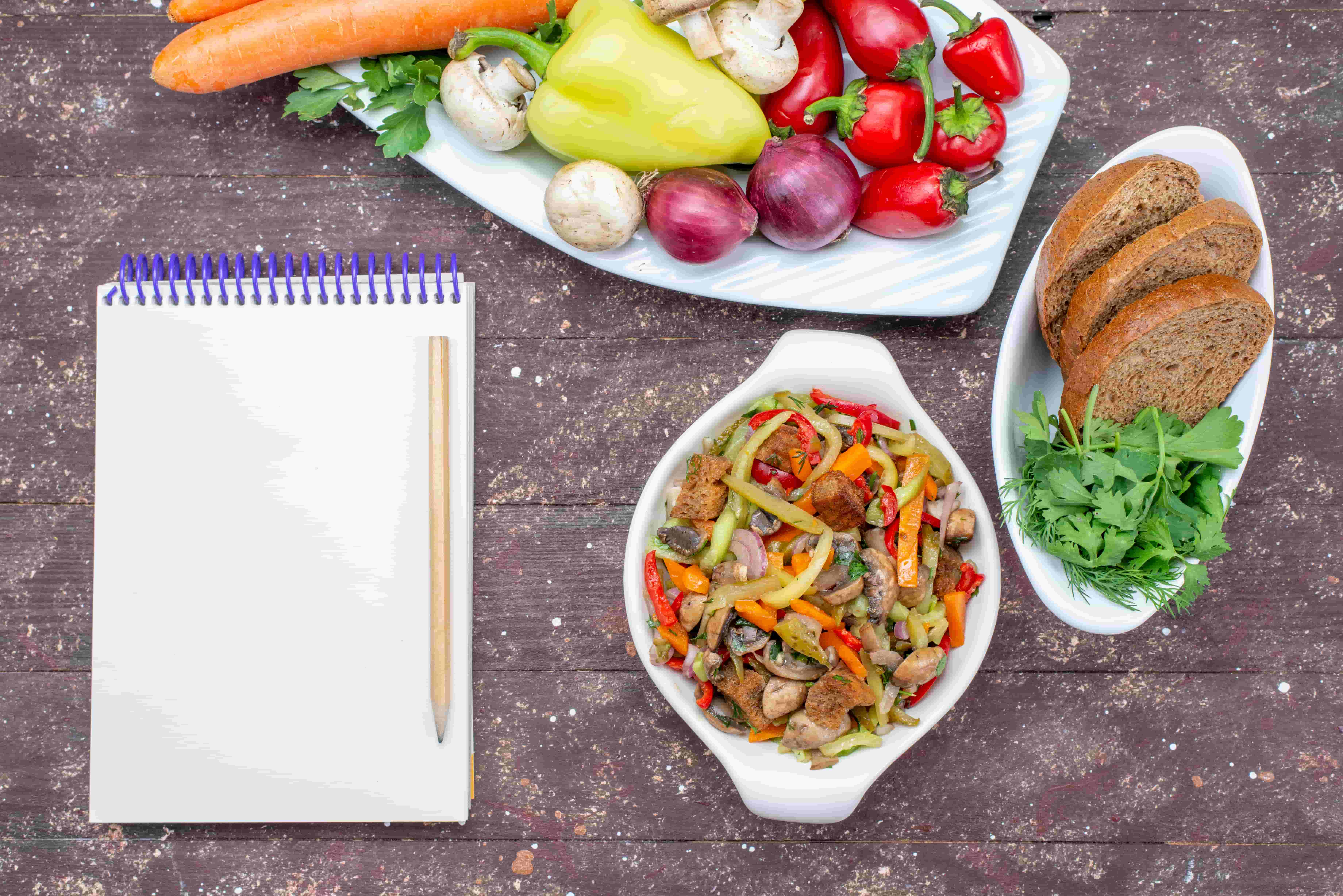
- Vegetables
- Fruits
- Oats
- Whole grains
- Lentils
- Beans
- Nuts and seeds
Increase fiber gradually and drink adequate fluids, as suddenly increasing fiber can contribute to digestive discomfort in some people.
3. Your Meals May Be Too Small or Unbalanced
A meal containing only one food group may not keep you satisfied for long.
A simple approach is to combine:
Protein + high-fiber carbohydrate + vegetables or fruit + healthy fats
For example, a lentil and vegetable bowl with brown rice and seeds can provide a broader mix of nutrients than a meal built around refined carbohydrates alone.
4. You’re Eating Too Quickly
It takes time for your body to register fullness.
Eating quickly, distracted eating, or eating while working can make it harder to notice your body’s hunger and fullness signals.
Try slowing down, chewing thoroughly, and eating without constant screen distractions when possible.
5. Sleep and Stress May Affect Appetite
Poor sleep and ongoing stress can influence appetite and food choices.
If you’re frequently hungry despite eating balanced meals, look beyond food alone. Consistent sleep, regular movement, stress management, and a predictable eating routine can all support healthier appetite regulation.
Why Do You Feel Bloated After Meals?
Bloating is a common digestive complaint, and occasional bloating does not necessarily mean something is wrong with your diet.
Possible contributors include:
- Eating very large meals
- Eating too quickly
- Suddenly increasing fiber intake
- Carbonated beverages
- Certain foods that are difficult for you to digest
- Constipation
- Food intolerances or sensitivities
Everyone responds differently to foods, so keeping a simple food-and-symptom diary can sometimes help identify patterns.
How to Reduce Bloating Naturally
Eat More Slowly
Taking your time during meals may reduce swallowed air and help you recognize fullness.
Avoid Extremely Large Meals
Instead of regularly eating very large portions, try distributing food more evenly throughout the day if that works better for your schedule.
Increase Fiber Gradually
Fiber is important for digestive health, but suddenly adding large amounts of beans, vegetables, or whole grains may cause temporary gas or bloating.
Increase portions gradually and stay adequately hydrated.
Stay Active
A short walk after meals may support digestion and help you avoid remaining sedentary for long periods.
Pay Attention to Your Personal Triggers
Don’t automatically eliminate entire food groups because you experience occasional bloating. Look for consistent patterns and discuss persistent symptoms with a healthcare professional.
What Should a Healthy, Filling Meal Look Like?
If you regularly feel hungry soon after eating, reconsider the overall composition of your meals rather than simply adding more snacks.
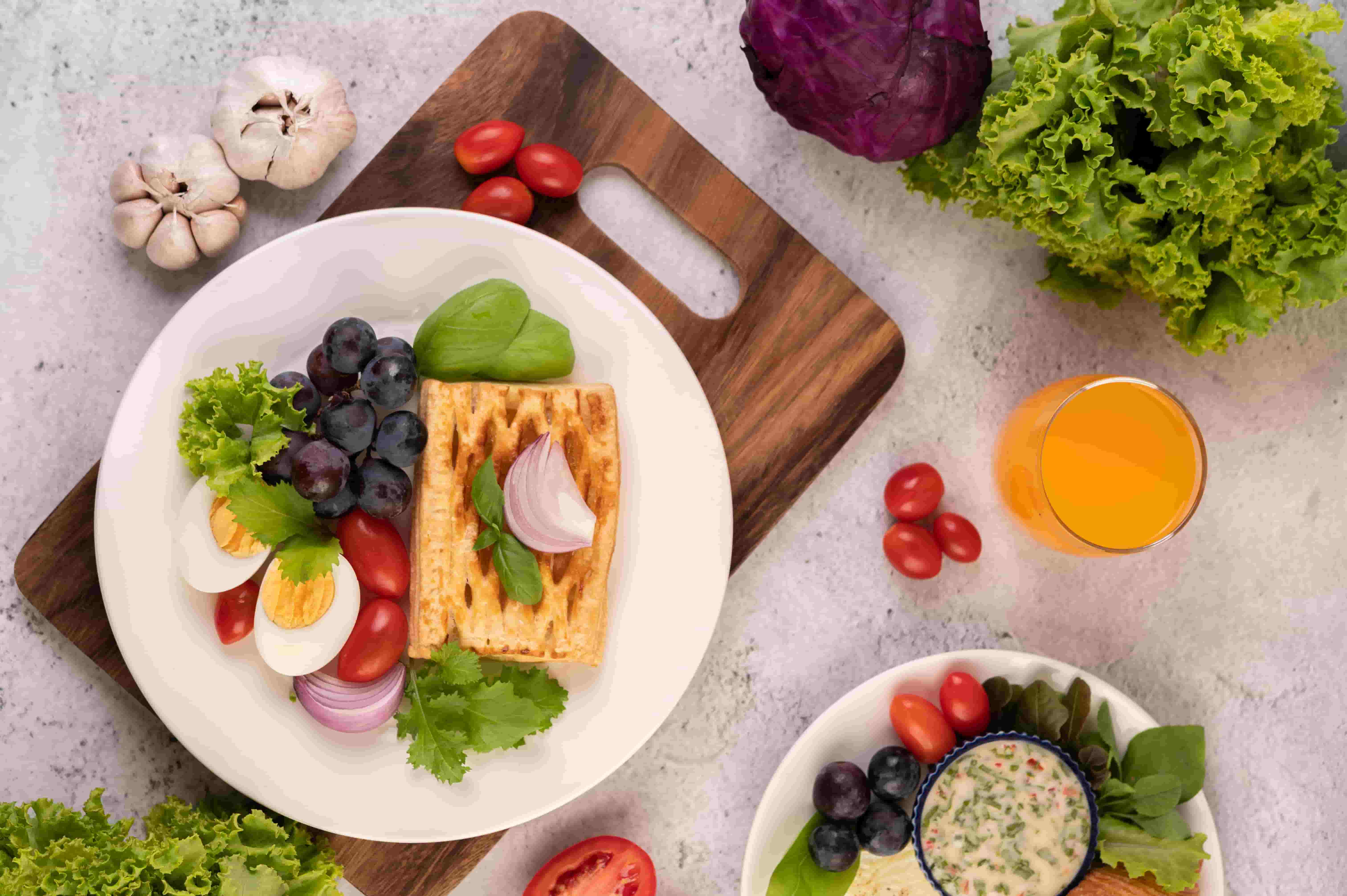
A satisfying meal could include:
Breakfast: Greek yogurt + oats + berries + nuts
Lunch: Lentils or tofu + brown rice + vegetables + yogurt
Snack: Fruit + nuts or roasted chickpeas
Dinner: Fish, paneer, or beans + whole grains + cooked vegetables
For busy schedules, convenient balanced meals can also make consistency easier. Mista Eats can be useful when you want nutritious, portion-controlled meals without spending every day planning, shopping, and cooking.
When Should You Pay Attention to Persistent Bloating or Hunger?
Occasional hunger or bloating is common. However, persistent or severe digestive symptoms deserve attention.
Speak with a healthcare professional if bloating is frequent, worsening, painful, or accompanied by unexplained weight changes, vomiting, blood in the stool, persistent diarrhea or constipation, or other concerning symptoms.
Similarly, unusually persistent hunger despite eating adequately may warrant professional evaluation, particularly when accompanied by other unexplained changes in your health.
Conclusion
If you’re constantly hungry after eating, the answer may not simply be that you’re eating too little. Your meals may need more protein, fiber, healthy fats, or overall balance.
Likewise, feeling bloated after meals doesn’t automatically mean you need to follow a restrictive diet. Eating more slowly, managing portions, increasing fiber gradually, staying active, and identifying personal food patterns can support better digestion.
Focus on balanced meals, consistent habits, and understanding your body’s signals rather than chasing quick fixes.
FAQ’s
1. Why am I hungry even after eating?
You may feel hungry after eating when meals are low in protein or fiber, portions are insufficient, or sleep, stress, and eating patterns are affecting appetite.
2. Why do I feel bloated after eating?
Bloating can be associated with large meals, eating quickly, carbonated drinks, increased fiber, constipation, or individual food sensitivities.
3. What foods help keep you full longer?
Protein-rich foods, fiber-rich vegetables and fruits, whole grains, legumes, nuts, and seeds can contribute to greater satiety when included in balanced meals.
4. Should I stop eating foods that make me bloated?
Not necessarily. Occasional bloating does not automatically indicate that a food needs to be eliminated. Look for consistent patterns and seek professional advice for persistent symptoms.
5. Can eating quickly make you feel bloated and still hungry?
Eating quickly may contribute to swallowing more air and can make it harder to recognize fullness signals, potentially contributing to both discomfort and continued eating.