
Introduction
Successful weight loss isn’t about eating as little as possible. It’s about creating sustainable eating habits that provide enough nutrition while supporting an appropriate calorie deficit.
Meal preparation can make this easier. Having balanced meals ready in advance reduces last-minute food choices and makes it simpler to include protein, fiber, vegetables, whole grains, and healthy fats throughout the week.
For people trying to lose weight while also managing concerns such as high blood sugar, high cholesterol, high blood pressure, or digestive health, the quality of the foods used in meal prep matters.
What Should a Weight Loss Meal Contain?
A healthy fat loss meal should be satisfying, nutrient-dense, and portion appropriate.
Protein
Protein can help with fullness and muscle maintenance during weight loss.
Good choices include:
- Fish
- Chicken
- Eggs
- Greek yogurt
- Tofu
- Paneer
- Lentils
- Beans
You don’t need to rely on one protein source every day. Rotating options makes meal prep more enjoyable.
Fiber-Rich Carbohydrates
Carbohydrates don’t need to be eliminated for weight loss.
Choose foods such as:
- Oats
- Brown rice
- Quinoa
- Beans
- Lentils
- Sweet potatoes
- Whole grains
These foods can provide carbohydrates along with fiber and other nutrients.
Vegetables
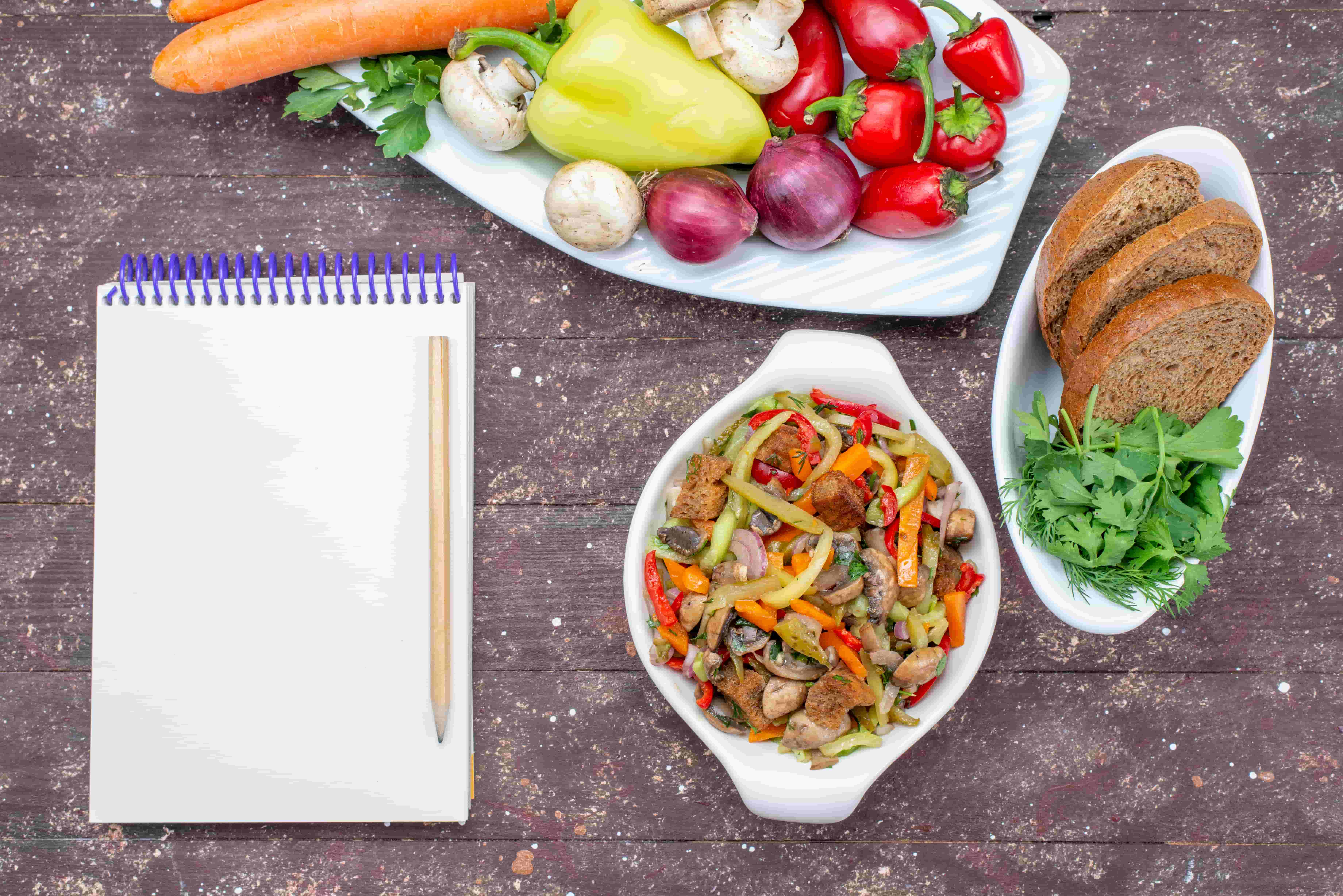
Vegetables add volume, fiber, vitamins, and minerals without contributing excessive calories.
Include options such as leafy greens, broccoli, carrots, peppers, tomatoes, cauliflower, and cucumbers.
Healthy Fats
Small portions of nuts, seeds, avocado, and olive oil can add flavor and nutrients while contributing to meal satisfaction.
7 Healthy Meal Prep Ideas for Weight Loss
1. Grilled Fish, Vegetables and Whole Grains
Combine grilled fish with roasted vegetables and a moderate portion of brown rice or quinoa.
This provides protein, fiber, and carbohydrates in one balanced meal.
2. Lentil and Vegetable Bowl
Combine cooked lentils with mixed vegetables, whole grains, and a yogurt-based dressing.
It’s a practical plant-based option that provides protein and fiber.
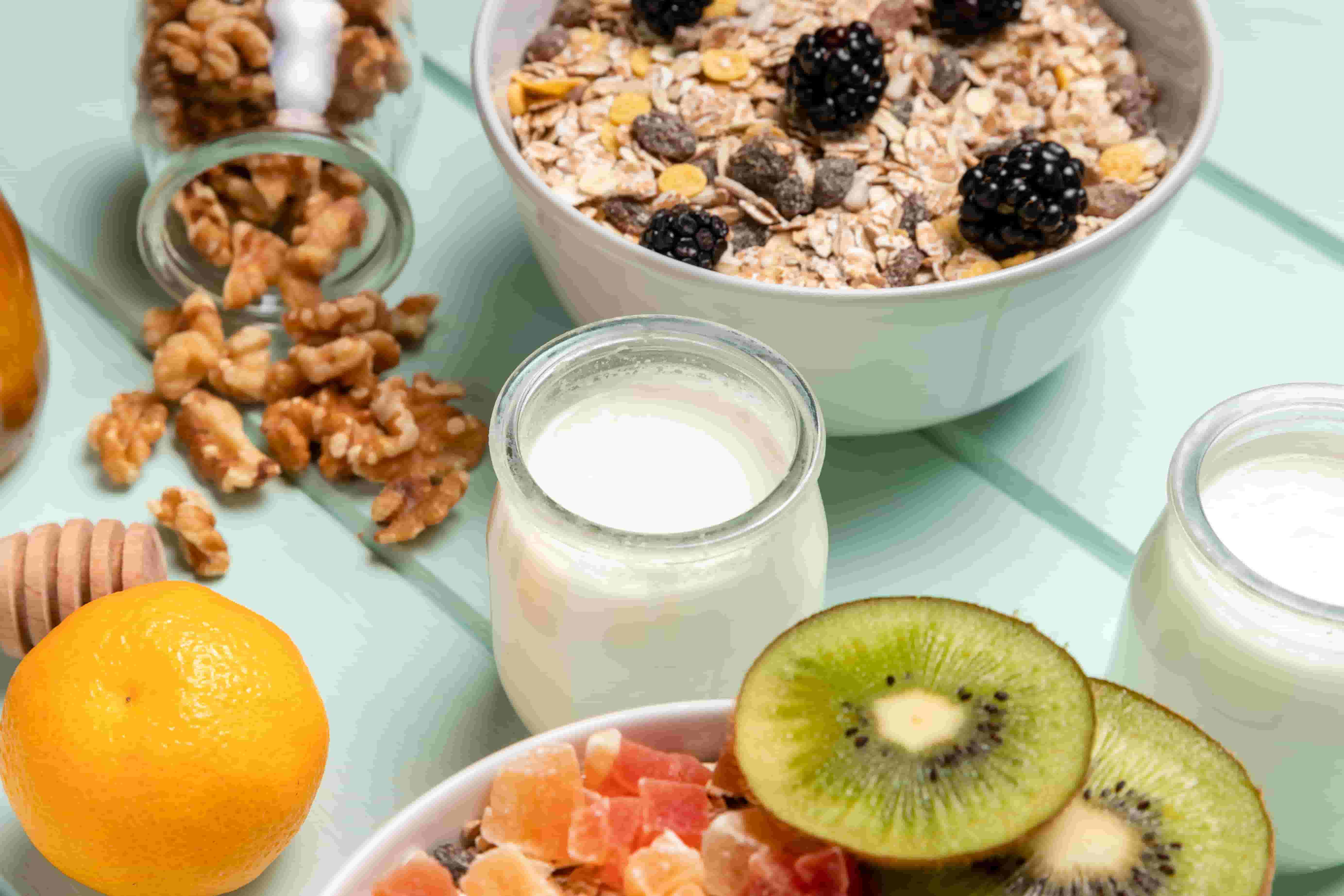
3. Greek Yogurt Overnight Oats
Combine oats, Greek yogurt, berries, chia seeds, and milk or a suitable alternative.
Prepare individual portions for a convenient breakfast.
4. Tofu and Vegetable Stir-Fry
Cook tofu with broccoli, peppers, mushrooms, and other vegetables. Serve with a moderate portion of brown rice or quinoa.
5. Chickpea Salad
Combine chickpeas with cucumber, tomatoes, leafy greens, and a light lemon-based dressing.
This works well as a make-ahead lunch.
6. Chicken and Vegetable Bowl
Use grilled chicken, roasted vegetables, and a whole-grain carbohydrate.
Adjust the portion sizes according to your nutritional needs and weight-loss plan.
7. Vegetable and Bean Soup
Bean and vegetable soup can provide fiber, protein, and plenty of vegetables.
Prepare several portions and refrigerate or freeze them for convenient meals.
Foods to Prioritize for Better Health
Weight loss meals shouldn’t focus only on calories. Consider the overall nutritional quality of your diet.
Prioritize:
- Vegetables and fruits
- Legumes and beans
- Whole grains
- Fish and lean proteins
- Nuts and seeds
- Unsweetened dairy or suitable alternatives
- Minimally processed foods
- Water and other low-sugar beverages
At the same time, limit frequent consumption of foods high in added sugars, sodium, saturated fat, and highly refined carbohydrates.
This is particularly relevant when your overall diet needs to support cardiovascular, metabolic, or digestive health.
Meal Prep Tips for Sustainable Weight Loss
Prepare Components Instead of Identical Meals
Cook proteins, grains, vegetables, and legumes separately so you can create different combinations throughout the week.
Control Portions
Even nutritious foods can contribute substantial calories when portions are very large. Pre-portioning meals can make your intake easier to manage.
Keep Healthy Foods Convenient
Wash fruit, prepare vegetables, cook grains, and portion snacks ahead of time.
Don’t Make Your Diet Too Restrictive
Extreme restriction can make a diet difficult to maintain. A sustainable approach leaves room for flexibility while keeping nutrient-dense foods at the center of most meals.
Common Weight Loss Meal Prep Mistakes
Avoid:
- Eliminating carbohydrates completely
- Eating too little protein
- Relying on processed “diet” foods
- Using excessive sauces and dressings
- Preparing portions that are too large
- Eating the same meal until you become bored
- Focusing only on calories and ignoring nutritional quality
If you have diabetes, kidney disease, cardiovascular disease, or another medical condition requiring dietary management, individualized advice from a qualified healthcare professional is important.
Make Healthy Meals Easier During Busy Weeks
Meal preparation works best when it fits your lifestyle. If shopping, cooking, portioning, and cleaning every week is difficult, convenient prepared meals can help reduce the effort involved.
Mista Eats can be an option for people looking for convenient, portion-controlled meals while trying to maintain more consistent eating habits. Having balanced meals available can make it easier to avoid impulsive food choices during particularly busy days.
Conclusion
Healthy fat loss meal prep is about creating meals that are nutritious, filling, practical, and appropriate for your individual goals.
Build meals around protein, vegetables, fiber-rich carbohydrates, and healthy fats. Prepare ingredients ahead of time, control portions, and avoid unnecessarily restrictive diets.
The goal isn’t simply to lose weight quickly. It’s to develop eating habits you can continue while supporting your overall health.
FAQ’s
1. What are the best foods for weight loss meal prep?
Protein-rich foods, vegetables, fruits, legumes, whole grains, and healthy fats are useful foundations for balanced weight-loss meals.
2. Can meal prep help with weight loss?
Yes. Preparing meals ahead can make portion control easier and reduce reliance on spontaneous, less nutritious food choices.
3. Should I avoid carbohydrates when trying to lose weight?
No. Carbohydrates can be part of a healthy weight-loss diet. Prioritize fiber-rich sources and choose portions appropriate for your individual needs.
4. What foods should I limit during weight loss?
Consider limiting frequent consumption of foods high in added sugars, excess sodium, saturated fat, and highly refined carbohydrates.
5. How long can prepared meals stay refrigerated?
Many cooked meals can generally be refrigerated safely for several days when handled and stored properly. Follow food-safety guidance and refrigerate perishable foods promptly.