
Introduction
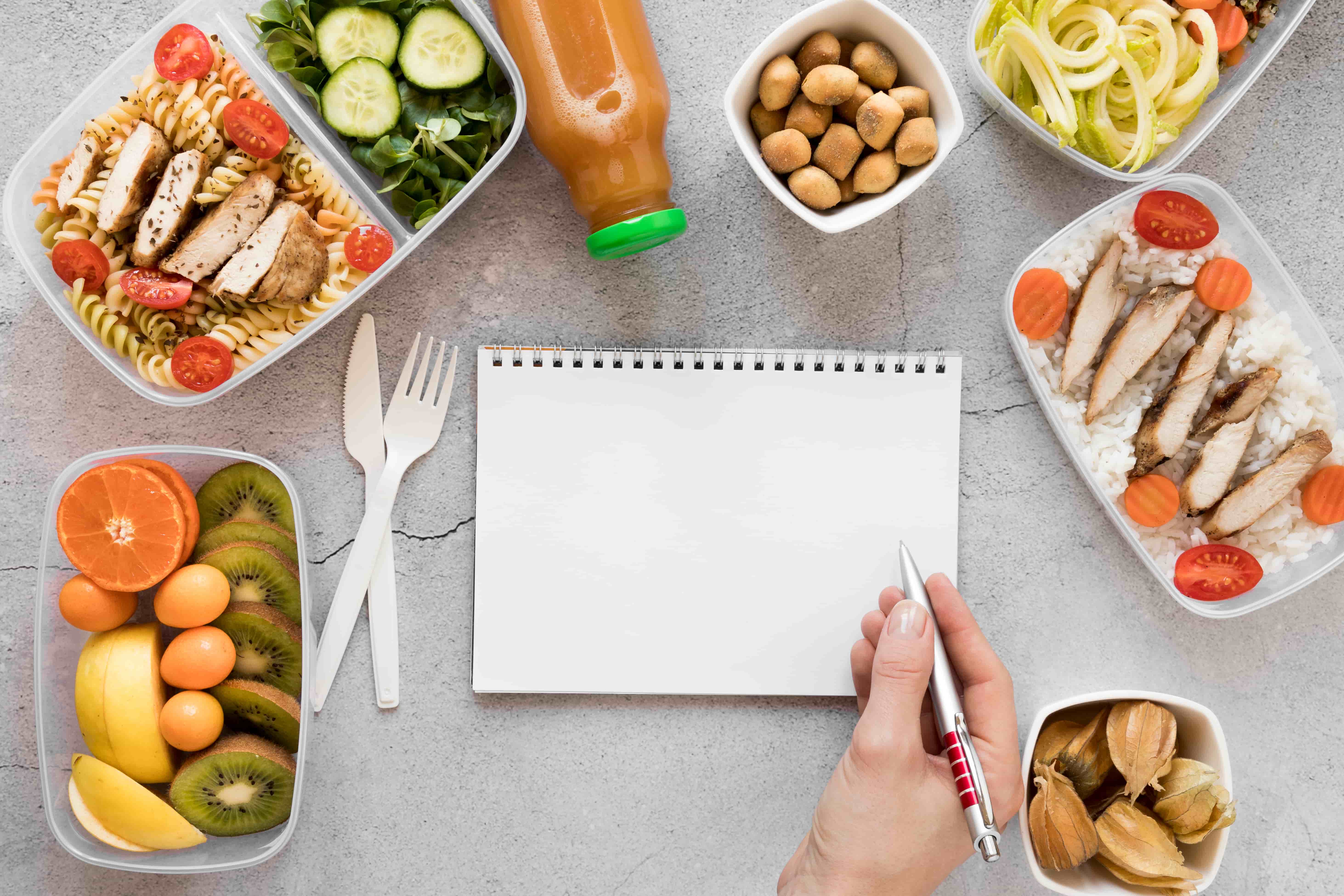
Healthy eating becomes much easier when you plan ahead. Meal prep is one of the most effective ways to save time, improve nutrition, and stay consistent with your health goals. Whether you’re trying to lose weight, build muscle, improve energy, or simply maintain a balanced diet, preparing meals in advance helps you make healthier food choices every day.
For beginners, meal prep doesn’t have to be complicated. A simple plan, nutritious ingredients, and a little preparation can help you develop sustainable eating habits while supporting your overall health and wellness.
Why Meal Prep Matters
Meal preparation is more than cooking food in advance—it’s a smart nutrition strategy that helps you maintain a balanced diet and avoid unhealthy eating habits. Having healthy meals ready reduces the temptation to order fast food or skip meals during busy days.
Meal prep helps you:
- Save time throughout the week
- Control portion sizes
- Reduce unhealthy food choices
- Minimize food waste
- Support weight management
- Improve consistency with healthy eating
- Stay on track with fitness and wellness goals
Whether you’re a student, working professional, or fitness enthusiast, meal prep makes healthy eating practical and sustainable.
Why Nutrition Is the Foundation of Healthy Meal Prep
Successful meal prep isn’t just about convenience—it starts with balanced nutrition. Every meal should provide your body with the nutrients needed to fuel daily activities, support muscle recovery, strengthen immunity, and promote long-term health.
A nutritionally balanced meal contains the right combination of protein, complex carbohydrates, healthy fats, fiber, vitamins, minerals, and water. Together, these nutrients help maintain stable energy levels, improve digestion, support brain function, and reduce the risk of nutritional deficiencies.
Rather than counting calories alone, focus on the quality of your food. Choosing nutrient-dense ingredients helps your body perform at its best while making healthy eating easier to maintain.
Essential Nutrients Every Meal Prep Should Include
Lean Protein
Protein is essential for muscle repair, immune function, metabolism, and keeping you full for longer.
Healthy protein sources include:
- Chicken
- Fish
- Eggs
- Greek yogurt
- Paneer
- Tofu
- Lentils
- Chickpeas
- Beans
Complex Carbohydrates
Complex carbohydrates provide slow-releasing energy that keeps you active throughout the day while supporting brain function and exercise performance.
Healthy choices include:
- Brown rice
- Quinoa
- Oats
- Sweet potatoes
- Whole wheat
- Millets
Healthy Fats
Healthy fats support heart health, hormone production, brain function, and help your body absorb essential vitamins.
Include foods such as:
- Avocados
- Olive oil
- Almonds
- Walnuts
- Chia seeds
- Flaxseeds
- Pumpkin seeds
Fiber, Vitamins and Minerals
Fiber improves digestion, supports gut health, and helps control hunger, while vitamins and minerals strengthen immunity, support bone health, and promote overall wellness.
Fill at least half your plate with colorful fruits and vegetables to naturally increase your intake of antioxidants, fiber, and essential micronutrients.
How to Start Meal Prepping
1. Plan Your Meals
Choose meals for the next three to five days and prepare a grocery list based on nutritious ingredients.
2. Batch Cook Core Ingredients
Prepare staple foods such as:
- Grilled chicken or tofu
- Brown rice or quinoa
- Roasted vegetables
- Boiled eggs
- Fresh salad vegetables
These ingredients can be mixed and matched to create different meals throughout the week.
3. Use Portion-Controlled Containers
Store meals in individual containers to make healthy eating convenient while helping manage portion sizes.
Healthy Meal Prep Ideas for Beginners
High-Protein Breakfast
Start your day with nutritious meals like:
- Overnight oats with chia seeds
- Greek yogurt with berries
- Boiled eggs
- Mixed nuts
Balanced Lunch Bowl
Build your lunch with:
- Lean protein
- Brown rice or quinoa
- Mixed vegetables
- Healthy dressing or hummus
Nutritious Dinner
Choose simple meals such as:
- Baked fish or tofu
- Sweet potatoes
- Steamed vegetables
- Fresh salad
Healthy Snack Boxes
Prepare healthy snacks in advance:
- Fresh fruit
- Roasted chickpeas
- Mixed nuts
- Vegetable sticks with hummus
- Yogurt
These snacks help maintain energy levels and reduce cravings between meals.
Sample Weekly Meal Prep Plan
Monday–Wednesday
- Breakfast: Overnight oats with berries
- Lunch: Grilled chicken, quinoa, and roasted vegetables
- Snack: Apple with almonds
- Dinner: Fish with sweet potatoes and greens
Thursday–Friday
- Breakfast: Greek yogurt parfait
- Lunch: Paneer or tofu grain bowl
- Snack: Roasted chickpeas
- Dinner: Vegetable stir-fry with brown rice
Rotating meals keeps your diet enjoyable while ensuring balanced nutrition throughout the week.
Common Meal Prep Mistakes to Avoid
Preparing Too Many Recipes at Once
Preparing excessive meals can become overwhelming and increase food waste.
Ignoring Meal Variety
Eating the same meals repeatedly may lead to boredom and reduced consistency.
Skipping Protein
Every meal should contain a quality protein source to support muscle health and satiety.
Forgetting Fruits and Vegetables
Include plenty of colorful produce to maximize fiber, vitamins, and minerals.
Poor Food Storage Practices
Store meals in airtight containers and refrigerate them properly to maintain freshness and food safety.
Depending on Processed Convenience Foods
Focus on whole, nutrient-rich ingredients whenever possible.
Make Healthy Eating Sustainable
Healthy eating isn’t about following strict diets—it’s about building consistent habits. Preparing balanced meals in advance helps improve nutrition, reduce stress around food, and make healthier choices every day.
When busy schedules make cooking difficult, MISTA EATS offers freshly prepared, nutritionally balanced meals made with quality ingredients. Each meal is thoughtfully designed with the right balance of lean protein, complex carbohydrates, healthy fats, and fiber to support healthy eating, fitness goals, weight management, and overall wellness. It’s a convenient way to stay consistent with your nutrition without spending hours planning, shopping, or cooking.
Conclusion
Meal prep is one of the easiest ways to improve nutrition and build healthier eating habits. By preparing balanced meals that include lean protein, complex carbohydrates, healthy fats, fruits, vegetables, and fiber, you can support your energy levels, digestion, fitness goals, and long-term health.
Start with a simple plan, focus on nutrient-rich foods, and stay consistent. Small improvements in your nutrition today can create lasting benefits for your overall health and well-being.
FAQ’s
1. What is meal prep?
Meal prep is the process of planning, preparing, and storing meals in advance to make healthy eating easier, more convenient, and nutritionally balanced.
2. How long do meal-prepped meals stay fresh?
Most properly refrigerated meals remain fresh for 3–5 days when stored in airtight containers.
3. Is meal prep good for weight management?
Yes. Meal prep supports portion control, balanced nutrition, and consistent healthy eating habits, making it easier to manage weight.
4. What foods are best for meal prep?
Ideal meal prep foods include:
- Lean proteins
- Whole grains
- Fruits and vegetables
- Legumes
- Healthy fats
- High-fiber foods
5. Can beginners start meal prepping easily?
Absolutely. Begin by planning meals for a few days, batch-cooking staple ingredients, and gradually creating a routine that suits your lifestyle.