
Introduction
Losing weight is not about starving yourself or following extreme diet plans. Sustainable fat loss comes from making smarter food choices that help your body stay energized, satisfied, and nutritionally balanced. The best foods for fat loss are those that support a healthy calorie deficit while providing essential nutrients, protein, fiber, and healthy fats.
Whether you are a busy professional, fitness enthusiast, or someone beginning a wellness journey, understanding which foods can support your weight-loss goals can make a significant difference.
Why Food Choices Matter for Fat Loss
Many people focus only on calorie counting when trying to lose weight. While calories are important, the quality of food matters just as much.
Nutrient-dense foods help:
- Control hunger and cravings
- Improve metabolism
- Preserve lean muscle mass
- Support digestion
- Provide sustained energy throughout the day
- Prevent overeating
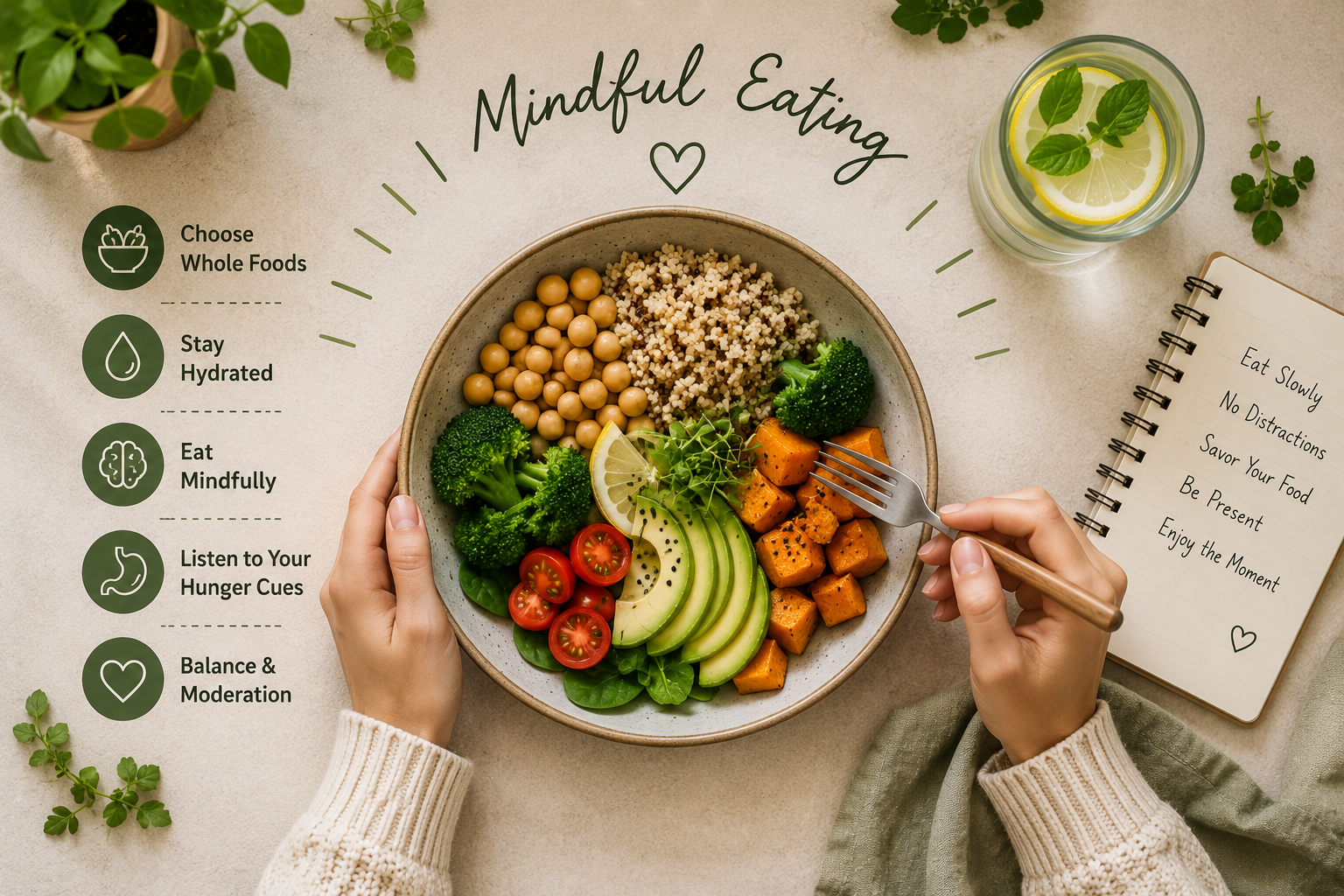
A balanced approach that includes protein, fiber, healthy fats, and whole foods can help create long-term fat-loss results.
1. Lean Protein Sources
Protein is one of the most effective nutrients for fat loss. It increases satiety, helps preserve muscle mass, and requires more energy to digest compared to carbohydrates and fats.
Best Protein Foods for Fat Loss
- Grilled chicken breast
- Fish and seafood
- Eggs
- Greek yogurt
- Cottage cheese
- Tofu and tempeh
- Lentils and beans
Benefits
- Keeps you full for longer
- Reduces unnecessary snacking
- Supports muscle maintenance during weight loss
- Helps improve metabolism
2. Fiber-Rich Vegetables
Vegetables are naturally low in calories but high in volume, making them ideal for weight management.
Top Vegetables for Fat Loss
- Broccoli
- Spinach
- Kale
- Cauliflower
- Cucumber
- Bell peppers
- Zucchini
Benefits
- Improves digestion
- Supports gut health
- Helps control appetite
- Provides essential vitamins and minerals
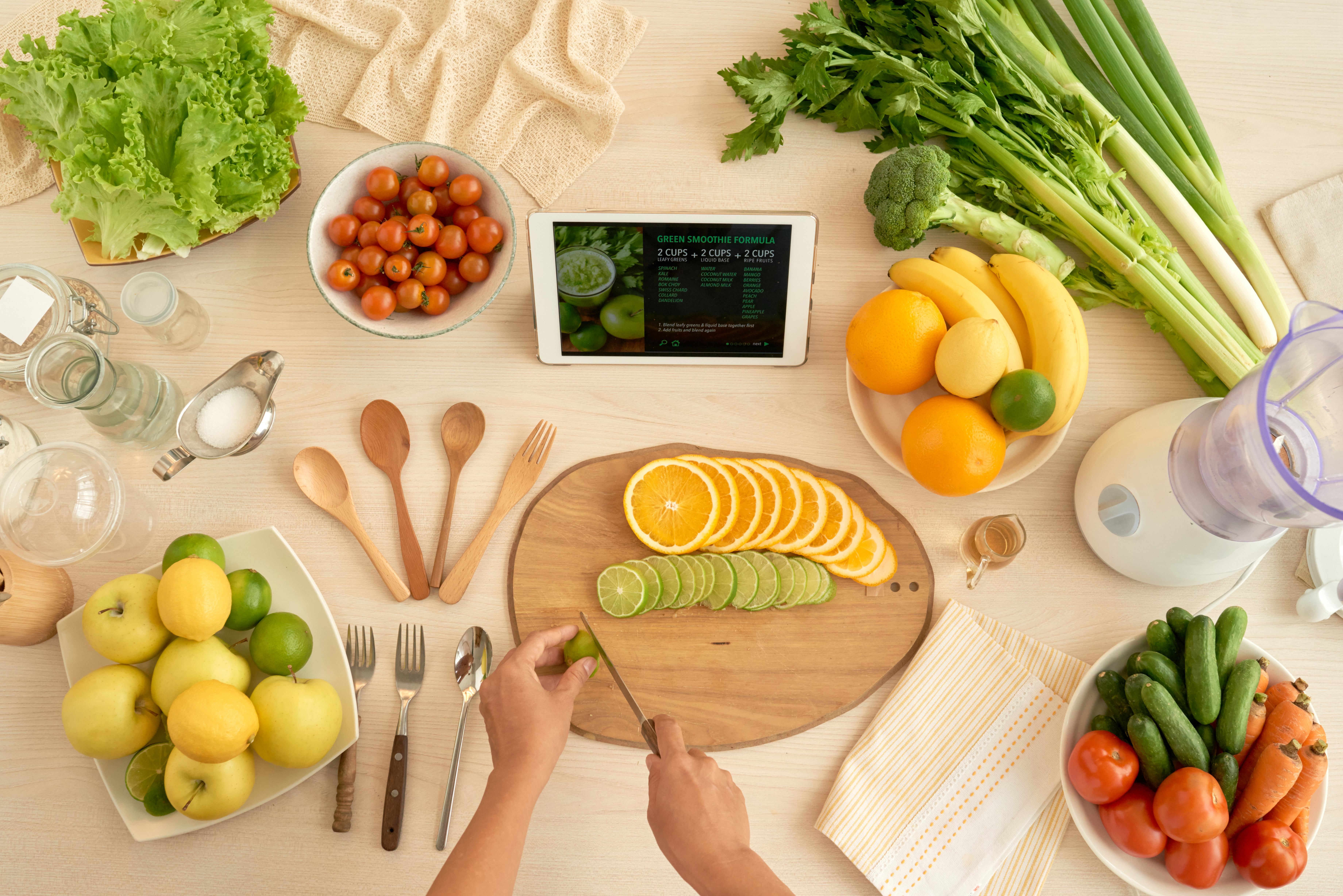
Adding vegetables to every meal can help reduce overall calorie intake without sacrificing satisfaction.
3. Whole Fruits
Many people avoid fruit because of natural sugars, but fruits provide valuable fiber, antioxidants, and nutrients that support healthy weight management.
Best Fruits for Weight Loss
- Apples
- Berries
- Oranges
- Pears
- Grapefruit
- Watermelon
Benefits
- Naturally sweet and satisfying
- Rich in antioxidants
- Helps reduce cravings for processed desserts
- Supports hydration
4. Healthy Fats
Healthy fats are often misunderstood. In moderation, they can actually support fat loss by helping you stay full and satisfied.
Healthy Fat Sources
- Avocados
- Nuts
- Seeds
- Olive oil
- Fatty fish
- Nut butters
Benefits
- Promotes satiety
- Supports hormone function
- Helps absorb fat-soluble vitamins
- Reduces unhealthy cravings
5. Whole Grains
Whole grains provide sustained energy and contain more fiber than refined carbohydrates.
Best Whole Grains
- Oats
- Brown rice
- Quinoa
- Barley
- Whole wheat products
Benefits
- Supports stable blood sugar levels
- Improves digestion
- Keeps energy levels consistent
- Reduces hunger between meals
6. Legumes and Pulses
Legumes offer a powerful combination of protein and fiber, making them highly effective for weight management.
Examples
- Chickpeas
- Black beans
- Kidney beans
- Lentils
- Green peas
Benefits
- High satiety value
- Budget-friendly nutrition
- Supports digestive health
- Helps reduce overall calorie consumption
7. Fat-Burning Foods for Weight Loss
While no food magically burns body fat, some foods may support metabolism and healthy eating habits.
Popular Fat-Burning Foods
Green Tea
Contains compounds that may support metabolism when combined with exercise and a balanced diet.
Chili Peppers
Contain capsaicin, which may temporarily increase calorie expenditure.
Coffee
Can enhance energy and workout performance when consumed in moderation.
Protein-Rich Foods
Protein naturally increases the body’s calorie-burning process through digestion.
High-Fiber Foods
Fiber slows digestion and helps manage hunger throughout the day.
Sample Fat Loss Meal Plan for Busy Professionals
Breakfast
Vegetable omelet with oats and fresh fruit
Mid-Morning Snack
Greek yogurt with berries
Lunch
Grilled chicken, brown rice, and mixed vegetables
Evening Snack
Handful of almonds and green tea
Dinner
Salmon or tofu with quinoa and roasted vegetables
This balanced meal structure helps provide protein, fiber, healthy fats, and essential nutrients throughout the day.
Common Mistakes That Slow Fat Loss
Skipping Meals
Skipping meals often leads to overeating later.
Relying on Fad Diets
Extreme diets can be difficult to maintain and may lead to nutrient deficiencies.
Drinking Calories
Sugary beverages can add significant calories without providing satiety.
Not Eating Enough Protein
Low protein intake can increase hunger and make fat loss more challenging.
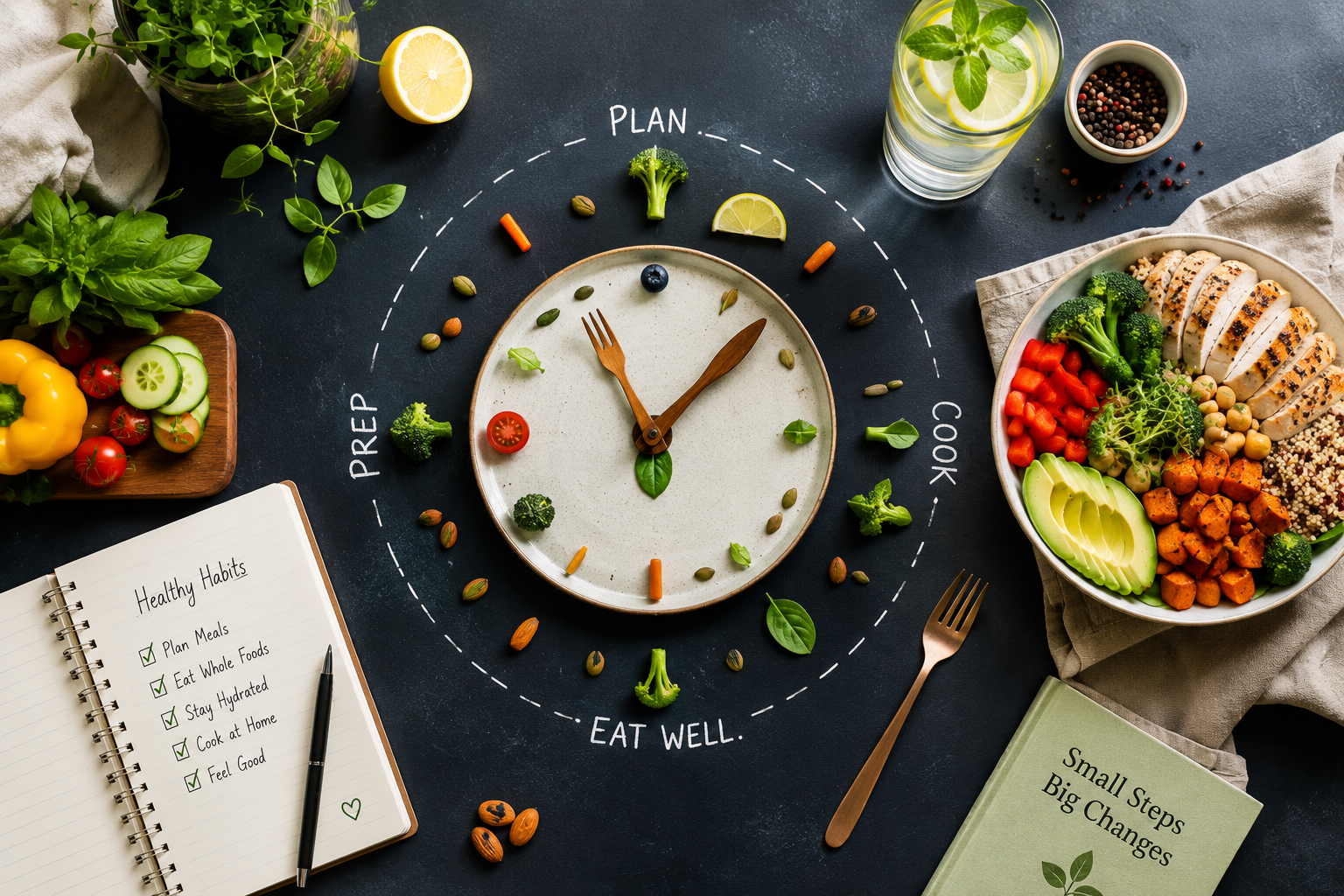
Lack of Meal Planning
Unplanned eating often results in poor food choices during busy workdays.
How Working Professionals Can Stay Consistent
One of the biggest challenges for professionals is maintaining healthy eating habits despite packed schedules.
To stay on track:
- Prepare meals in advance
- Choose balanced portions
- Prioritize protein at every meal
- Keep healthy snacks available
- Stay hydrated throughout the day
- Follow a consistent eating schedule
Convenient, nutritionally balanced meal solutions can also help reduce decision fatigue and support healthy lifestyle goals.
Conclusion
The best foods for fat loss are not exotic superfoods or restrictive diet products. They are everyday nutrient-dense foods that provide protein, fiber, healthy fats, vitamins, and minerals while helping you maintain a calorie deficit.
Building meals around lean proteins, vegetables, fruits, whole grains, and healthy fats can help create sustainable habits that support long-term weight management. Consistency, balanced nutrition, and smart food choices remain the foundation of successful fat loss.
By focusing on whole foods and practical eating habits, you can achieve your goals while maintaining energy, productivity, and overall well-being.
FAQ
1. What are the best foods for fat loss?
Lean proteins, vegetables, fruits, legumes, whole grains, and healthy fats are among the best foods for fat loss.
2. Do fat-burning foods really work?
No food directly burns fat, but certain foods can support metabolism, appetite control, and healthy weight management.
3. Is protein important for weight loss?
Yes. Protein helps maintain muscle mass, reduces hunger, and increases satiety.
4. Can busy professionals lose weight with meal planning?
Yes. Structured meal planning helps improve consistency, portion control, and food quality.
5. How often should I eat for fat loss?
The ideal meal frequency varies by individual, but consistency and total calorie intake are most important.