

Introduction
Feeling hungry is a normal signal that your body needs energy. But if you’re always hungry, constantly thinking about food, or reaching for snacks shortly after meals, your eating pattern may need a closer look.
Frequent hunger can sometimes be linked to meals that are low in protein or fiber, long gaps between meals, poor sleep, stress, dehydration, or simply increased physical activity.
Understanding the possible reasons can help you build healthier eating habits instead of constantly trying to ignore hunger.
Why Do You Feel Hungry All the Time?
1. Your Meals May Not Be Filling Enough
Meals built mostly around refined carbohydrates or sugary foods may provide energy without keeping you satisfied for long.
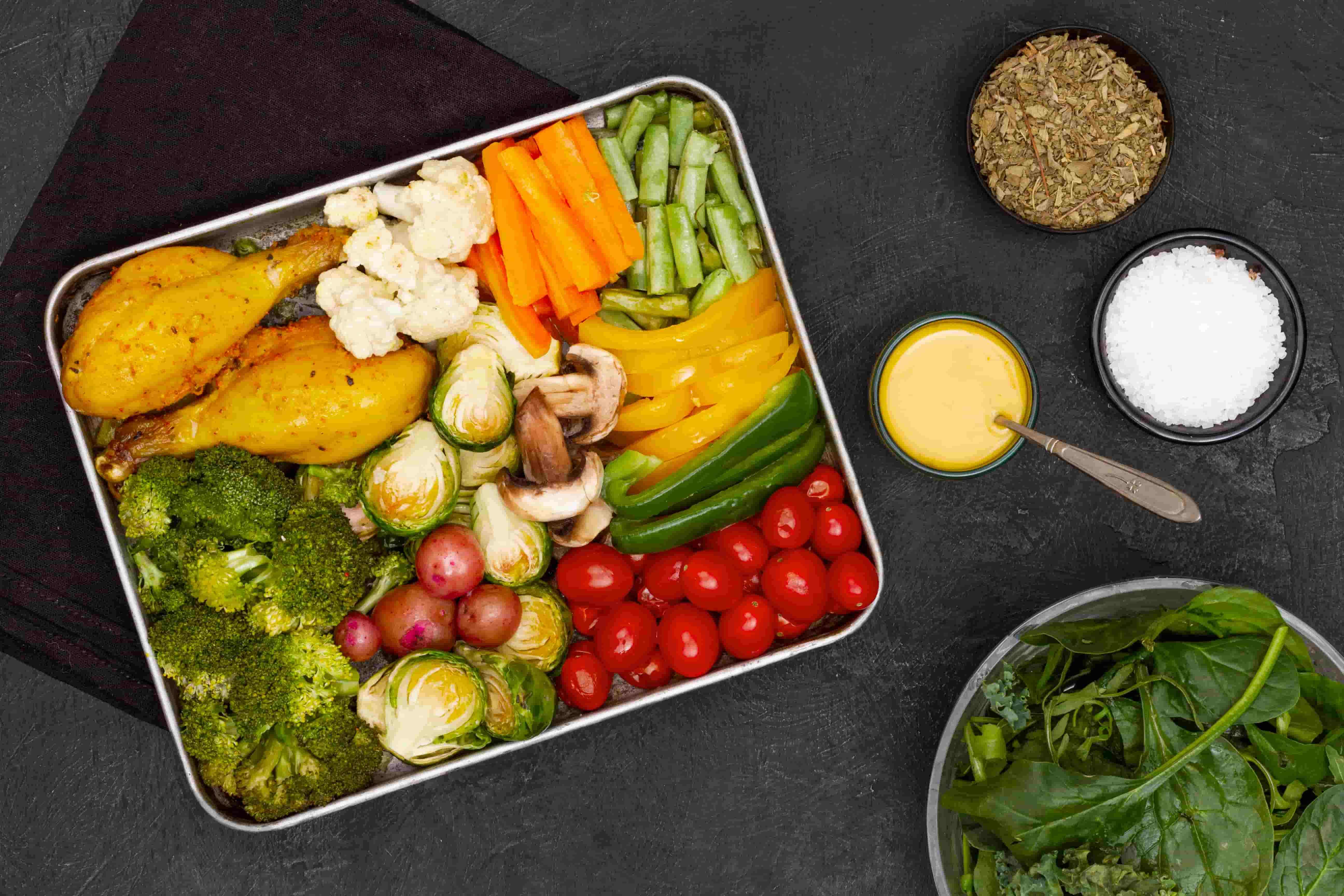
Try combining protein, fiber-rich carbohydrates, vegetables or fruit, and healthy fats to create more balanced meals.
2. You’re Not Eating Enough Protein
Protein can contribute to fullness and is important for maintaining and repairing body tissues.
Include foods such as:
- Eggs
- Greek yogurt
- Fish
- Chicken
- Tofu
- Paneer
- Beans
- Lentils
3. You’re Missing Fiber
Fiber-rich foods generally take longer to digest and can help meals feel more satisfying.
Good options include vegetables, fruits, oats, whole grains, beans, lentils, nuts, and seeds.
4. You’re Sleeping Poorly
Sleep and appetite are closely connected. Consistently getting too little sleep may affect hunger and appetite regulation, making it harder to recognize normal hunger and fullness signals.
5. You’re Extremely Busy or Physically Active
If you’re exercising frequently, walking more, working long hours, or simply spending a demanding day on your feet, increased hunger may be your body’s way of asking for additional energy.
Instead of automatically suppressing hunger, consider whether your meals are providing enough nourishment.
Healthy Snack Ideas for Work
Busy workdays often lead to vending-machine snacks or skipped meals. Keeping nutritious options nearby can make a major difference.
Try:
- Greek yogurt with fruit
- Apple with peanut or nut butter
- Nuts and seeds
- Roasted chickpeas
- Whole-grain crackers with hummus
- Fruit with cottage cheese
- Oat-based energy bites
Choose snacks based on your hunger and the time until your next meal.
Healthy Snacks for College
College schedules can be unpredictable, making portable nutrition especially useful.
Pack options such as:
- Bananas or apples
- Trail mix with nuts and seeds
- Roasted chickpeas
- Yogurt
- Whole-grain sandwiches
- Nut butter with fruit
- Homemade oat bars
Keeping snacks in your bag can help you avoid going for long periods without eating.
Healthy Snacks for Busy Days
When you have meetings, errands, classes, or travel plans, convenience matters.
A useful snack should ideally be easy to carry, satisfying, and nutritionally balanced.
Fruit + Protein
Apple + Greek yogurt.
Carbohydrate + Healthy Fat
Whole-grain toast + nut butter.
Fiber + Protein
Roasted chickpeas + fruit.
Dairy + Fruit
Cottage cheese + berries.
You don’t need complicated recipes to eat well.
When Frequent Hunger May Need Attention
Occasional hunger is normal. However, persistent or unusually intense hunger accompanied by symptoms such as excessive thirst, frequent urination, unexplained changes in body weight, unusual fatigue, or other concerning changes should not simply be attributed to poor eating habits.
If these symptoms persist, speak with a qualified healthcare professional to identify the underlying cause.
Make Healthy Snacking Easier
Healthy eating becomes more manageable when nutritious food is convenient.
If you have little time to prepare meals, Mista Eats can provide convenient, balanced meal options that fit into busy workdays and demanding schedules. Having nutritious meals available can reduce the need to rely on whatever food happens to be easiest to find when you’re hungry.
The goal is not to eliminate snacking. It’s to make your everyday food choices more nourishing and practical.
Build a Healthier Relationship With Hunger
Hunger isn’t something you always need to fight.
Instead, learn to recognize what your body may be communicating.
Ask yourself:
- When did I last eat?
- Did my last meal contain protein and fiber?
- Am I actually hungry or simply bored or stressed?
- Have I been sleeping well?
- Have I been drinking enough fluids?
- Has my physical activity increased?
These questions can help you understand your eating patterns without unnecessary restriction.
Conclusion
Being always hungry doesn’t automatically mean you have poor eating habits. Your hunger may reflect your meal composition, activity level, sleep, stress, or overall eating pattern.
Build meals around nutritious foods, keep healthy snacks available for work and college, and listen to your body’s hunger signals. Most importantly, don’t aim for a perfect diet. Aim for an eating routine that provides enough nourishment and works realistically with your lifestyle.
FAQ’s
1. Why am I always hungry even after eating?
Frequent hunger may be related to meals that are low in protein or fiber, long gaps between meals, increased activity, poor sleep, stress, or other individual factors.
2. What is a healthy snack for work?
Greek yogurt with fruit, nuts, roasted chickpeas, fruit with nut butter, hummus with whole-grain crackers, and cottage cheese with fruit are practical options.
3. What are good healthy snacks for college students?
Portable options such as fruit, nuts and seeds, roasted chickpeas, yogurt, whole-grain sandwiches, and oat-based snacks can work well around busy college schedules.
4. Should I ignore hunger between meals?
Not necessarily. If you’re genuinely hungry, a nutritious snack can be a useful part of your eating routine. Consider whether your previous meal provided enough protein, fiber, and overall nourishment.
5. When should frequent hunger be discussed with a doctor?
If persistent hunger occurs alongside symptoms such as excessive thirst, frequent urination, unusual fatigue, or unexplained changes in body weight, consider discussing these symptoms with a healthcare professional.