

Introduction
Eating well can become difficult when your schedule is packed. Long workdays, commuting, appointments, family responsibilities, and unexpected plans can make convenience food seem like the only option.
But healthy nutrition doesn’t require elaborate recipes or hours in the kitchen.
The key is to build simple eating habits that work when your schedule is unpredictable. A few practical strategies can help you get enough protein, fiber, carbohydrates, healthy fats, vitamins, and minerals without making food preparation another stressful task.
Build Quick Balanced Meals
When you have limited time, focus on the structure of your meal rather than complicated recipes.
Try combining:
- Protein: Eggs, Greek yogurt, chicken, fish, tofu, paneer, beans, or lentils
- Carbohydrates: Oats, rice, whole-grain bread, potatoes, or fruit
- Vegetables or fruit: Fresh, frozen, or pre-cut options
- Healthy fats: Nuts, seeds, avocado, or olive oil
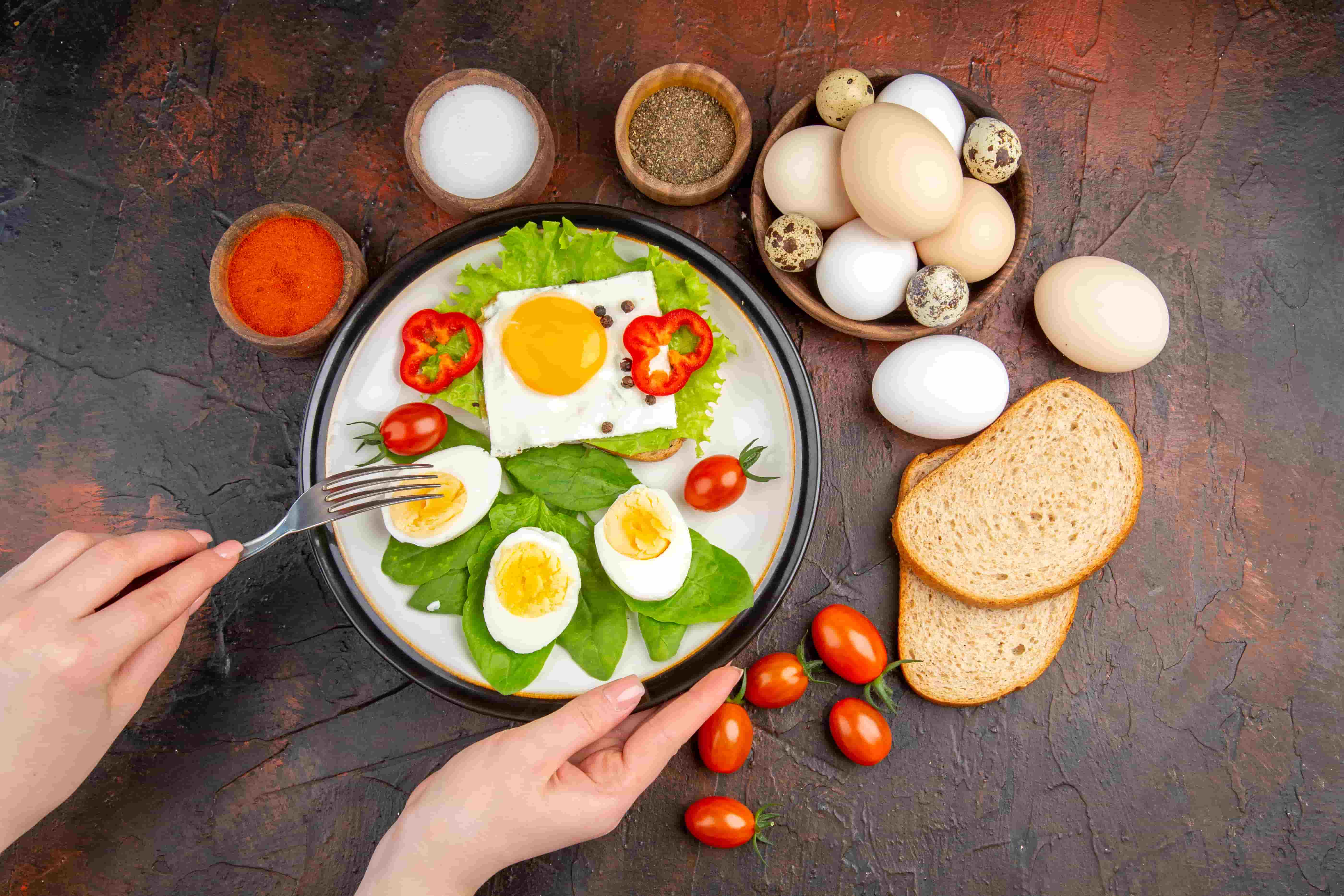
A simple combination such as eggs with whole-grain toast and fruit can provide a practical breakfast without extensive preparation.
Keep Healthy Foods Ready
One of the easiest ways to eat better when you’re busy is to reduce the amount of preparation required.
Keep convenient options available, such as:
- Washed and cut vegetables
- Fresh fruit
- Greek yogurt
- Boiled eggs
- Roasted chickpeas
- Nuts and seeds
- Whole-grain wraps
- Canned beans or tuna
When nutritious foods are easy to access, you’re less dependent on whatever happens to be available when hunger strikes.
Don’t Skip Meals Just Because You’re Busy
A packed schedule can cause you to go several hours without eating and then reach for whatever is quickest.
Instead, keep simple snacks available between meals. A piece of fruit with yogurt, nuts with fruit, or a whole-grain snack with a protein source can help you stay nourished during a busy day.
Your eating schedule doesn’t need to be perfect. The goal is to make nutritious choices more practical.
How to Eat Healthy While Traveling
Travel can make healthy eating more challenging because your normal kitchen, grocery store, and routine may not be available.
However, you don’t need to avoid restaurants or enjoy only “perfect” foods while traveling.
Instead, focus on making balanced choices whenever possible.
Choose Balanced Meals at Restaurants
When eating out, look for meals that include several food groups.
For example:
- Grilled fish with vegetables and rice
- Chicken or tofu with a grain and salad
- Vegetable and bean bowls
- Eggs with whole-grain toast and fruit
- Yogurt with fruit and oats
You can also ask for sauces or dressings separately when possible and adjust portions based on your hunger.
Pack Smart Travel Snacks
Having nutritious snacks with you can be especially useful during long flights, road trips, train journeys, or airport delays.
Consider carrying:
- Nuts and seeds
- Fresh or dried fruit
- Whole-grain crackers
- Protein-rich snack options
- Roasted chickpeas
- Nut butter packets
- Oat-based snacks
For longer journeys, consider food safety and storage requirements, particularly for foods that need refrigeration.
Stay Hydrated While Traveling
Changes in routine, long journeys, warm climates, and increased physical activity can affect your fluid needs.
Keep water accessible and drink regularly according to your thirst, activity level, and environment. Water-rich foods such as fruits and vegetables can also contribute to overall fluid intake.
Don’t Let Travel Turn Nutrition Into Restriction
Healthy eating while traveling doesn’t mean avoiding every dessert, restaurant meal, or local specialty.
Food is also part of experiencing different cultures.
Instead of labeling foods as completely “good” or “bad,” aim for overall balance. Enjoy local foods while including nutritious meals throughout your trip.
Use a Simple 3-Part Nutrition Check
When you’re unsure what to choose, ask:
1. Where is my protein?
Look for eggs, dairy, fish, meat, beans, lentils, tofu, or other protein-rich foods.
2. Where are my plants?
Add vegetables, fruit, legumes, or other plant foods when available.
3. What will give me lasting energy?
Choose carbohydrates and healthy fats that complement the meal and your activity level.
This simple framework works at home, in restaurants, at airports, and while traveling internationally.
Make Healthy Eating More Convenient
Healthy nutrition becomes easier when convenience doesn’t have to mean highly processed food.
For especially busy days, Mista Eats can provide convenient balanced meal options that fit into demanding schedules. Having ready-to-eat meals available can reduce the pressure to cook when work or travel preparation leaves little time for meal planning.
The goal is not to follow a complicated food routine. It’s to make nutritious choices easier to repeat.
Conclusion
Eating healthy when you have no time or while traveling is possible without following a complicated diet.
Prioritize balanced meals, keep nutritious snacks available, include protein and plant foods, stay hydrated, and prepare for busy days before they happen. When traveling, focus on overall balance rather than trying to eat perfectly at every meal.
The most useful nutrition routine is one that can adapt to real life – busy workdays, unexpected plans, restaurants, airports, and new destinations included.
FAQ’s
1. How can I eat healthy when I have no time to cook?
Keep quick foods such as eggs, yogurt, fruit, nuts, whole-grain bread, vegetables, beans, and other simple ingredients available. Ready-made balanced meals can also save time.
2. What are healthy foods to take while traveling?
Depending on the journey and storage conditions, nuts, seeds, fruit, roasted chickpeas, whole-grain crackers, and other shelf-stable nutritious snacks can be convenient options.
3. How can I eat healthy at restaurants while traveling?
Look for meals that combine protein, vegetables or fruit, and a carbohydrate source. Choose portions that suit your hunger and enjoy local foods as part of an overall balanced eating pattern.
4. Should I avoid local foods while traveling?
No. Trying local foods can be an important part of travel. Aim for overall nutritional balance rather than restricting yourself from foods you enjoy.
5. How do I maintain healthy eating habits during a busy schedule?
Plan a few simple meals, keep nutritious snacks accessible, prepare ingredients ahead when possible, and use convenient balanced meal options when cooking isn’t practical.