

Introduction
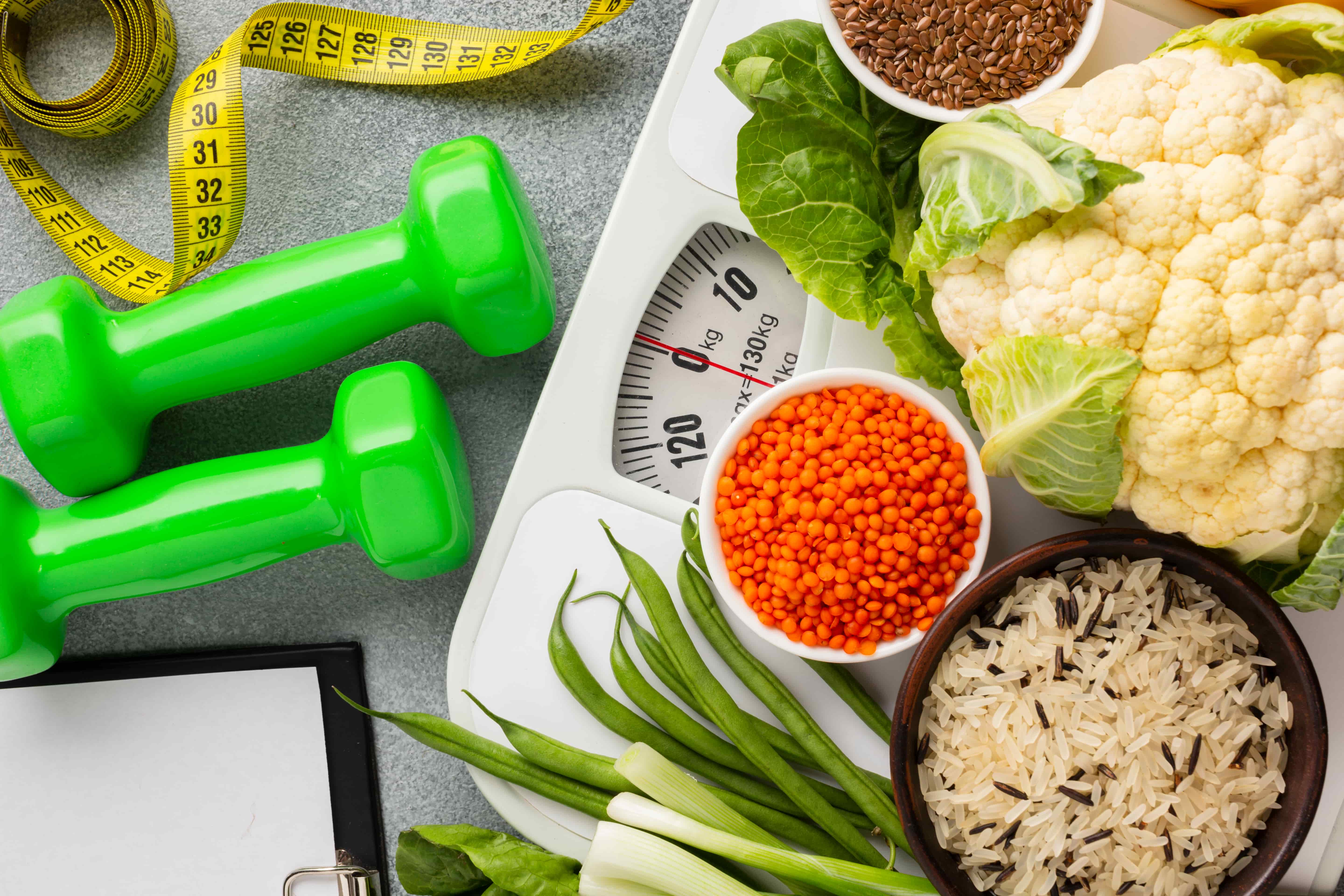
Starting a fitness journey is exciting, but staying motivated often depends on seeing real progress. Many people rely only on the weighing scale, but fitness is much more than just body weight. Strength, endurance, body composition, energy levels, and healthy eating habits all play a role.
Understanding fitness progress tracking helps you measure improvements accurately and stay focused on long-term health. Whether your goal is weight loss, muscle gain, or improved fitness, tracking the right metrics can help you make smarter decisions and achieve better results.
Why Fitness Progress Tracking Matters
Tracking your progress helps you understand what’s working and where adjustments are needed. Instead of relying on guesswork, you can make informed decisions about your workouts, nutrition, and lifestyle.
Benefits include:
- Keeps you motivated
- Helps you stay consistent
- Identifies plateaus early
- Improves workout performance
- Supports healthier eating habits
- Makes fitness goals more achievable
Best Fitness Tracking Tips
1. Set Clear and Realistic Goals
Start by defining measurable goals such as:
- Lose 5 kg in 3 months
- Walk 10,000 steps daily
- Complete five workouts each week
- Increase strength gradually
- Improve flexibility
Specific goals are easier to track than vague objectives.
2. Don’t Rely Only on the Weighing Scale
Your weight may fluctuate due to water retention or muscle gain. Instead, monitor multiple indicators such as:
- Waist measurement
- Body weight
- Body fat percentage (if available)
- Energy levels
- Workout performance
- Clothing fit
These provide a more complete picture of your progress.
3. Track Your Workouts
Maintain a simple workout journal or use a fitness app to record:
- Exercises performed
- Number of sets and repetitions
- Weight lifted
- Walking or running distance
- Workout duration
Tracking workouts helps you progressively improve your fitness.
4. Monitor Your Daily Activity
Small daily habits contribute significantly to overall fitness.
Track:
- Daily steps
- Active minutes
- Stair climbing
- Cycling
- Walking distance
Aim to stay active throughout the day, especially if you have a desk job.
5. Follow a Balanced Indian Diet
Nutrition is just as important as exercise. A balanced Indian diet supports recovery, energy, and muscle maintenance.
Include foods like:
- Moong dal and mixed dals
- Rajma and chole
- Paneer
- Eggs
- Grilled chicken or fish
- Brown rice
- Millets (jowar, bajra, ragi)
- Whole wheat rotis
- Seasonal vegetables
- Fresh fruits
- Homemade curd
Avoid frequent consumption of sugary drinks, deep-fried snacks, and highly processed foods.
6. Take Progress Photos
Monthly progress photos often reveal changes that the weighing scale cannot.
Take photos:
- Front view
- Side view
- Back view
Wear similar clothing and use consistent lighting for comparison.
7. Measure Body Circumference
Every four weeks, record measurements of:
- Waist
- Hips
- Chest
- Arms
- Thighs
These measurements provide valuable insights into body composition changes.
8. Prioritize Sleep and Recovery
Fitness isn’t only about exercise.
Aim for:
- 7–8 hours of quality sleep
- Adequate hydration
- Rest days between intense workouts
Recovery plays a major role in improving performance and overall health.
Common Fitness Tracking Mistakes
Avoid these common mistakes:
- Checking weight every day
- Setting unrealistic expectations
- Ignoring nutrition
- Skipping recovery days
- Comparing yourself to others
- Focusing only on appearance
Consistency always delivers better results than perfection.
Sample Daily Fitness Routine
Morning
- Warm water
- 30–45 minute walk or workout
- Vegetable poha or oats with boiled eggs
Mid-Morning
- Seasonal fruit
- Handful of roasted chana or almonds
Lunch
- Brown rice or 2 whole wheat rotis
- Dal
- Paneer or grilled chicken
- Mixed vegetables
- Salad
Evening
- Buttermilk or green tea
- Sprouts chaat
Dinner
- Millet roti
- Mixed vegetable sabzi
- Dal or grilled fish/chicken
- Homemade curd
Healthy Habits That Support Fitness Progress
- Exercise at least five days a week.
- Drink 2–3 litres of water daily.
- Include protein in every meal.
- Avoid skipping meals.
- Plan meals ahead.
- Stay active throughout the day.
- Track your progress weekly instead of daily.
Healthy Eating Made Easier with Mista Eats
Healthy eating is one of the biggest challenges for busy professionals trying to stay fit. If you don’t have time to cook balanced meals every day, Mista Eats offers fresh, portion-controlled meals made with wholesome ingredients. Their nutritious meal options make it easier to stay consistent with your fitness goals while enjoying delicious, balanced Indian meals.
Why Choose Mista Eats?
- Freshly prepared meals
- Balanced nutrition
- Protein-rich meal options
- Portion-controlled servings
- Supports fitness and healthy lifestyle goals
Conclusion
Understanding fitness progress tracking is about measuring more than just your body weight. By tracking workouts, daily activity, nutrition, body measurements, and healthy habits, you gain a complete view of your fitness journey.
Pair regular exercise with balanced Indian meals, adequate recovery, and consistent tracking to achieve sustainable results. Small improvements made consistently will always outperform quick fixes.
FAQ’s
1. What is fitness progress tracking?
Fitness progress tracking involves monitoring workouts, nutrition, body measurements, and overall health to evaluate improvements over time.
2. How often should I track my fitness progress?
Weekly tracking is ideal, while body measurements and progress photos can be recorded once every 3–4 weeks.
3. Is body weight enough to measure fitness progress?
No. Weight is only one indicator. Measurements, strength, endurance, and energy levels provide a more accurate assessment.
4. What Indian foods support fitness goals?
Dal, paneer, eggs, grilled chicken, fish, millets, brown rice, whole wheat rotis, vegetables, fruits, and homemade curd are excellent choices.
5. How can busy professionals stay consistent with healthy eating?
Meal planning, preparing food in advance, or choosing nutritious, portion-controlled meal options can make healthy eating easier while supporting long-term fitness goals.