

Introduction
Starting a fitness journey is exciting, but many people struggle to know whether they’re actually making progress. The number on the weighing scale doesn’t always tell the complete story. That’s why understanding fitness progress tracking is essential for anyone looking to improve their health, lose weight, build muscle, or increase endurance.
At MistaLife | Healthy Living Made Simple, we believe that tracking the right metrics helps you stay motivated, identify what’s working, and make informed adjustments to your fitness routine.
Why Is Fitness Progress Tracking Important?
Tracking your progress provides measurable evidence that your efforts are paying off. Even when physical changes seem slow, consistent tracking reveals improvements that might otherwise go unnoticed.
Some benefits include:
- Keeps you motivated
- Helps maintain consistency
- Identifies successful workout routines
- Prevents fitness plateaus
- Encourages healthier lifestyle habits
Rather than relying on guesswork, fitness tracking gives you clear insights into your overall health journey.
Best Fitness Tracking Methods
Different goals require different tracking methods. Combining multiple approaches provides a more accurate picture of your progress.
1. Track Body Measurements
Body measurements often reveal progress even when body weight remains unchanged.
Measure areas such as:
- Waist
- Chest
- Hips
- Arms
- Thighs
Take measurements every 3–4 weeks under similar conditions for consistency.
2. Monitor Workout Performance
One of the most effective fitness tracking methods is recording workout performance.
Track:
- Weight lifted
- Number of repetitions
- Workout duration
- Running pace
- Distance covered
Improving performance usually indicates increasing strength and endurance.
3. Progress Photos
Photos provide visual proof of body composition changes.
Take pictures:
- Once every month
- In similar lighting
- Wearing similar clothing
- From front, side, and back
These comparisons often reveal changes that are difficult to notice day to day.
4. Track Body Weight Wisely
Weight is useful but should never be your only measurement.
Daily fluctuations occur due to hydration, food intake, and hormones. Weigh yourself once a week at the same time for more reliable trends.
5. Monitor Energy and Recovery
Fitness isn’t only about appearance.
Pay attention to:
- Daily energy levels
- Sleep quality
- Muscle recovery
- Stress levels
- Overall mood
Improved recovery often indicates better overall fitness.
Digital Fitness Tracking Tools
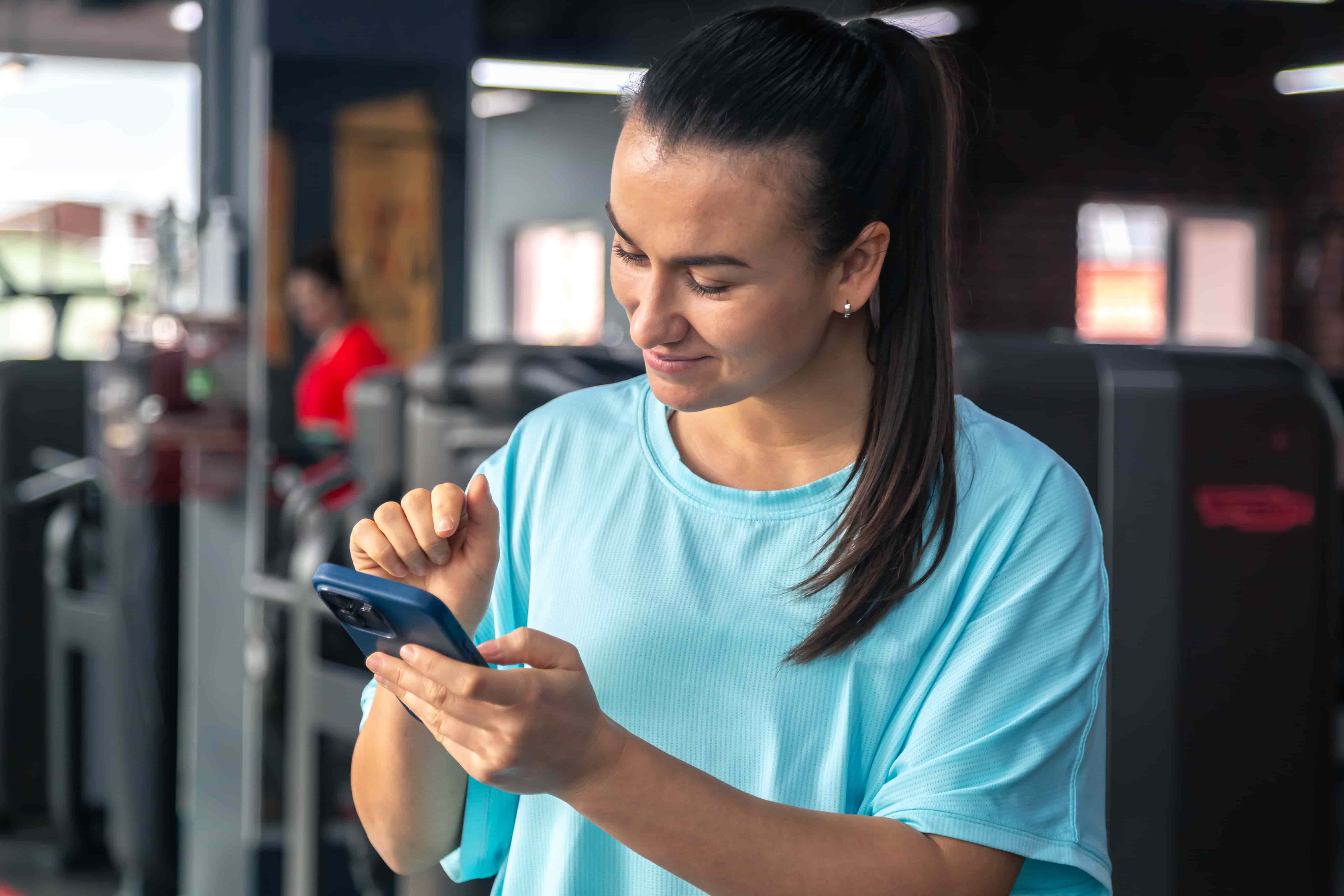
Technology has made fitness tracking methods easier than ever.
Popular options include:
- Fitness apps
- Smartwatches
- Activity trackers
- Workout journals
- Nutrition logging apps
These tools can monitor:
- Daily steps
- Calories burned
- Heart rate
- Sleep
- Workout history
Choose tools that fit your lifestyle rather than relying on every available feature.
Set SMART Fitness Goals
Progress tracking works best when paired with realistic goals.
SMART goals are:
- Specific
- Measurable
- Achievable
- Relevant
- Time-bound
Example:
“Complete a 5 km walk in under 40 minutes within eight weeks.”
Having measurable goals makes tracking more meaningful.
Don’t Forget Nutrition
Exercise is only one part of the equation. Your diet plays a significant role in improving fitness, recovery, and body composition.
Eating balanced meals with adequate protein, healthy fats, whole grains, fruits, and vegetables supports better workout performance and long-term results. Healthy eating becomes much easier when nutritious meals are ready to enjoy.
MISTA EATS delivers fresh, balanced meals designed for busy professionals who want to maintain a healthy lifestyle without spending hours planning, cooking, or counting calories.
Whether your goal is weight management, muscle gain, or simply eating healthier, convenient meal delivery can help you stay consistent with your nutrition plan.
Common Fitness Tracking Mistakes
Avoid these common mistakes:
- Measuring progress only by body weight
- Comparing yourself with others
- Changing workout routines too frequently
- Ignoring nutrition
- Expecting overnight results
Fitness is a long-term journey, and consistency delivers the best outcomes.
Conclusion
Understanding fitness progress tracking allows you to focus on meaningful improvements rather than temporary changes. By using multiple fitness tracking methods, setting realistic goals, and maintaining healthy nutrition habits, you’ll gain a clearer picture of your progress and stay motivated over time.
At MistaLife – Healthy Living Made Simple, we’re committed to helping you build sustainable habits that support long-term health. Pair your workouts with nutritious eating, stay consistent, and celebrate every milestone along the way.
FAQ’s
1. What is fitness progress tracking?
Fitness progress tracking is the process of measuring improvements in your health, strength, endurance, body composition, and overall fitness over time. It helps you understand whether your workout and nutrition plan are delivering results.
2. How can I track my fitness progress effectively?
You can track your fitness progress by monitoring body measurements, workout performance, progress photos, energy levels, body composition, and nutrition habits instead of relying only on the weighing scale.
3. Is body weight the best indicator of fitness progress?
No. Body weight alone doesn’t provide a complete picture of your fitness journey. Changes in muscle mass, body fat percentage, strength, endurance, and body measurements are often more accurate indicators of progress.
4. How often should I measure my fitness progress?
Workout performance can be tracked weekly, while body measurements, progress photos, and body composition are best reviewed every 2–4 weeks. This allows enough time to notice meaningful improvements.
5. Why is nutrition important when tracking fitness progress?
Nutrition fuels your workouts, supports muscle recovery, maintains energy levels, and helps improve body composition. Consistently eating balanced meals alongside regular exercise makes fitness progress more measurable and sustainable.