
Introduction
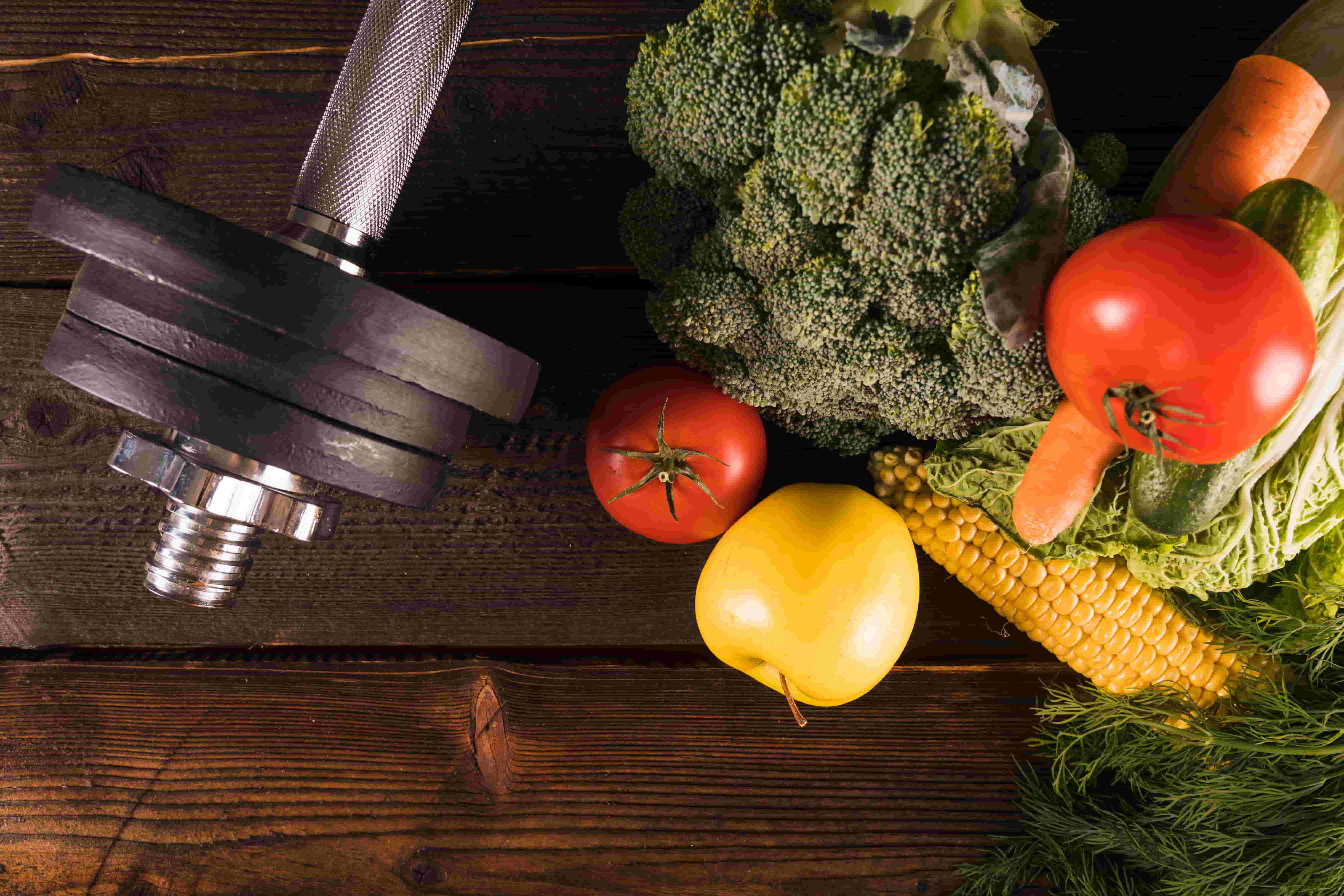
Exercise is an important part of fitness, but nutrition provides the fuel and nutrients your body needs to perform, recover, and adapt. Whether your goal is building muscle, losing body fat, improving endurance, increasing strength, or maintaining overall fitness, what you eat can have a significant impact on your progress.
A healthy diet for fitness does not require complicated meal plans or restrictive food rules. Instead, it focuses on balanced nutrition, adequate protein, quality carbohydrates, healthy fats, fruits, vegetables, hydration, and appropriate portions.
Understanding the role of diet in fitness can help you create an eating pattern that supports your workouts and fits your lifestyle. The goal is not to eat perfectly every day but to develop consistent habits that support long-term health and performance.
Why Diet Matters for Fitness
Exercise creates demands on your body. Your muscles need nutrients to repair and adapt, while your body needs energy to perform physical activity.
A balanced diet can help:
- Provide energy for workouts
- Support muscle maintenance and recovery
- Improve exercise performance
- Support healthy weight management
- Provide essential vitamins and minerals
- Support immune function
- Improve overall energy levels
- Support recovery between workouts
Exercise and nutrition work together. A consistent workout routine without adequate nutrition may make it harder to perform and recover effectively.
The Key Nutrients for Fitness
A fitness-focused eating pattern should include all three major macronutrients: protein, carbohydrates, and fats.
1. Prioritize Protein
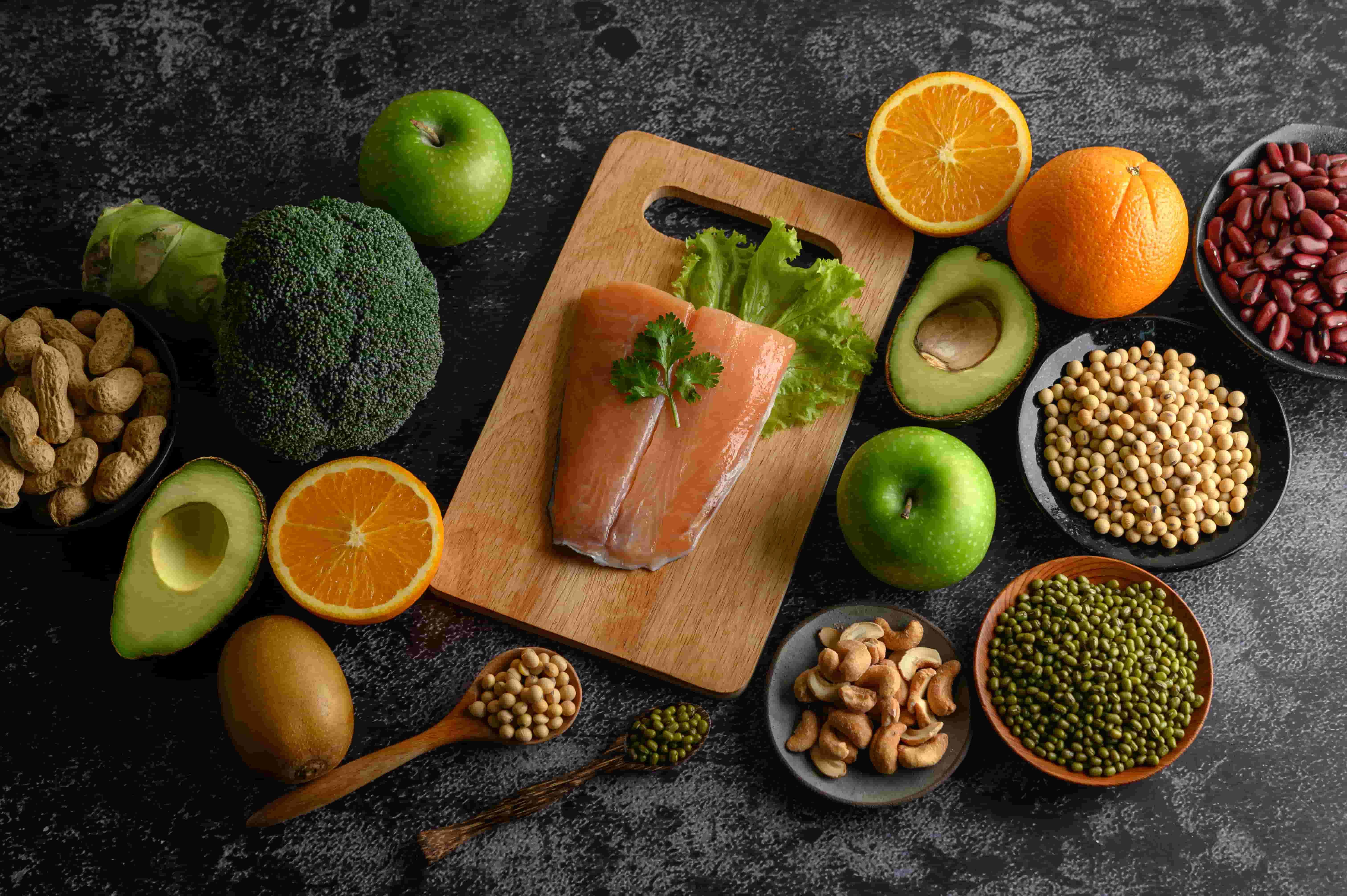
Protein provides amino acids needed for muscle repair and maintenance. It can also help with satiety, making it useful for people managing their weight.
Good protein sources include:
- Eggs
- Chicken
- Fish
- Tofu
- Paneer
- Greek yogurt
- Lentils
- Beans
- Chickpeas
- Tempeh
Including protein throughout the day can help you meet your individual nutritional needs.
People who participate in regular strength training may have higher protein requirements than sedentary individuals. Individual needs vary based on factors such as body size, activity level, age, and fitness goals.
2. Choose Quality Carbohydrates
Carbohydrates are an important source of energy for both everyday activities and exercise.
Instead of avoiding carbohydrates, focus on nutrient-rich sources such as:
- Oats
- Brown rice
- Quinoa
- Potatoes
- Sweet potatoes
- Whole-grain bread
- Whole-wheat pasta
- Millets
- Fruits
- Beans and lentils
Carbohydrate requirements depend on training intensity, duration, and individual energy needs.
3. Include Healthy Fats
Dietary fats support several important body functions and help with the absorption of fat-soluble vitamins.
Healthy sources include:
- Avocados
- Almonds
- Walnuts
- Chia seeds
- Flaxseeds
- Olive oil
- Fatty fish
- Natural nut butters
Because fat is energy-dense, appropriate portions are important, particularly when weight management is part of your fitness goal.
Eat Plenty of Fruits and Vegetables
Fruits and vegetables provide fibre, vitamins, minerals, antioxidants, and other beneficial plant compounds.
Try to include a variety of colours throughout the week.
Examples include:
- Spinach
- Broccoli
- Carrots
- Tomatoes
- Bell peppers
- Cucumber
- Berries
- Apples
- Oranges
- Bananas
Vegetables can be added to omelettes, grain bowls, salads, soups, stir-fries, and main meals.
Hydration Is Part of Fitness Nutrition
Hydration is essential for normal physical performance and overall health.
Dehydration can affect how you feel and perform during exercise, particularly during longer or more intense workouts.
Practical hydration habits include:
- Drinking water regularly
- Carrying a reusable bottle
- Drinking before, during, and after longer workouts
- Increasing fluid intake when exercising in hot conditions
- Choosing water instead of sugary drinks
Individual fluid requirements vary depending on factors such as activity level, climate, body size, and sweat rate.
Nutrition Before a Workout
The right pre-workout meal depends on the type, duration, and timing of your exercise.
A light meal or snack containing carbohydrates and some protein can provide useful fuel.
Examples include:
- Banana with peanut butter
- Oats with milk
- Greek yogurt with fruit
- Whole-grain toast with eggs
- Fruit with yogurt
If you are exercising soon after eating, a smaller and easier-to-digest option may be more comfortable.
Nutrition After a Workout
Post-workout nutrition can support recovery by providing protein and carbohydrates.
Balanced options include:
- Chicken with rice and vegetables
- Paneer with whole-grain roti
- Eggs with toast and fruit
- Greek yogurt with oats and berries
- Lentils with rice and vegetables
- Tofu with quinoa and vegetables
You do not necessarily need a special supplement after every workout. A balanced meal can provide many of the nutrients your body needs.
Healthy Eating Tips for Fitness
Small nutrition habits can make a major difference over time.
Plan Meals Ahead
Meal planning can reduce last-minute food choices and make it easier to meet your nutritional needs.
Carry Healthy Snacks
Keep convenient options such as fruit, yogurt, nuts, or roasted chickpeas available.
Eat Regularly
A consistent eating pattern can make it easier to manage hunger and maintain energy.
Practice Portion Awareness
Even nutritious foods contribute calories. Pay attention to portions according to your goals and individual needs.
Limit Sugary Drinks
Sugary beverages can provide significant calories without offering the same fullness as whole foods.
Focus on Food Quality
Build most meals around nutrient-dense foods rather than relying heavily on highly processed options.
Sample One-Day Fitness Meal Plan
A balanced day could look like this:
Breakfast
Oatmeal with berries, Greek yogurt, and a small portion of nuts.
Mid-Morning Snack
A banana with a small amount of natural peanut butter.
Lunch
Grilled chicken, tofu, or lentils with brown rice and mixed vegetables.
Pre-Workout Snack
Fruit with yogurt or whole-grain toast with eggs.
Post-Workout Meal
A balanced meal containing protein and carbohydrates, such as chicken with rice and vegetables.
Dinner
Grilled fish, paneer, tofu, or beans with vegetables and a moderate portion of whole grains.
This is an example rather than a personalized meal plan. Individual nutritional requirements vary.
Diet for Different Fitness Goals
Your nutrition strategy should reflect your specific fitness objective.
For Muscle Gain
Focus on adequate calories, sufficient protein, carbohydrates to support training, and consistent resistance exercise.
For Fat Loss
Focus on a sustainable calorie deficit, adequate protein, fibre-rich foods, and regular physical activity.
For Endurance
Carbohydrate intake becomes particularly important for supporting longer-duration training and replenishing energy stores.
For General Fitness
Prioritize variety, balanced meals, adequate protein, fruits, vegetables, whole grains, healthy fats, and hydration.
Common Nutrition Mistakes That Can Affect Fitness
Avoid these common mistakes:
- Skipping meals regularly
- Eating too little
- Avoiding carbohydrates unnecessarily
- Not consuming enough protein
- Relying heavily on processed foods
- Drinking excessive sugary beverages
- Ignoring hydration
- Following restrictive fad diets
- Expecting rapid results
A sustainable eating pattern is more useful than a diet that works for only a few weeks.
Meal Planning Can Make Fitness Nutrition Easier
Preparing nutritious meals in advance can make healthy eating much more convenient.
You can batch-prepare:
- Cooked grains
- Grilled chicken or tofu
- Boiled eggs
- Roasted vegetables
- Lentils
- Fresh salads
- Healthy snacks
For busy days when cooking is difficult, convenient prepared meals can also help maintain consistency. Mista Eats offers freshly prepared meal options that can fit into a balanced fitness-focused lifestyle when you want nutritious food without preparing every meal yourself.
Conclusion
The role of diet in fitness goes far beyond calorie counting. Nutrition provides the energy and nutrients your body needs to exercise, recover, maintain muscle, and support overall health.
Build your fitness diet around adequate protein, quality carbohydrates, healthy fats, fruits, vegetables, fibre, and sufficient fluids. Adjust portions and meal timing according to your individual goals, activity level, and lifestyle.
Whether your goal is muscle gain, fat loss, improved endurance, or general fitness, consistency matters more than perfection.
A sustainable fitness lifestyle combines regular exercise with balanced nutrition, adequate recovery, quality sleep, and realistic goals. By making better food choices consistently, you can give your body the support it needs to perform and progress over the long term.
FAQ’s
1. Why is diet important for fitness?
Diet provides the energy and nutrients needed for exercise, muscle recovery, performance, and overall health. Nutrition and exercise work together to support fitness progress.
2. What should I eat before a workout?
A light meal or snack containing carbohydrates and some protein can provide energy. Examples include oats with milk, fruit with yogurt, or whole-grain toast with eggs.
3. How much protein do I need for fitness?
Protein requirements vary based on factors such as body size, activity level, age, and fitness goals. Including a quality protein source in regular meals can support muscle maintenance and recovery.
4. Can I eat carbohydrates while trying to get fit?
Yes. Carbohydrates such as oats, brown rice, potatoes, fruits, and whole grains provide energy and can be an important part of a balanced fitness diet.
5. Can meal planning improve fitness nutrition?
Yes. Planning meals ahead can make balanced nutrition more convenient, improve consistency, support portion awareness, and reduce reliance on less nutritious convenience foods.