
Introduction
Fat loss is not about starving yourself or following restrictive diets. It is about creating a balanced nutrition routine that supports your fitness goals, preserves muscle, and helps you maintain a healthy calorie deficit.
Whether you are beginning your fitness journey, improving athletic performance, or working toward better body composition, the right fat loss meal plans can make healthy eating easier and more consistent.
This guide explains how to build a fitness-focused meal plan that supports fat loss without compromising energy, recovery, or overall health.
Why Nutrition Matters for Fat Loss and Fitness
Exercise plays an important role in improving strength, endurance, and body composition. However, nutrition provides the energy and nutrients your body needs to perform and recover.
A structured meal plan can help you:
- Maintain an appropriate calorie deficit
- Support muscle growth and recovery
- Improve workout energy
- Manage hunger and cravings
- Maintain consistent protein intake
- Reduce dependence on unhealthy convenience foods
- Build sustainable eating habits
Fat loss does not require eliminating entire food groups. It requires choosing nutritious foods and consuming portions that match your individual goals.
What Should a Fitness-Focused Fat Loss Meal Plan Include?
1. Protein-Rich Foods
Protein supports muscle repair, recovery, and satiety. Include a protein source in each main meal.
Good options include:
- Eggs
- Chicken
- Fish
- Paneer
- Tofu
- Lentils
- Beans
- Greek yogurt
Your protein requirements depend on factors such as body weight, activity level, and fitness goals. Individuals with specific medical conditions should seek professional nutrition advice before making major dietary changes.
2. Quality Carbohydrates
Carbohydrates provide energy for workouts and daily activities. Choosing high-fiber carbohydrate sources can help support steady energy and better fullness.
Examples include:
- Oats
- Brown rice
- Millets
- Whole wheat roti
- Quinoa
- Sweet potatoes
- Fruits
Reducing portion sizes may be useful for fat loss, but completely avoiding carbohydrates can make training and recovery more difficult for many people.
3. Healthy Fats
Healthy fats support normal body functions and help make meals satisfying.
Include moderate portions of:
- Nuts
- Seeds
- Avocado
- Olive oil
- Peanut butter
Since fats are calorie-dense, portion control is important when working toward a calorie deficit.
4. Fiber-Rich Vegetables
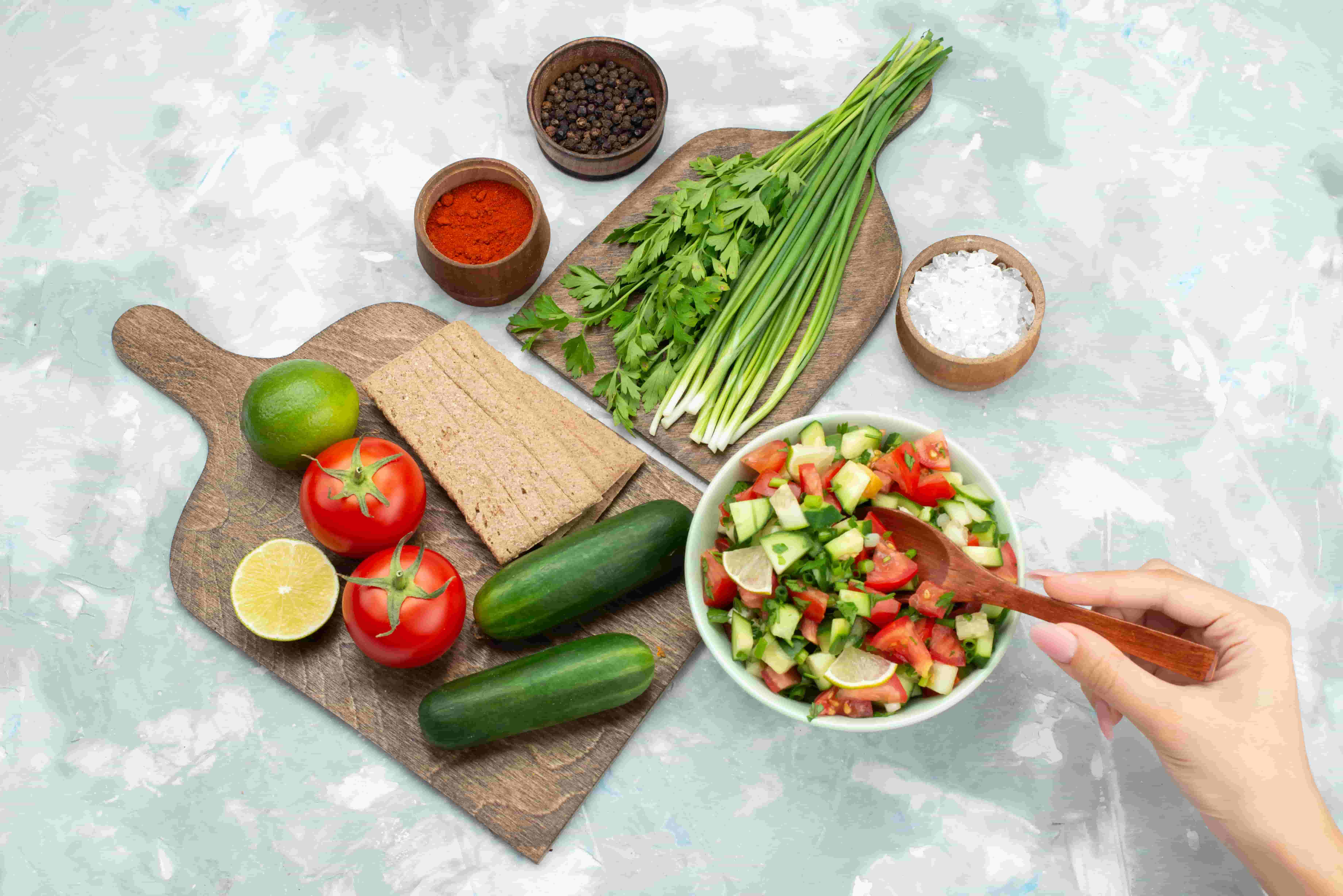
Vegetables provide fiber, vitamins, and minerals while adding volume to meals. Try to include a variety of colorful vegetables throughout the day.
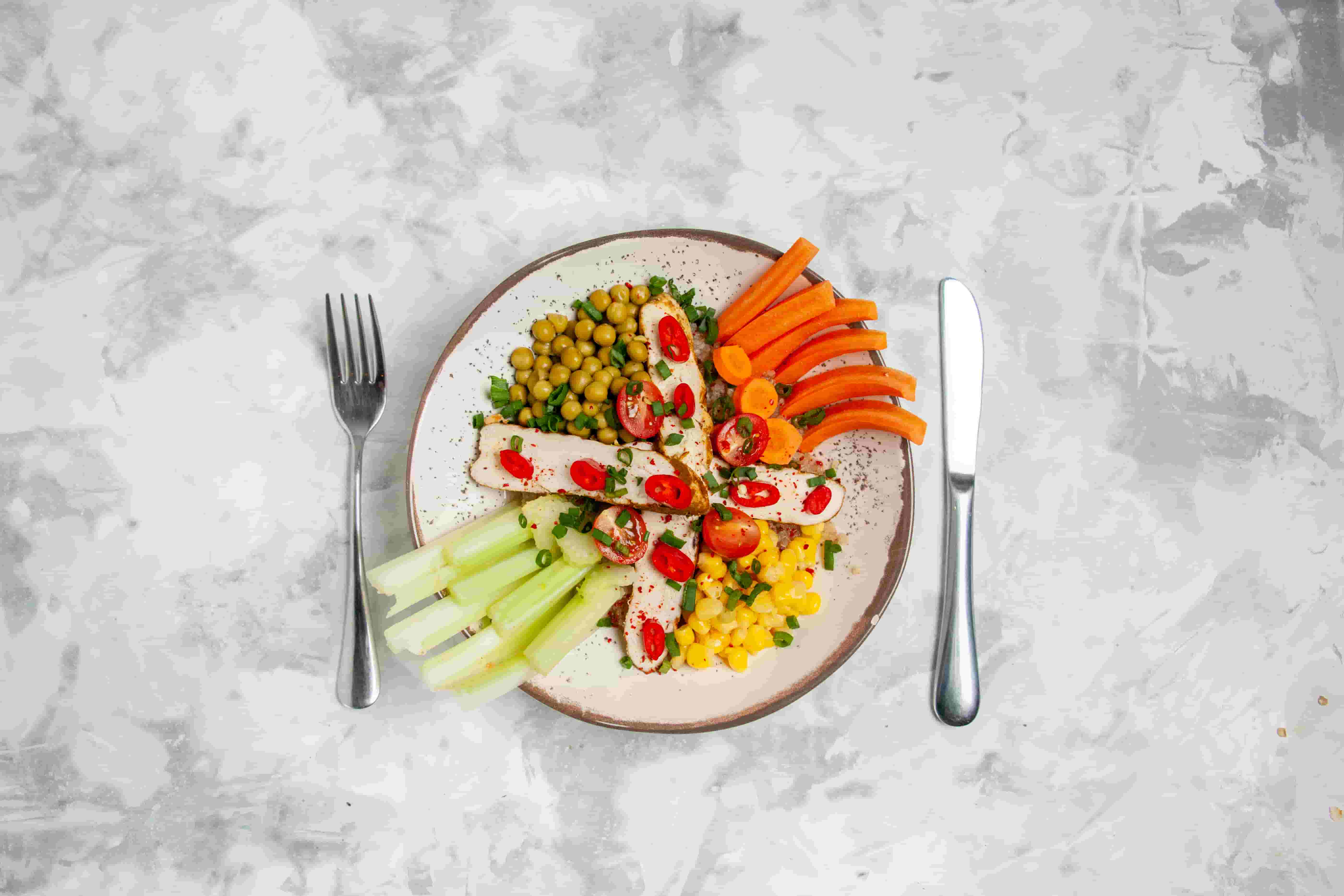
A simple approach is to fill a substantial portion of your lunch and dinner plate with vegetables, alongside protein and a suitable carbohydrate source.
Sample Fat Loss Meal Plan for Fitness
Breakfast
- Vegetable oats or whole-grain toast
- Eggs, paneer, or Greek yogurt
- One serving of fruit
Mid-Morning Snack
- Apple or another seasonal fruit
- A small handful of almonds
Lunch
- Grilled chicken, fish, tofu, or lentils
- Brown rice, quinoa, or whole wheat roti
- Mixed vegetables
- Salad
Pre-Workout Snack
- Banana with a small amount of peanut butter
- Greek yogurt with fruit
Post-Workout Meal
- A protein-rich meal containing chicken, paneer, tofu, eggs, or legumes
- A carbohydrate source to support recovery
- Vegetables
Dinner
- Grilled fish, tofu, paneer, or lean protein
- Stir-fried vegetables
- Soup or a moderate portion of whole grains, depending on hunger and activity
This is a general example rather than a personalized diet plan. Portions should be adjusted according to your energy needs, training schedule, preferences, and health requirements.
Common Mistakes That Can Slow Fat Loss
Eating Too Little
Very low-calorie diets may reduce energy, affect workout performance, and make it harder to maintain muscle.
Neglecting Protein
Insufficient protein intake can make it more difficult to support muscle recovery and manage hunger.
Avoiding Carbohydrates Completely
Carbohydrates are an important energy source, particularly for people who exercise regularly.
Relying on Cheat Days
A single high-calorie day can significantly affect your weekly calorie balance. A flexible approach that includes occasional treats is usually easier to maintain.
Ignoring Sleep and Recovery
Poor sleep can affect hunger, energy, recovery, and workout consistency. Nutrition and exercise work best when supported by adequate rest.
How Meal Prep Supports Fitness Goals
Meal preparation helps you stay consistent when work, travel, or a busy schedule makes cooking difficult.
Preparing meals in advance can help you:
- Control portions
- Maintain regular protein intake
- Reduce impulsive food choices
- Save time during busy days
- Plan meals around workouts
- Stay consistent with your calorie goals
For people who struggle to prepare balanced meals daily, professionally prepared options such as Mista Eats can make healthy eating more convenient. Freshly prepared, balanced meals can support a consistent routine while reducing the time spent planning and cooking.
Fitness Habits That Support Sustainable Fat Loss
Nutrition works best when combined with regular movement and recovery.
- Include strength training to support muscle maintenance.
- Add walking or cardiovascular exercise based on your fitness level.
- Eat enough protein throughout the day.
- Drink water according to your activity, climate, and individual needs.
- Prioritize seven to nine hours of sleep when possible.
- Track progress using strength, energy, measurements, and overall consistency – not only body weight.
- Make gradual changes rather than following extreme restrictions.
A sustainable rate of fat loss varies between individuals. Your progress may also fluctuate because of water retention, digestion, stress, and changes in training.
Conclusion
The best fat loss meal plans are balanced, flexible, and designed to support both nutrition and fitness. Combining protein-rich foods, quality carbohydrates, healthy fats, vegetables, regular exercise, and sufficient recovery can help improve body composition and long-term health.
Instead of searching for a quick fix, focus on building eating habits that fit your lifestyle and support your fitness goals consistently.
FAQ’s
1. What is the best meal plan for fat loss and fitness?
The best plan includes an appropriate calorie deficit, sufficient protein, fiber-rich foods, quality carbohydrates, healthy fats, and meals that support your workout and recovery needs.
2. Should I eat carbohydrates while trying to lose fat?
Yes. Carbohydrates provide energy for exercise and daily activities. Whole grains, oats, fruits, and other high-fiber sources can be included in suitable portions.
3. How much protein should I eat for fat loss?
Protein needs vary according to body weight, activity level, and fitness goals. A qualified nutrition professional can help determine an appropriate intake for your needs.
4. Can meal prep help with weight loss?
Yes. Meal prep can improve portion control, reduce impulsive food choices, and make it easier to maintain a consistent nutrition routine.
5. Can I lose fat while building muscle?
It may be possible, particularly for beginners or people returning to training, when strength training, adequate protein, recovery, and an appropriate calorie intake are managed consistently.