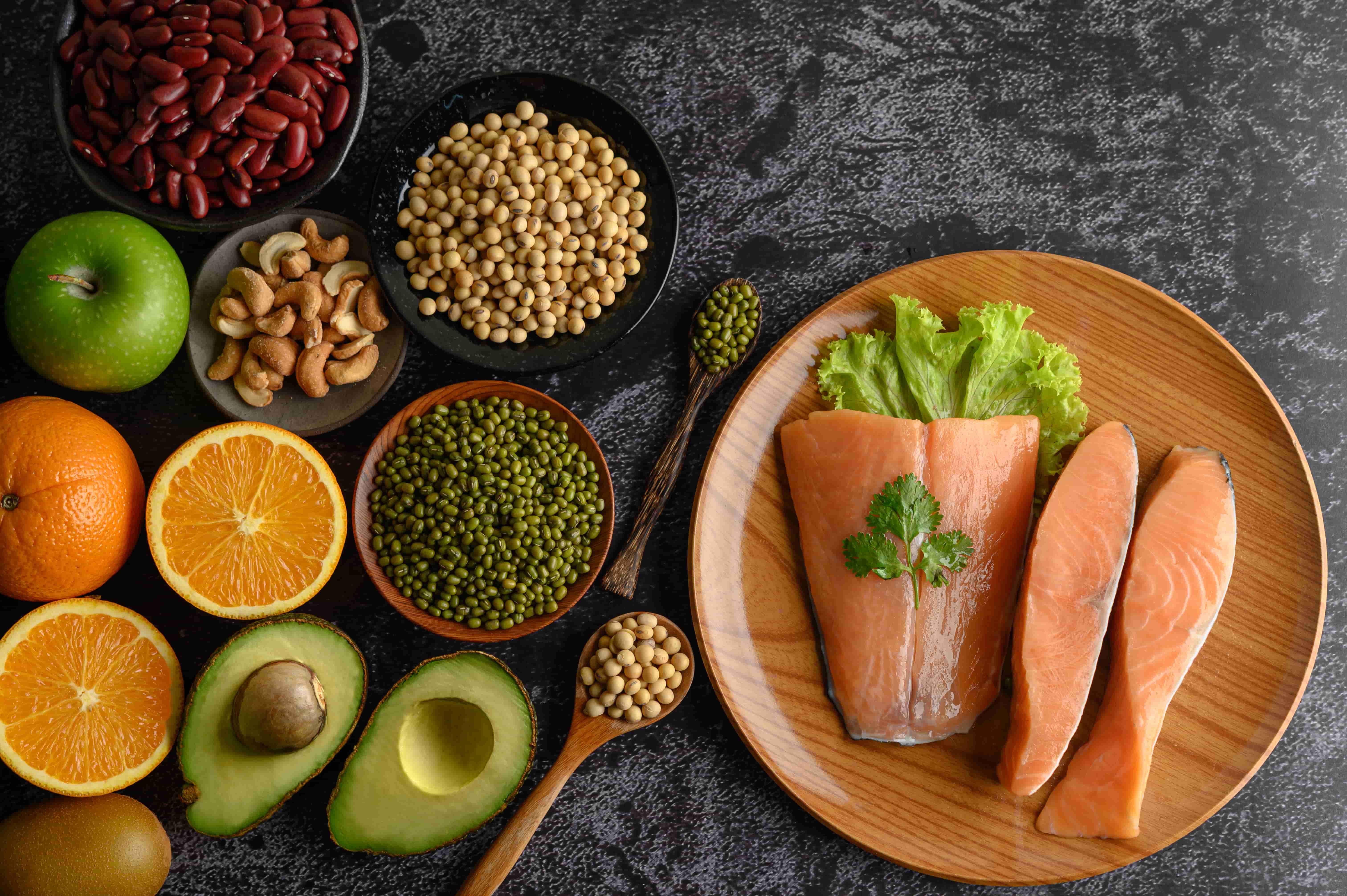


Introduction
Whether you’re training for strength, improving endurance, losing weight, or simply living a healthier lifestyle, your nutrition matters just as much as your workouts. Exercise builds the foundation, but proper nutrition provides the fuel your body needs to perform, recover, and achieve lasting results.
A well-designed sports nutrition plan isn’t just for professional athletes. Anyone committed to fitness can benefit from eating the right foods at the right time. In this guide, we’ll explore the best nutrition plans for fitness, helping you understand what to eat before and after workouts, how to balance nutrients, and how healthy meal planning can support your goals.
Why Nutrition Matters in Fitness
Every workout creates stress on your muscles and energy systems. Your body requires carbohydrates for fuel, protein for muscle repair, healthy fats for hormone balance, and vitamins and minerals to keep everything functioning efficiently.
Without proper nutrition, you may experience:
- Low energy levels
- Slow recovery
- Muscle loss
- Poor workout performance
- Increased injury risk
- Difficulty reaching fitness goals
The right nutrition plan helps maximize every workout while supporting long-term health.
What Is a Sports Nutrition Plan?
A sports nutrition plan is a structured eating strategy designed to match your activity level, fitness goals, and recovery needs.
It includes:
- Balanced macronutrients
- Proper hydration
- Meal timing
- Portion control
- Nutrient-dense foods
Unlike fad diets, sports nutrition focuses on sustainable performance rather than temporary results.
The Best Nutrition Plan for Fitness
1. Prioritize High-Quality Protein
Protein helps repair muscles after exercise and supports lean muscle growth.
Excellent protein sources include:
- Eggs
- Chicken
- Fish
- Paneer
- Greek yogurt
- Lentils
- Chickpeas
- Tofu
- Lean meat
Aim to include protein with every meal.
2. Eat Smart Carbohydrates
Carbohydrates are your body’s primary energy source.
Healthy choices include:
- Brown rice
- Oats
- Sweet potatoes
- Whole wheat roti
- Fruits
- Millets
- Quinoa
Avoid relying heavily on refined sugars and processed snacks before workouts.
3. Include Healthy Fats
Healthy fats support hormone production and long-lasting energy.
Choose:
- Nuts
- Seeds
- Avocados
- Olive oil
- Peanut butter
- Fatty fish
Remember that fats should complement your diet, not dominate it.
4. Stay Hydrated
Even mild dehydration affects performance.
Drink water:
- Before workouts
- During long exercise sessions
- After training
Electrolytes may be useful after intense sweating or endurance workouts.
5. Never Skip Recovery Meals
Recovery nutrition is when your muscles rebuild.
A post-workout meal should contain:
- Protein
- Complex carbohydrates
- Plenty of fluids
Examples include grilled chicken with rice, paneer with vegetables, or Greek yogurt with fruit.
Meal Timing for Better Performance
Before Exercise
Eat 1–3 hours before training.
Choose:
- Oatmeal
- Banana with peanut butter
- Whole-grain toast
- Fruit with yogurt
These provide steady energy without making you feel heavy.
After Exercise
Within one hour after your workout, eat a balanced meal containing:
- Protein
- Carbohydrates
- Water
This supports muscle recovery and replenishes glycogen stores.
Sample One-Day Fitness Nutrition Plan
Breakfast
Vegetable oats with boiled eggs and fresh fruit.
Mid-Morning Snack
Greek yogurt with nuts.
Lunch
Brown rice, grilled chicken (or paneer), mixed vegetables, salad.
Evening Snack
Banana and roasted chickpeas.
Dinner
Grilled fish or tofu with quinoa and steamed vegetables.
Before Bed
A glass of milk or a protein-rich snack if needed.
Nutrition Tips for Different Fitness Goals
Muscle Gain
Focus on:
- Higher protein intake
- Calorie surplus
- Strength training
- Recovery nutrition
Fat Loss
Choose:
- Moderate calorie deficit
- High protein
- Fiber-rich vegetables
- Portion control
Avoid skipping meals, as it can reduce energy and affect performance.
Endurance Training
Endurance athletes require:
- More carbohydrates
- Consistent hydration
- Electrolyte balance
- Recovery meals after long sessions
Common Sports Nutrition Mistakes
Avoid these common errors:
- Skipping breakfast
- Not eating enough protein
- Ignoring hydration
- Overusing supplements
- Depending on processed energy drinks
- Following restrictive diets
- Eating too little after workouts
Simple, balanced meals usually outperform complicated diet trends.
How Meal Planning Supports Fitness Success
Meal planning helps you:
- Stay consistent
- Reduce unhealthy snacking
- Control portions
- Save time
- Meet daily nutrition goals
Preparing meals in advance makes healthy eating easier, especially for busy professionals.
Healthy Eating Made Simpler
Freshly prepared meals provide better nutrition than heavily processed alternatives. Balanced meals with lean protein, whole grains, vegetables, and healthy fats help maintain steady energy throughout the day.
Preparing healthy meals every day can be challenging with a busy schedule. Mista Eats offers freshly prepared, balanced meals designed for busy professionals, fitness enthusiasts, and anyone looking to maintain a healthy lifestyle.
Why Mista Eats?
- Freshly prepared meals
- Balanced nutrition
- Protein-rich meal options
- Convenient daily meal solutions
- Supports weight management, muscle gain, and overall wellness
Conclusion
The best nutrition plans for fitness aren’t about strict dieting—they’re about giving your body the nutrients it needs to perform, recover, and thrive. A well-balanced sports nutrition plan that includes quality protein, complex carbohydrates, healthy fats, hydration, and proper meal timing can significantly improve your fitness journey.
Consistency is the key. Pair regular exercise with smart nutrition choices, and you’ll build habits that support long-term health, better performance, and sustainable results.
FAQ’s
1. What is the best nutrition plan for fitness?
A balanced plan includes lean protein, complex carbohydrates, healthy fats, hydration, and proper meal timing based on your fitness goals.
2. Is a sports nutrition plan only for athletes?
No. Anyone who exercises regularly can benefit from a sports nutrition plan to improve energy, recovery, and overall performance.
3. How much protein should I eat after a workout?
Most people benefit from consuming approximately 20–30 grams of protein after exercise, depending on body size and activity level.
4. Should I eat before exercising?
Yes. A light meal containing carbohydrates and some protein 1–3 hours before exercise provides energy and helps improve workout performance.
5. Can meal planning improve fitness results?
Absolutely. Meal planning promotes consistency, supports balanced nutrition, reduces unhealthy food choices, and makes it easier to stay aligned with your fitness goals.