
Introduction
Many people begin their weight loss journey with strict diets, only to regain the weight after a few months. The secret to lasting success isn’t eating less—it’s eating smarter. A balanced diet for weight loss provides your body with the nutrients it needs while helping you create healthy habits that are easy to maintain.
Rather than following temporary diet trends, sustainable weight loss nutrition focuses on consistency, portion control, and making healthier choices that fit your everyday lifestyle. Let’s explore how you can build a nutrition plan that supports both your health and your long-term weight loss goals.
What Is a Balanced Diet for Weight Loss?
A balanced diet includes the right combination of:
- Lean proteins
- Whole grains
- Fresh fruits and vegetables
- Healthy fats
- Fiber-rich foods
- Adequate hydration
This combination helps your body receive essential nutrients while naturally managing calorie intake. Instead of eliminating entire food groups, a balanced approach teaches moderation and healthier eating habits.
Why Sustainable Weight Loss Nutrition Works Better
Quick-fix diets often lead to temporary results because they can be difficult to maintain.
Benefits include:
- Supporting gradual and healthy fat loss
- Reducing cravings and binge eating
- Maintaining muscle mass
- Improving metabolism
- Providing long-lasting energy
- Making healthy eating enjoyable
Small improvements practiced consistently often produce better long-term outcomes than extreme dieting.
Essential Nutrients for Healthy Weight Loss
Protein
Protein keeps you feeling full longer and supports muscle maintenance during weight loss.
Healthy sources include:
- Eggs
- Chicken
- Fish
- Lentils
- Greek yogurt
- Tofu
Fiber
Fiber slows digestion and promotes fullness.
Good sources include:
- Oats
- Fruits
- Vegetables
- Beans
- Whole grains
Healthy Fats
Healthy fats support hormone balance and reduce hunger.
Include:
- Nuts
- Seeds
- Avocados
- Olive oil
Complex Carbohydrates
Choose carbohydrates that release energy slowly.
Examples include:
- Brown rice
- Quinoa
- Millets
- Sweet potatoes
- Whole wheat
Healthy Eating Habits That Support Sustainable Weight Loss
1. Never Skip Meals
Skipping meals often leads to overeating later in the day.
2. Practice Portion Control
Use smaller plates and fill half your plate with vegetables before adding proteins and grains.
3. Stay Hydrated
Drinking enough water supports metabolism and may help reduce unnecessary snacking.
4. Plan Meals Ahead
Meal planning helps avoid unhealthy food choices during busy days.
5. Eat Mindfully
Slow down while eating and avoid distractions like television or mobile phones.
Foods to Include More Often
Choose nutrient-dense foods such as:
- Leafy greens
- Seasonal vegetables
- Fresh fruits
- Lean proteins
- Whole grains
- Low-fat dairy
- Nuts and seeds
- Legumes
These foods provide vitamins, minerals, and fiber while supporting healthy weight management.
Foods to Limit
Rather than completely avoiding foods, reduce consumption of:
- Sugary drinks
- Deep-fried foods
- Refined flour products
- Processed snacks
- High-sugar desserts
- Fast food
Moderation is more sustainable than restriction.
Sample Balanced Weight Loss Plate
A simple balanced plate includes:
- 50% Vegetables
- 25% Lean protein
- 25% Whole grains
- Healthy fats in small portions
- Water or unsweetened beverages
This simple method makes portion control easier without complicated calorie counting.
Common Mistakes That Slow Weight Loss
Many people unknowingly sabotage their progress by:
- Following crash diets
- Eating too little protein
- Skipping breakfast
- Drinking sugary beverages
- Sleeping less than seven hours
- Ignoring physical activity
- Depending only on calorie counting instead of food quality
Avoiding these habits can significantly improve long-term success.
How Meal Planning Makes Healthy Eating Easier
Planning meals ahead reduces decision fatigue and helps maintain consistency.
Benefits include:
- Better portion control
- Reduced food waste
- Lower grocery expenses
- Less reliance on takeout
- Easier calorie management
- Improved nutritional balance
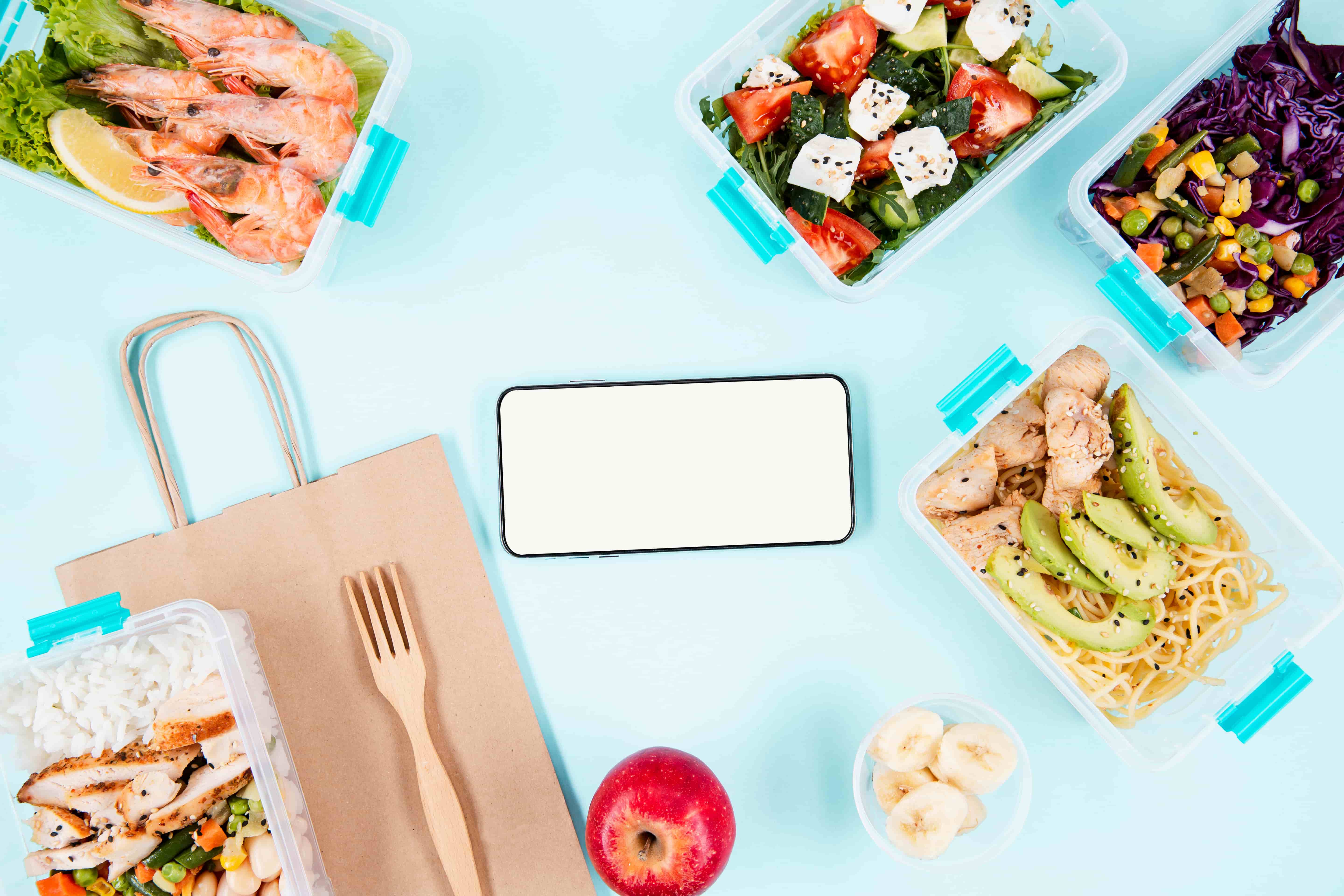
Even preparing meals two or three days in advance can make healthy eating much more convenient.
MISTA EATS: Healthy Eating Made Convenient
Healthy eating becomes easier when nutritious meals are ready whenever you need them.
MISTA EATS offers freshly prepared, balanced meals designed for busy lifestyles, helping you stay consistent with your nutrition goals without spending hours cooking or meal prepping.
Why Choose MISTA EATS?
- Freshly prepared meals
- Balanced nutrition
- Portion-controlled meal options
- Convenient daily delivery
- Supports weight loss and wellness goals
Conclusion
Achieving your health goals doesn’t require extreme diets or eliminating your favorite foods. A balanced diet for weight loss combined with sustainable weight loss nutrition creates healthy habits that you can maintain for years.
Focus on nourishing your body with wholesome foods, staying active, planning your meals, and making consistent improvements. Sustainable nutrition isn’t about perfection—it’s about creating a healthier lifestyle that supports lasting results.
FAQ’s
1. What is the best balanced diet for weight loss?
A balanced diet includes lean protein, whole grains, vegetables, fruits, healthy fats, and adequate hydration while maintaining a moderate calorie deficit.
2. How does sustainable weight loss nutrition differ from crash dieting?
Sustainable nutrition promotes gradual, healthy weight loss through long-term eating habits, while crash diets often lead to temporary results and weight regain.
3. Can I lose weight without eliminating carbohydrates?
Yes. Choosing complex carbohydrates like oats, brown rice, quinoa, and whole grains can support weight loss while providing lasting energy.
4. Why is protein important for weight loss?
Protein helps preserve muscle, increases satiety, and can reduce overall calorie intake by keeping you fuller for longer.
5. How can meal planning help with weight loss?
Meal planning encourages healthier food choices, better portion control, reduced impulse eating, and improved consistency, making it easier to achieve long-term weight loss goals.