
Introduction
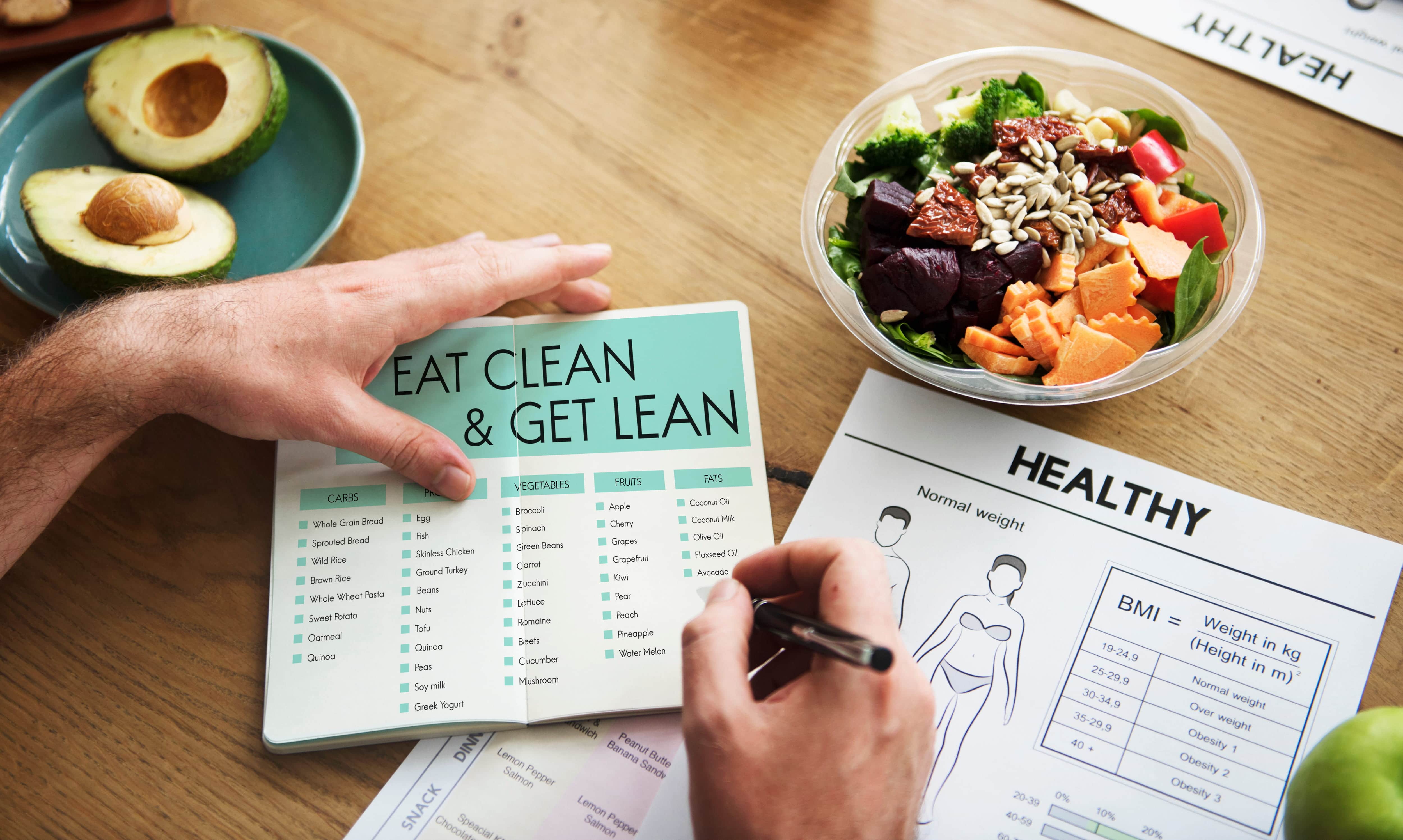
Healthy eating starts with good planning. Whether your goal is weight management, improved energy, or better overall wellness, having a weekly meal plan can make healthy choices easier and more sustainable.
By organizing your meals in advance, you can save time, reduce food waste, and ensure you’re getting the right balance of nutrients throughout the week. In this guide, we’ll share practical healthy meal planning tips to help you build a simple and effective weekly healthy meal planning routine that fits even the busiest lifestyle.
Why Weekly Healthy Meal Planning Matters
Many people struggle with healthy eating because they make food decisions when they are already hungry or short on time. Weekly meal planning eliminates guesswork and helps you:
Benefits Include:
- Save time during busy weekdays
- Reduce food waste
- Control portion sizes
- Maintain a balanced diet
- Avoid unhealthy takeout choices
- Support fitness and weight management goals
When meals are planned in advance, it becomes easier to make healthier decisions consistently.
Healthy Meal Planning Tips
1. Start with Your Nutrition Goals
Before planning meals, identify your objective:
- Weight management
- Muscle gain
- Improved energy levels
- Better overall health
- Managing specific dietary needs
Your goals will determine the balance of proteins, carbohydrates, healthy fats, and vegetables you include throughout the week.
2. Build Every Meal Around Protein
Protein helps keep you full and supports muscle recovery and overall health.
Healthy Protein Sources Include:
- Eggs
- Fish
- Chicken breast
- Greek yogurt
- Paneer
- Lentils and beans
- Tofu
Aim to include a quality protein source in every meal.
3. Plan Balanced Meals
A balanced plate typically includes:
- ½ plate vegetables
- ¼ plate lean protein
- ¼ plate whole grains or healthy carbohydrates
Examples Include:
- Grilled chicken with brown rice and vegetables
- Lentil curry with millet and salad
- Paneer stir-fry with quinoa
- Fish with sweet potato and greens
This simple approach helps maintain energy and prevent overeating.
4. Prepare Ingredients in Advance
One of the best healthy meal planning tips is to prep ingredients ahead of time.
Weekend Preparation May Include:
- Washing and chopping vegetables
- Cooking grains in bulk
- Preparing protein portions
- Making healthy snacks
- Storing meals in containers
Having ingredients ready significantly reduces cooking time during the week.
5. Create a Simple Weekly Meal Schedule
A basic meal schedule can help maintain consistency.
Monday–Friday
- Breakfast: Protein-rich meal with fruits
- Lunch: Balanced meal with vegetables and lean protein
- Snack: Nuts, fruit, or yogurt
- Dinner: Light and nutrient-dense meal
Following a structured routine makes healthy eating more manageable.
6. Keep Healthy Snacks Available
Unexpected hunger often leads to unhealthy food choices.
Keep These Options Nearby:
- Mixed nuts
- Roasted chickpeas
- Fresh fruit
- Greek yogurt
- Protein smoothies
- Vegetable sticks with hummus
Healthy snacks help maintain energy and prevent overeating at meals.
7. Avoid Overcomplicating Your Plan
Many people abandon meal planning because they try too many recipes at once.
Instead:
- Choose 2–3 breakfast options
- Rotate 3–4 lunch meals
- Select 3–4 dinner recipes
- Repeat successful meals
Simplicity improves long-term consistency.
Common Weekly Meal Planning Mistakes
Planning Unrealistic Recipes
Complex meals often require more time and effort than most schedules allow.
Skipping Grocery Preparation
Without proper shopping and ingredient preparation, meal plans become difficult to follow.
Ignoring Portion Sizes
Healthy foods can still contribute excess calories when portions are not managed.
Not Including Enough Protein
Insufficient protein may lead to increased hunger and reduced meal satisfaction.
Forgetting Healthy Snacks
Lack of healthy snack options can result in impulsive eating choices.
Creating Overly Restrictive Meal Plans
Flexible plans are easier to maintain and support long-term success.
Make Healthy Eating Easier
Even with a good plan, busy professionals may struggle to find time for shopping, cooking, and meal preparation. That’s where convenient meal solutions can help.
Mista Life promotes practical nutrition habits that fit real lifestyles. For those seeking nutritious, ready-to-eat meal options, consider exploring Mista Eats, which offers healthy meal solutions designed to support balanced eating and simplify weekly meal planning.
Final Thoughts
Successful healthy eating doesn’t require complicated diets. It starts with smart planning and consistent habits. By following these healthy meal planning tips and adopting a weekly healthy meal planning routine, you can save time, reduce stress, and improve your overall nutrition.
Start small, stay consistent, and focus on building habits that support your long-term health goals.
FAQ’s
1. What is weekly healthy meal planning?
Weekly healthy meal planning involves organizing meals for the entire week to improve nutrition, save time, and reduce unhealthy food choices.
2. How long does meal planning take each week?
Most people can complete weekly meal planning in 30–60 minutes.
3. Can meal planning help with weight loss?
Yes. Meal planning helps control portions, improve food quality, and reduce impulsive eating.
4. What foods should be included in a healthy meal plan?
A Healthy Meal Plan Should Include:
- Lean proteins
- Vegetables
- Fruits
- Whole grains
- Healthy fats
5. Is meal planning suitable for busy professionals?
Absolutely. Weekly meal planning helps busy professionals maintain healthy eating habits while saving time during the workweek.