
Introduction
In today’s fast-paced world, eating healthy often takes a backseat to convenience. That’s where meal prepping comes in. Learning how to meal prep healthy meals and store them correctly can transform your eating habits, save time, reduce food waste, and help you stay consistent with your nutrition goals.
Whether you’re a busy professional, student, fitness enthusiast, or someone trying to eat clean, this guide will walk you through everything—from planning meals to storing them safely.
Why Meal Prep is Important for Healthy Living
Meal prepping is not just about cooking in bulk. It’s about strategic planning, portion control, and consistency.
Benefits of Meal Prepping:
- Saves time during busy weekdays
- Reduces unhealthy food choices
- Helps with portion control
- Saves money
- Supports fitness and weight goals
- Reduces stress around daily cooking
Step-by-Step Guide: How to Meal Prep Healthy Meals
1. Plan Your Meals in Advance
Start by deciding:
- Number of meals (breakfast, lunch, dinner, snacks)
- Nutritional goals (weight loss, muscle gain, balanced diet)
- Dietary preferences (vegetarian, vegan, high-protein)
Example Weekly Plan:
- Breakfast: Overnight oats, boiled eggs
- Lunch: Brown rice + grilled chicken + vegetables
- Dinner: Quinoa + sautéed vegetables
- Snacks: Nuts, fruits, yogurt
2. Create a Smart Grocery List
Divide your list into:
Proteins:
- Chicken
- Tofu
- Lentils
- Eggs
Carbs:
- Brown rice
- Oats
- Quinoa
Healthy Fats:
- Avocado
- Nuts
- Olive oil
Vegetables:
- Broccoli
- Spinach
- Carrots
Fruits:
- Apples
- Bananas
- Berries
3. Batch Cooking Basics
Batch cooking means preparing large portions at once.
Tips:
- Cook grains in bulk
- Roast vegetables together
- Grill or bake proteins
- Use simple seasoning to keep flavors flexible
4. Portion Your Meals Properly
Use portion control to avoid overeating.
Ideal Plate Ratio:
- 50% vegetables
- 25% protein
- 25% carbohydrates
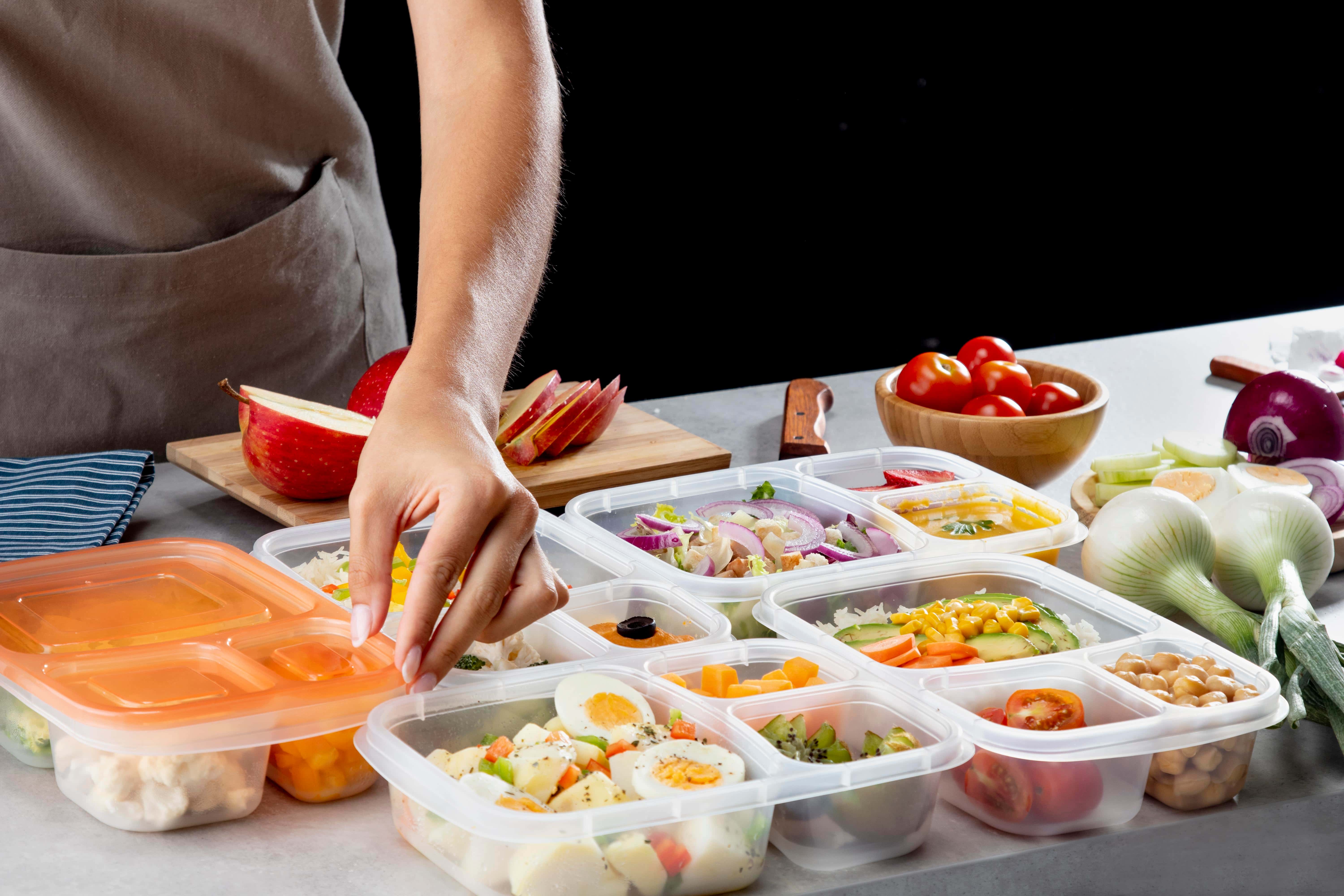
5. Choose the Right Meal Prep Containers
Best Options:
- Glass containers (microwave safe)
- BPA-free plastic containers
- Leak-proof containers
Container Tips:
- Use separate compartments
- Label meals with dates
- Stack for easy storage
How to Store Healthy Meals Properly
Proper storage is just as important as cooking.
1. Refrigeration Guidelines
- Store meals within 2 hours of cooking
- Keep fridge temperature below 5°C
- Consume within 3–4 days
2. Freezing Meals
Freezing extends shelf life significantly.
Best Foods to Freeze:
- Cooked rice and grains
- Curries and soups
- Cooked meats
Avoid Freezing:
- Fresh salads
- Dairy-heavy sauces
- Fried foods
3. Storage Duration Guide
| Food Type | Fridge | Freezer |
| Cooked chicken | 3–4 days | 2–3 months |
| Rice & grains | 4–5 days | 1–2 months |
| Vegetables | 3–5 days | 8–12 months |
| Soups | 3–4 days | 2–3 months |
4. Use Proper Storage Techniques
- Cool food before storing
- Use airtight containers
- Avoid overfilling containers
- Store sauces separately
5. Label Everything
Always include:
- Date of preparation
- Meal name
- Expiry date
Healthy Meal Prep Ideas
Breakfast Options
- Overnight oats with fruits
- Egg muffins
- Smoothie packs
Lunch Ideas
- Grilled chicken with quinoa
- Vegetable stir-fry with brown rice
- Lentil curry with roti
Dinner Options
- Baked salmon with vegetables
- Paneer with sautéed greens
- Chickpea salad bowls
Snack Options
- Mixed nuts
- Greek yogurt
- Fruit bowls
Meal Prep Mistakes to Avoid
Cooking Too Many Complex Recipes
Complicated recipes increase prep time and reduce consistency.
Not Storing Food Properly
Improper storage can reduce freshness and food safety.
Skipping Variety
Eating the same meals daily can become boring.
Not Labeling Meals
Labels help track freshness and reduce waste.
Using Low-Quality Containers
Invest in durable containers for better food preservation.
Advanced Meal Prep Tips
1. Use Theme Days
- Monday: Mexican
- Tuesday: Indian
- Wednesday: Mediterranean
2. Prep Ingredients Instead of Meals
- Chop vegetables
- Marinate proteins
- Pre-cook grains
3. Invest in Good Tools
- Air fryer
- Slow cooker
- Food processor
How to Maintain Freshness & Taste
Reheat Gently
Avoid overheating meals.
Add Fresh Herbs Before Eating
Enhances flavor and freshness.
Store Dressings Separately
Prevents soggy meals.
Avoid Repeated Reheating
Maintains food quality and safety.
Meal Prep for Specific Goals
For Weight Loss
- Low-carb meals
- High-protein foods
- Controlled portions
For Muscle Gain
- High protein intake
- Frequent meals
- Complex carbohydrates
For Busy Professionals
- Simple recipes
- Grab-and-go meals
- Minimal cooking time
Eco-Friendly Meal Prep Tips
- Use reusable containers
- Reduce plastic usage
- Avoid food waste
- Compost leftovers
Conclusion
Mastering how to meal prep healthy meals and store them correctly is one of the most powerful habits you can build for long-term health. It simplifies your routine, ensures better nutrition, and helps you stay consistent with your goals.
Start small, stay consistent, and refine your process over time. With the right approach, meal prepping can become a sustainable lifestyle—not just a weekly task.
FAQ’s
1. How long can meal prepped food last?
Meal prepped food typically lasts 3–4 days in the refrigerator and up to 3 months in the freezer.
2. Is meal prepping healthy?
Yes, meal prepping helps control portions, improves nutrition, and reduces unhealthy eating habits.
3. Can I meal prep for a whole week?
Yes, but it’s best to refrigerate 3–4 days’ worth and freeze the rest.
4. What foods should not be meal prepped?
Avoid foods like fresh salads, fried items, and dairy-heavy sauces.
5. What is the best way to store healthy meals?
Use airtight containers, refrigerate promptly, and label meals with dates.