
Introduction
The way we eat is constantly evolving, driven by technology, lifestyle changes, and growing awareness of health and sustainability. As we step into a new era of nutrition, understanding Healthy Meal Trends 2026 is essential for anyone looking to stay ahead in their wellness journey.
From personalized nutrition to sustainable food choices, the future of healthy eating is Mista Eats becoming smarter, more convenient, and highly individualized. This blog explores the latest trends shaping how we prepare, consume, and think about food in 2026.
What Are Healthy Meal Trends 2026?
Healthy Meal Trends 2026 refer to the emerging patterns in food choices, meal preparation, and dietary habits that prioritize health, convenience, and sustainability.
These trends are influenced by:
- Increased health awareness
- Technological advancements
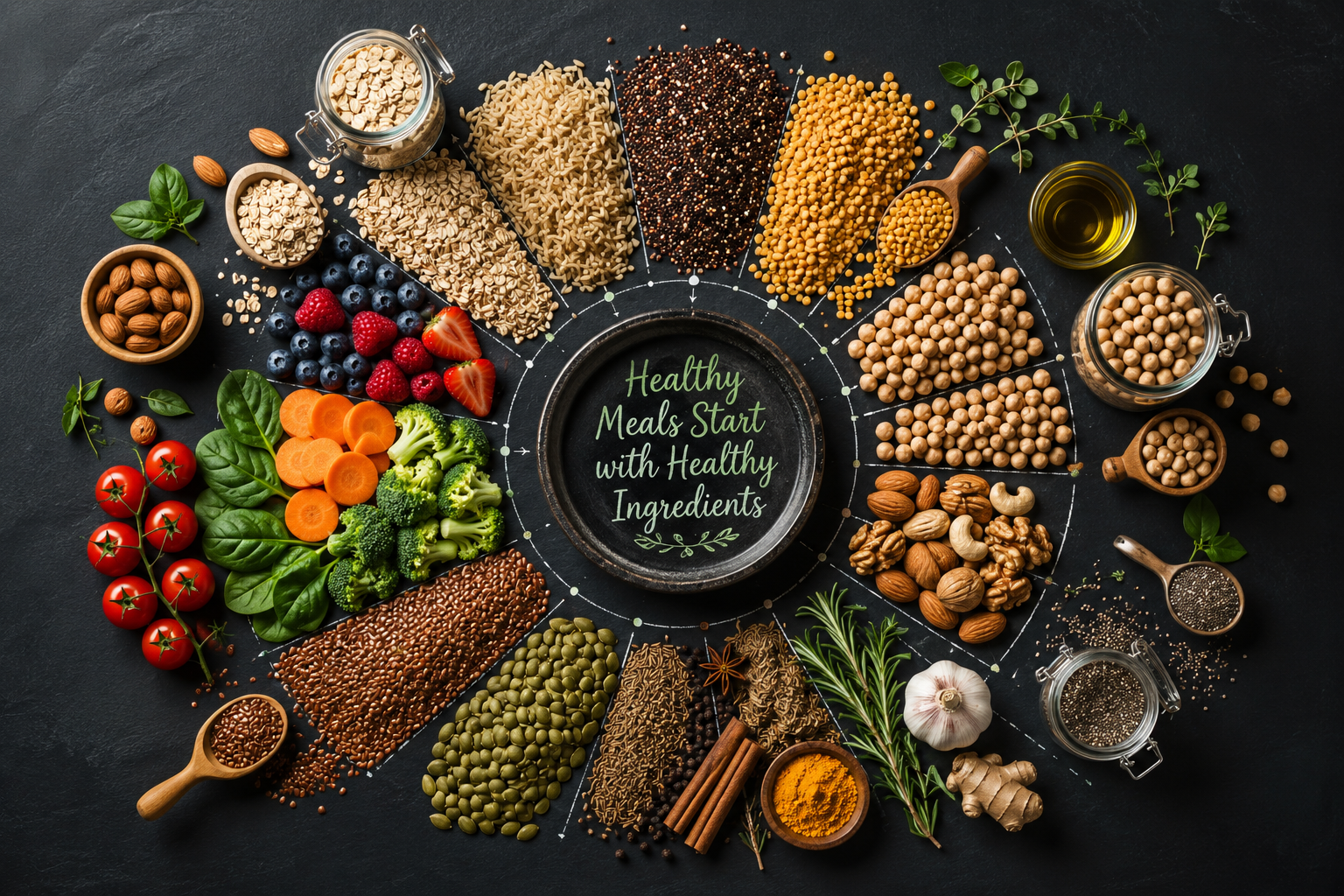
- Demand for clean and natural foods
- Focus on environmental sustainability
Understanding these trends helps individuals and businesses adapt to the evolving food landscape.
Key Healthy Meal Trends 2026
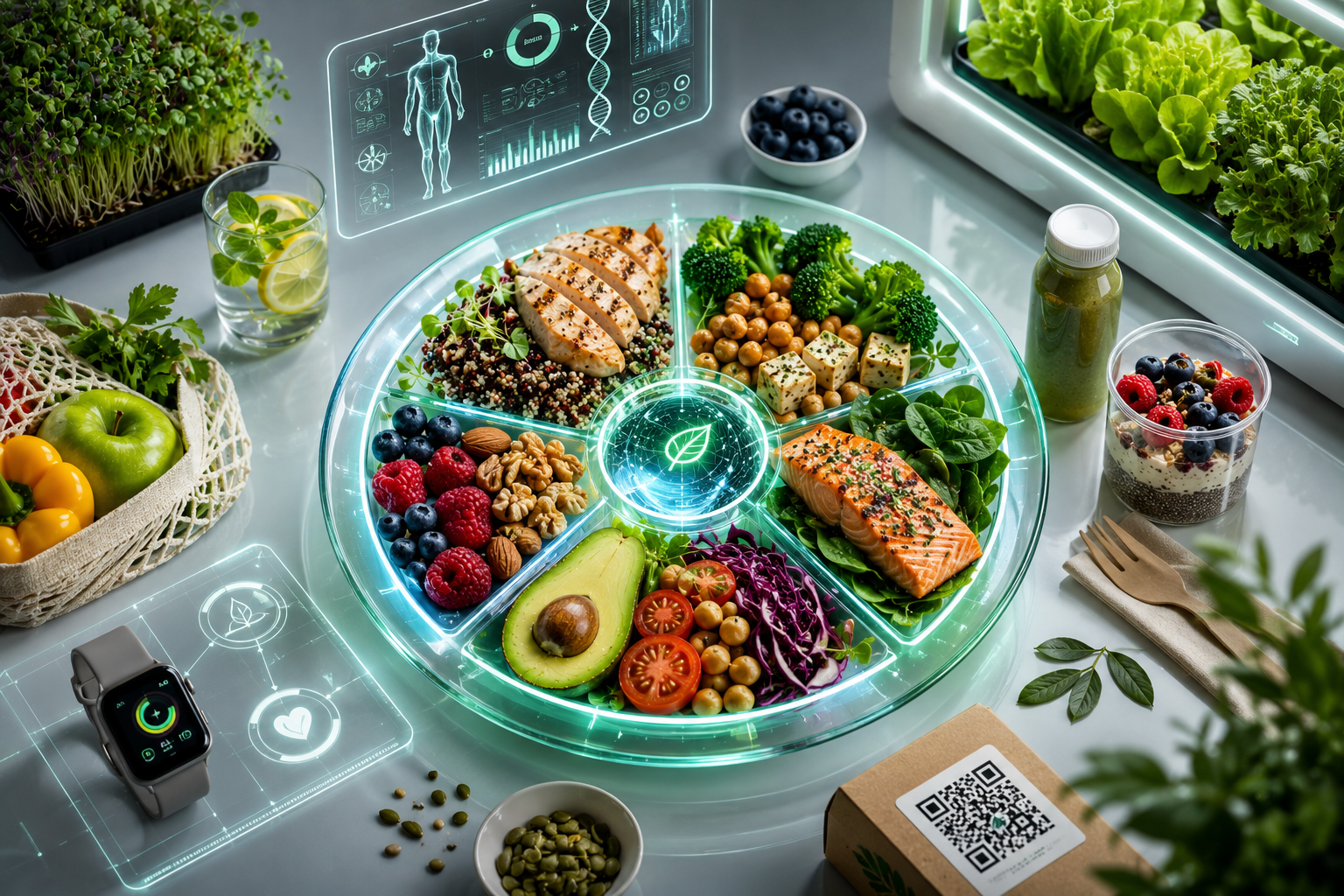
1. Personalized Nutrition Plans
Customized meal plans based on individual health data, preferences, and goals are becoming more popular.
2. Plant-Based and Flexitarian Diets
More people are shifting toward plant-based eating while still including occasional animal products.
3. Functional Foods and Superfoods
Foods enriched with additional health benefits, such as probiotics and antioxidants, are gaining demand.
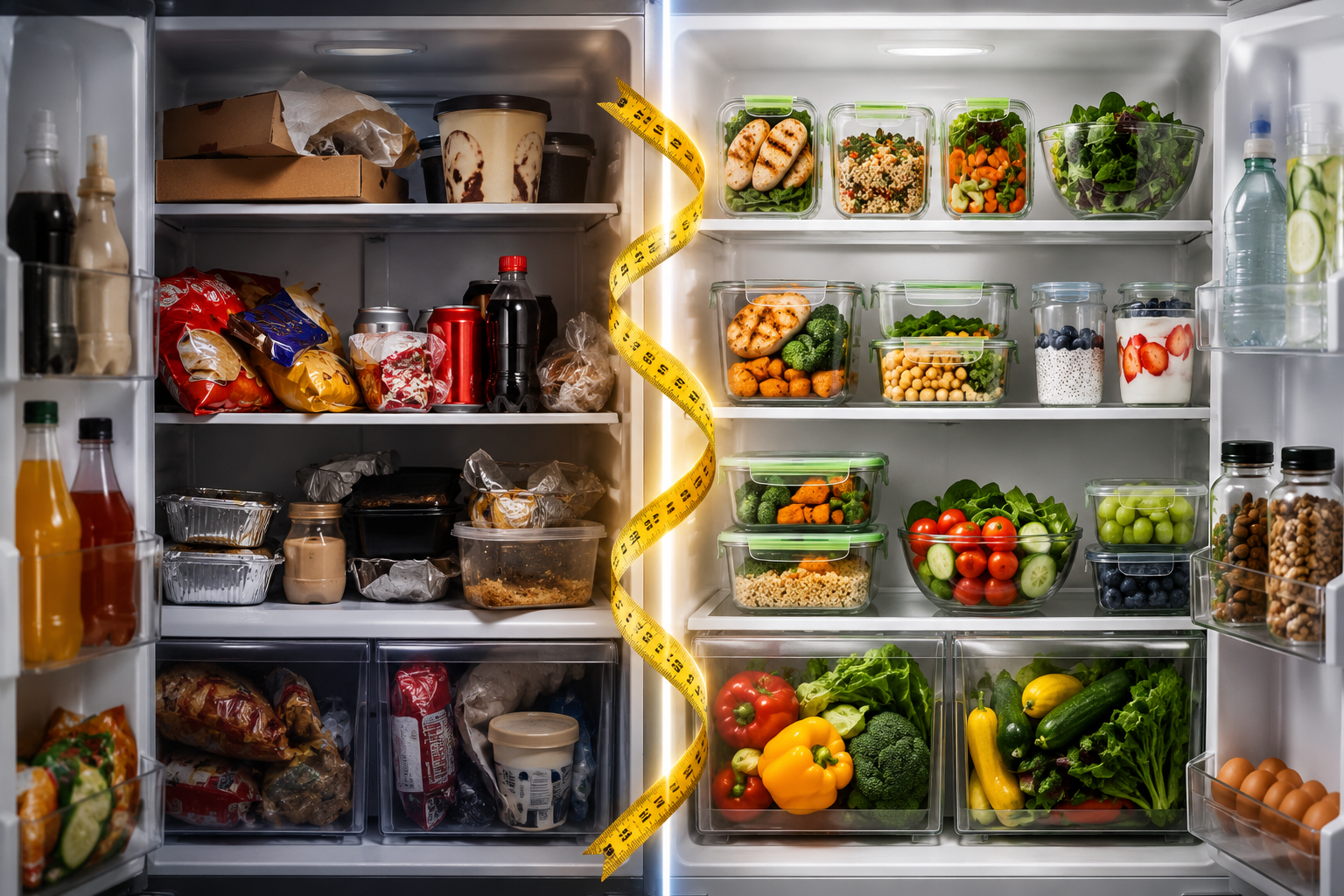
4. Clean Eating and Minimal Processing
Consumers are choosing fresh, natural foods over heavily processed options.
5. Smart Meal Planning with Technology
Apps and AI-driven tools are helping users plan and track their meals efficiently.
The Future of Healthy Eating
The future of healthy eating is centered around convenience, personalization, and sustainability.
1. Technology-Driven Diets
Wearables and apps will guide food choices based on real-time health data.
2. Sustainable Food Choices
Eco-friendly diets focusing on reducing food waste and carbon footprint will grow.
3. Ready-to-Eat Healthy Meals
Nutritious, pre-prepared meals will become more accessible for busy lifestyles.
4. Focus on Mental and Emotional Health
Nutrition will play a bigger role in improving mood and mental well-being.
Why These Trends Matter
Understanding Healthy Meal Trends 2026 helps individuals:
- Make informed food choices
- Improve long-term health
- Adapt to changing lifestyles
- Stay aligned with global nutrition shifts
How to Adapt to Healthy Meal Trends 2026
1. Start with Small Changes
Incorporate one new healthy habit at a time.
2. Use Technology for Meal Planning
Leverage apps to track nutrition and plan meals.
3. Focus on Sustainability
Choose local and seasonal foods.
4. Stay Informed
Keep up with the latest in nutrition and wellness.
Common Misconceptions About Future Food Trends
“Healthy Eating Is Expensive”
Many trends focus on affordability and accessibility.
“Technology Makes Eating Complicated”
In reality, it simplifies meal planning and tracking.
Conclusion
The Healthy Meal Trends 2026 highlight a shift toward smarter, more sustainable, and personalized eating habits. As the future of healthy eating continues to evolve, adopting these trends can help you stay healthy, informed, and prepared for what’s ahead.
Embrace change, stay mindful of your choices, and make your meals work for your health and lifestyle.
FAQs
1. What are Healthy Meal Trends 2026?
Healthy Meal Trends 2026 refer to emerging dietary habits focused on personalization, sustainability, and technology-driven nutrition.
2. What is the future of healthy eating?
The future of healthy eating includes personalized diets, sustainable food choices, and technology-assisted meal planning.
3. Why are food trends changing?
Food trends are evolving due to increased health awareness, technological advancements, and environmental concerns.
4. Are plant-based diets part of future trends?
Yes, plant-based and flexitarian diets are a major part of upcoming healthy eating trends.
5. How can I follow healthy meal trends?
Start with small changes, use meal planning tools, and focus on fresh and sustainable foods.