
Introduction
Fitness is not just about exercise and workouts, Nutrition plays an equally important role in achieving long-term health and fitness goals. Understanding the role of diet in fitness helps individuals improve energy levels, workout performance, recovery, and overall wellness.
Many people focus only on exercise while ignoring nutrition, but maintaining a balanced diet is essential for sustainable results. The importance of diet in fitness becomes even more evident when trying to improve strength, endurance, body composition, and healthy lifestyle habits.
Why Diet Is Important for Fitness
Diet provides the body with the nutrients needed to:
- Produce energy
- Support muscle recovery
- Improve physical performance
- Maintain metabolism
- Reduce fatigue
Without proper nutrition, fitness progress can slow down regardless of workout intensity.
The Role of Diet in Fitness Performance
A balanced diet supports both physical and mental performance during fitness activities.
1. Energy Production
The body requires carbohydrates, proteins, and healthy fats to generate energy for daily activities and workouts.
Energy-supporting foods:
- Whole grains
- Fruits
- Lean proteins
- Nuts and seeds
Balanced nutrition helps maintain stamina and workout consistency.
2. Muscle Recovery and Growth
Protein plays an important role in muscle repair after exercise.
Protein-rich foods for fitness:
- Chicken
- Eggs
- Greek yogurt
- Lentils
- Fish
Including enough protein helps improve recovery and supports muscle development.
3. Weight Management Support
Healthy eating habits help manage calorie intake while maintaining nutritional balance.
A proper diet combined with physical activity supports:
- Fat loss
- Lean muscle maintenance
- Healthy metabolism
Importance of Diet in Fitness Goals
Supports Workout Performance
Poor eating habits can lead to:
- Low energy
- Reduced endurance
- Poor concentration
- Delayed recovery
A balanced diet improves overall workout efficiency.
Helps Maintain Consistency
Healthy eating habits provide sustainable energy levels, making it easier to stay active consistently.
Improves Overall Wellness
Nutrition not only supports fitness but also contributes to:
- Better immunity
- Improved digestion
- Mental clarity
- Better sleep quality
Essential Nutrients for Fitness
Carbohydrates
Carbohydrates are the body’s primary energy source.
Healthy carbohydrate sources:
- Brown rice
- Oats
- Sweet potatoes
- Fruits
Proteins
Proteins support muscle repair and recovery.
Healthy protein sources:
- Lean meats
- Eggs
- Dairy products
- Plant-based proteins
Healthy Fats
Healthy fats support hormone balance and overall health.
Good fat sources:
- Avocados
- Nuts
- Olive oil
- Seeds
Vitamins and Minerals
Micronutrients support immunity, metabolism, and energy production.
Nutrient-rich foods:
- Leafy vegetables
- Fruits
- Whole foods
Healthy Diet for Fitness Goals
A healthy fitness diet should include:
- Balanced macronutrients
- Portion control
- Hydration
- Whole foods
- Regular meal timing
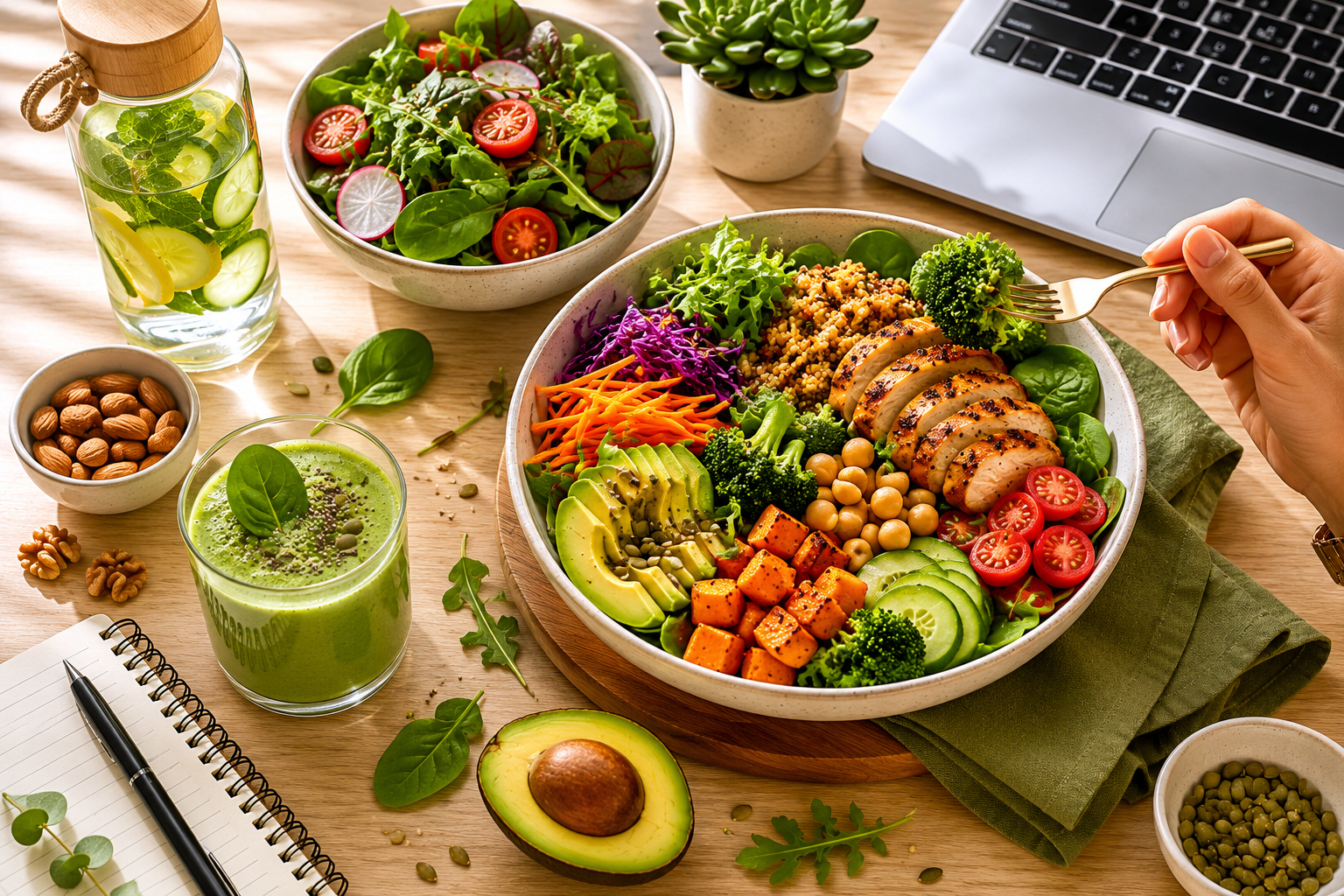
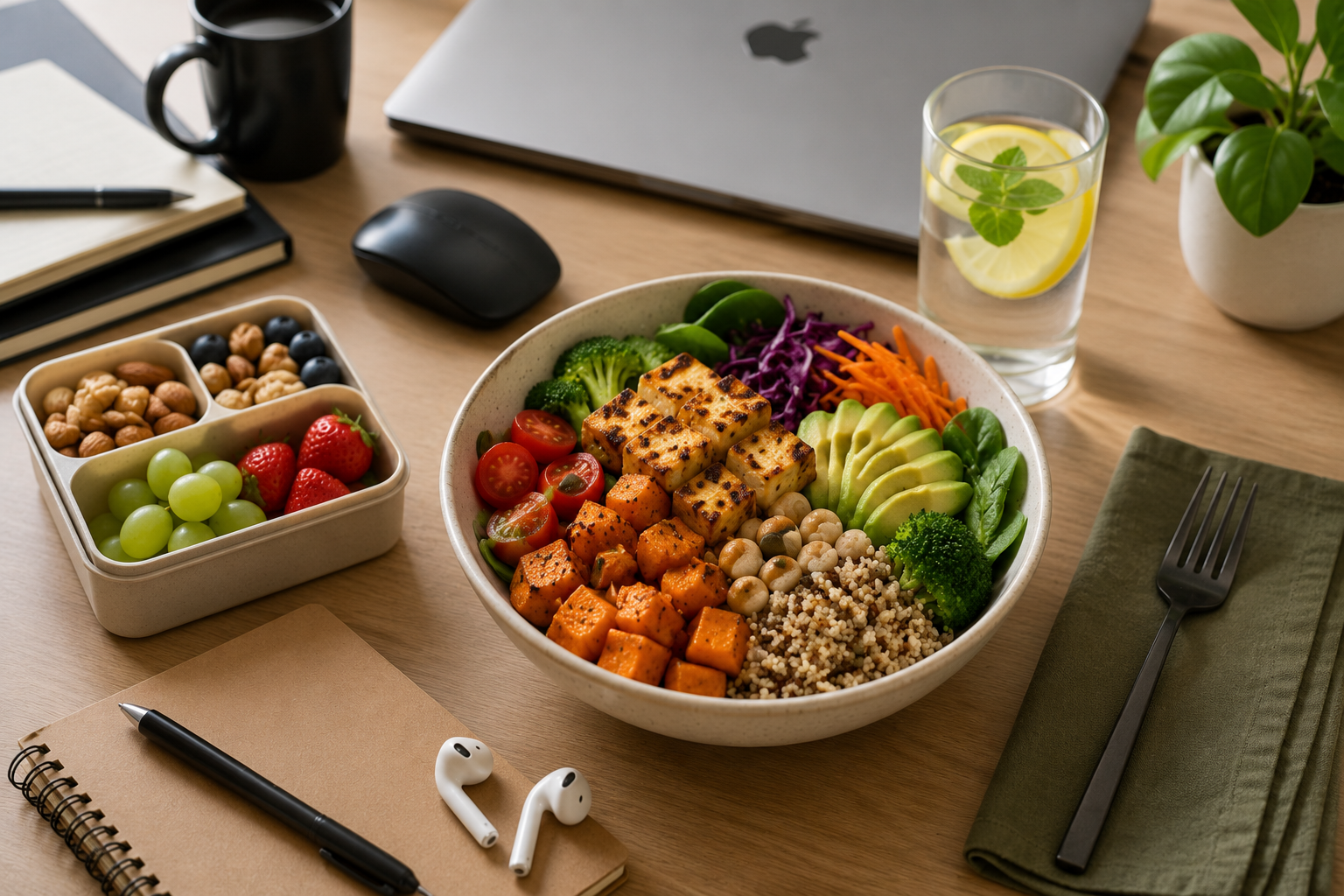
Healthy fitness meal examples:
- Grilled chicken with vegetables
- Brown rice bowls
- Protein smoothies
- Quinoa salads
For busy individuals trying to maintain healthier eating habits, nutritious meal options from Mista Eats can help simplify balanced nutrition and fitness-focused eating.
Common Diet Mistakes in Fitness
Skipping Meals
Skipping meals may reduce energy levels and affect workout performance.
Excess Processed Foods
Highly processed foods often lack nutritional value and may slow fitness progress.
Ignoring Hydration
Water plays a major role in:
- Energy production
- Digestion
- Recovery
- Performance
Proper hydration is essential for fitness and overall healthy.
Role of Diet in Fitness for Busy Professionals
Professionals with hectic schedules often struggle to maintain balanced eating habits. In cities like Hyderabad, areas such as KPHB, Hitech City, Gachibowli, and Madhapur are seeing increasing demand for:
- Healthy meal plans
- Fitness nutrition support
- Meal prep solutions
- Healthy food delivery
This shift highlights growing awareness about the connection between diet and fitness.
Tips to Maintain a Fitness-Friendly Diet
Plan Meals Ahead
Meal planning helps avoid unhealthy food choices.
Prioritize Whole Foods
Choose minimally processed foods rich in nutrients.
Stay Consistent
Consistency is more effective than extreme dieting.
Combine Nutrition with Exercise
Balanced eating and regular workouts work together for better fitness results
Conclusion
Understanding the role of diet in fitness is essential for achieving sustainable health and wellness goals. A balanced diet supports energy, recovery, workout performance, and long-term fitness success.
The importance of diet in fitness goes beyond physical appearance – it helps build healthier habits, improve overall well-being, and maintain a stronger lifestyle over time.
FAQs
1. What is the role of diet in fitness?
The role of diet in fitness is to provide the body with essential nutrients needed for energy, muscle recovery, endurance, and overall physical performance.
2. Why is diet important for fitness goals?
Diet is important for fitness goals because balanced nutrition supports workout performance, metabolism, muscle growth, fat loss, and long-term health.
3. What foods are best for a fitness-focused diet?
A fitness-focused diet should include lean proteins, whole grains, healthy fats, fruits, vegetables, and nutrient-rich whole foods.
4. Can nutrition improve workout performance?
Yes, proper nutrition helps improve energy levels, stamina, recovery, focus, and overall workout performance.
5. How can busy professionals maintain a healthy fitness diet?
Busy professionals can maintain a healthy fitness diet through meal planning, healthy snacking, hydration, portion control, and choosing balanced meal options consistently.