

Introduction
Protein has become one of the biggest nutrition trends on social media. Protein bars, shakes, cereals, snacks, coffees, and high-protein meals seem to be everywhere.
But does everyone actually need a high-protein diet?
Protein is an essential nutrient, but the amount you need depends on factors such as age, body size, activity level, and overall health. Instead of following the latest social media trend, understanding your individual needs can help you build a more balanced approach to nutrition.
Why Is Protein So Important?
Protein is made up of amino acids that your body uses for many essential functions. It supports:
- Muscle maintenance and repair
- Growth and development
- Enzyme and hormone production
- Immune function
- Tissue repair
- Healthy bones and other body tissues
Your body needs protein regularly because it cannot store excess protein in the same way it stores fat.
How Much Protein Do You Actually Need?
For healthy adults, a commonly used baseline recommendation is around 0.8 grams of protein per kilogram of body weight per day. However, individual needs can be higher depending on activity, age, life stage, and health circumstances.
For example, people who participate in regular strength training or other demanding physical activity may require more protein than someone who is mostly sedentary.
This is why copying an influencer’s protein target may not be appropriate for you.
If you have specific medical or nutritional needs, consult a registered dietitian or qualified healthcare professional for personalized guidance.
Signs Your Diet May Need More Protein
You don’t need to obsessively count every gram of protein. Instead, look at your overall eating pattern.
Your meals may benefit from more protein if they regularly consist mainly of refined carbohydrates or if you rarely include foods such as:
- Eggs
- Fish
- Chicken
- Greek yogurt
- Milk
- Paneer
- Tofu
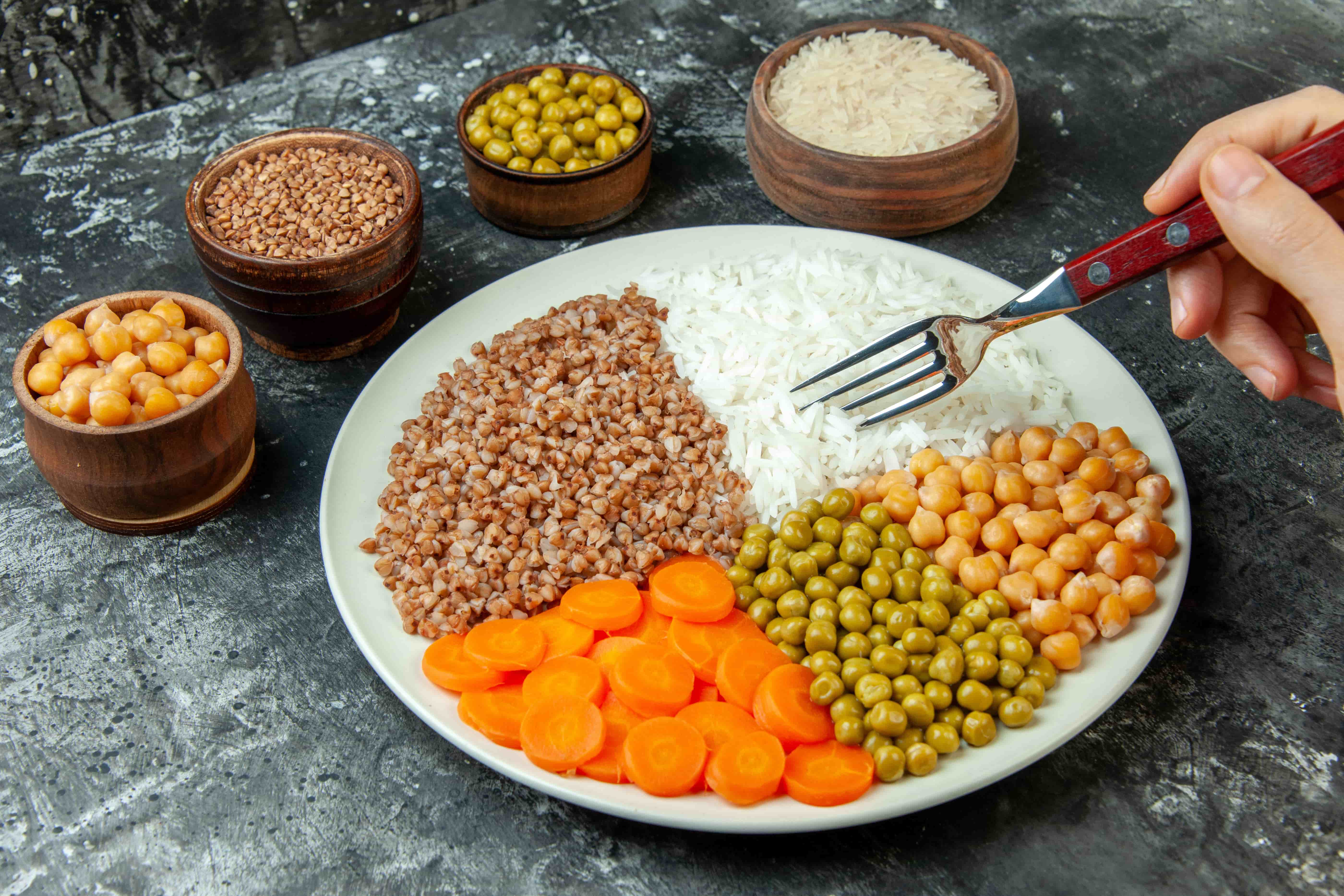
- Beans
- Lentils
- Chickpeas
- Nuts and seeds
Including a protein source with meals can make your overall diet more balanced.
Do You Need Protein Supplements?
Not necessarily.
Protein powders and bars can be convenient, particularly for people with busy schedules or higher protein requirements. However, they are supplements – not mandatory replacements for nutritious whole foods.
You can obtain protein from a wide variety of everyday foods.
Breakfast
Eggs with whole-grain toast and vegetables.
Lunch
Lentils, brown rice, and mixed vegetables.
Snack
Greek yogurt with fruit and seeds.
Dinner
Tofu, fish, chicken, or beans with vegetables and whole grains.
The goal is not simply to consume more protein. It is to build meals that provide a variety of nutrients.
More Protein Isn’t Always Better
Social media can make it seem as though more protein automatically means better nutrition.
But increasing protein excessively can crowd out other important foods, including fruits, vegetables, whole grains, and healthy fats.
A balanced diet needs more than protein. Your body also requires carbohydrates, fats, vitamins, minerals, fiber, and adequate fluids.
Think balance before quantity.
How to Build a Balanced Protein-Rich Meal
A simple meal formula can make nutrition easier:
- Protein: eggs, fish, tofu, beans, lentils, yogurt, or lean meats
- Fiber-rich carbohydrates: oats, whole grains, potatoes, fruits, or legumes
- Vegetables: include a variety of colors
- Healthy fats: nuts, seeds, avocado, or olive oil
- Fluids: water or other suitable unsweetened beverages
For busy days, Mista Eats can be an option to explore for convenient prepared meals. Check the menu and ingredients to find choices that provide balanced nutrition and fit your preferences.
Protein Trends Worth Questioning
Before buying the latest high-protein product, ask:
- How much protein does it actually provide?
- What other ingredients does it contain?
- Is it high in added sugar or sodium?
- Could I get similar nutrition from regular food?
- Does it fit into my overall diet?
A product being labeled “high protein” does not automatically make it a healthy choice.
Conclusion
Protein deserves a place in a balanced diet, but social media can make your requirements seem more complicated than they are.
Instead of chasing extreme protein targets, focus on including suitable protein sources throughout your meals and eating a wide variety of nutrient-rich foods.
The best nutrition strategy isn’t the one trending on your feed. It’s the one that meets your individual needs and can realistically fit into your everyday life.
FAQ’s
1. How much protein does an adult need each day?
A commonly used baseline for healthy adults is around 0.8 grams per kilogram of body weight daily, although individual requirements vary based on factors such as age, activity, and health.
2. What are the best sources of protein?
Eggs, fish, poultry, dairy products, tofu, beans, lentils, chickpeas, nuts, and seeds are all useful protein sources.
3. Do I need protein powder?
No. Many people can meet their protein needs through regular foods. Protein supplements can provide convenience but are not essential for everyone.
4. Can you eat too much protein?
Yes. More protein is not automatically better. Very high protein intake can displace other nutrient-rich foods from your diet and may not be appropriate for everyone.
5. Should I eat protein with every meal?
Including a protein source in meals can help create a balanced diet, but your total daily intake and overall nutritional pattern are more important than following a strict rule for every meal.