
Introduction
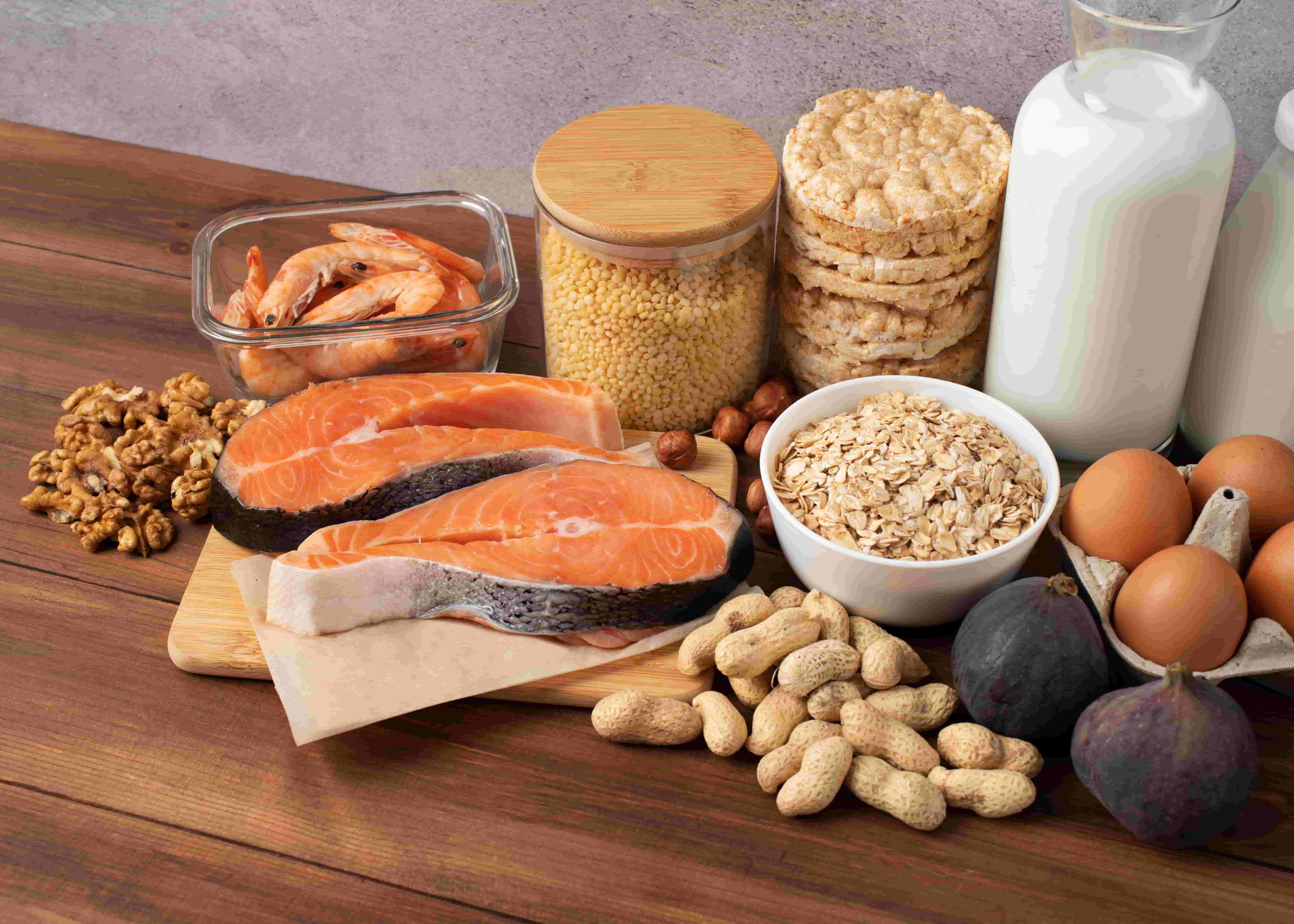
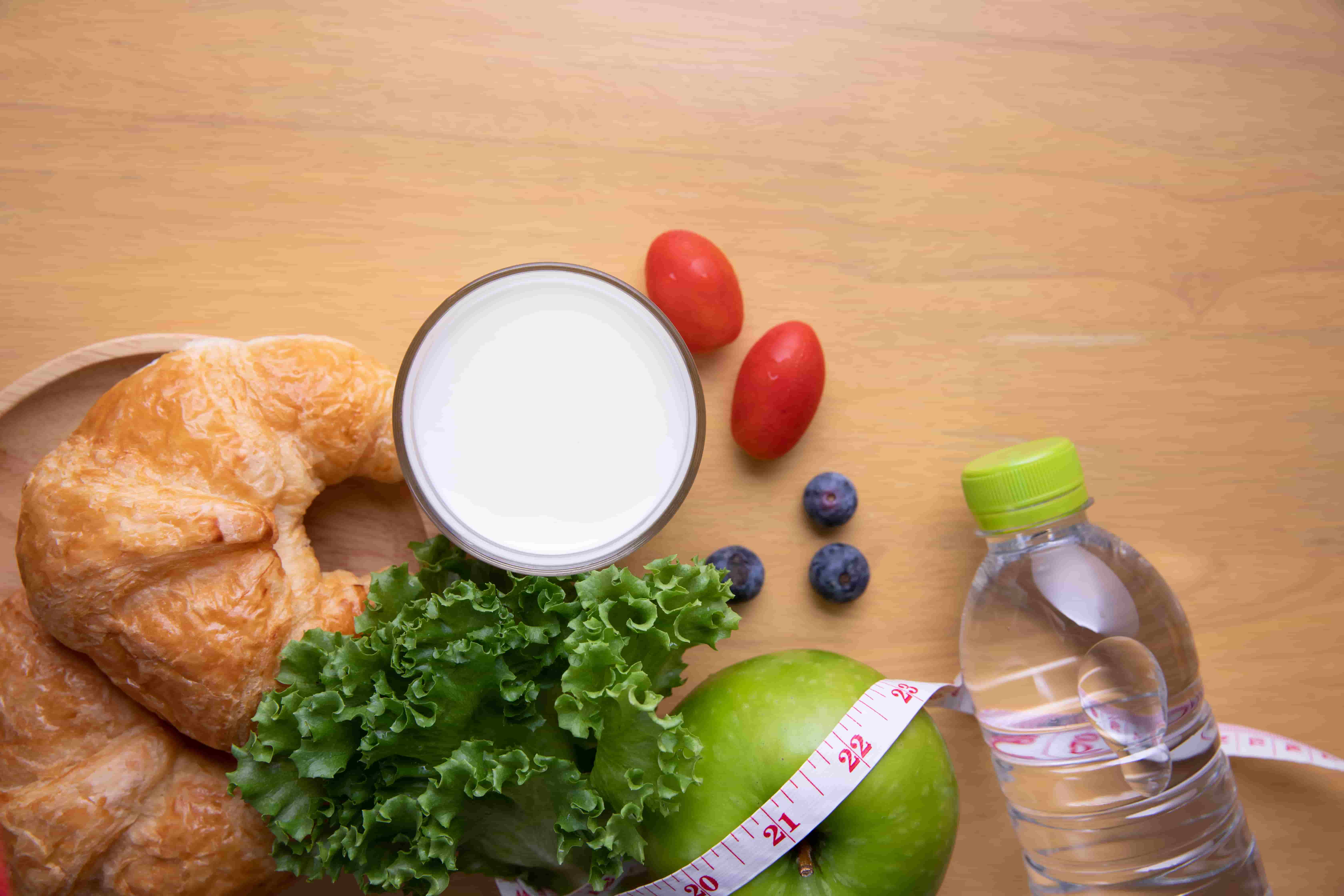
Losing weight doesn’t mean eating less – it means eating smarter. One of the most effective nutrition strategies is following a high-protein diet for weight loss. Protein helps preserve muscle, keeps you feeling full longer, and supports healthy metabolism, making it easier to manage your calorie intake without constant hunger.
In this guide, you’ll discover why protein matters, the best protein sources for weight loss, and practical ways to include more protein in your daily meals.
Why Protein Is Essential for Weight Loss
Protein is one of the three essential macronutrients, and it plays a major role in supporting healthy weight management.
Benefits of a High-Protein Diet
- Keeps you full for longer, reducing unnecessary snacking
- Helps maintain lean muscle during weight loss
- Increases calorie burn through digestion
- Supports faster recovery after exercise
- Reduces cravings and late-night hunger
When paired with regular exercise and balanced nutrition, protein becomes one of the strongest allies for sustainable weight loss.
Best Protein Sources for Weight Loss
Choosing nutrient-rich protein sources helps maximize nutrition while keeping calories under control.
1. Eggs
Eggs provide high-quality protein along with vitamins and healthy fats. They make an excellent breakfast that keeps hunger away for hours.
Protein: 6–7g per egg
2. Chicken Breast
Skinless chicken breast is lean, versatile, and packed with protein while remaining low in fat.
Protein: 30g per 100g
Best for:
- Lunch bowls
- Grilled salads
- Meal prep
3. Fish
Salmon, tuna, and other fish varieties provide protein plus heart-healthy Omega-3 fatty acids.
Protein: 22–25g per 100g
4. Greek Yogurt
Greek yogurt contains significantly more protein than regular yogurt and supports gut health.
Protein: 10–15g per serving
Perfect for:
- Breakfast
- Smoothies
- Healthy snacks
5. Cottage Cheese (Paneer)
Low-fat paneer offers slow-digesting protein that helps control hunger.
Protein: 18g per 100g
6. Lentils and Beans
Plant-based proteins also provide fiber, improving digestion and satiety.
Examples include:
- Lentils
- Chickpeas
- Kidney beans
- Black beans
7. Tofu
A great vegetarian protein source that’s rich in nutrients and easy to cook.
Protein: 15–18g per 100g
8. Lean Turkey
Turkey is naturally low in fat while offering high-quality protein.
9. Protein-Rich Nuts and Seeds
Although calorie-dense, moderate portions of nuts and seeds provide protein, fiber, and healthy fats.
- Almonds
- Pumpkin seeds
- Chia seeds
- Flaxseeds
10. Whey Protein
Ideal for people struggling to meet daily protein requirements through food alone.
Best consumed:
- After workouts
- In smoothies
- As meal supplements
How Much Protein Do You Need?
Daily protein requirements vary based on activity levels.
| Activity Level | Recommended Protein |
| Sedentary Adults | 0.8 g/kg body weight |
| Active Individuals | 1.2–1.6 g/kg |
| Weight Loss | 1.6–2.2 g/kg (based on goals and professional guidance) |
Meeting your protein needs consistently is more important than consuming excessive amounts in one meal.
Sample High-Protein Meal Plan
Breakfast
- Vegetable omelet
- Greek yogurt
- Fresh fruit
Mid-Morning Snack
- Roasted chickpeas
- Mixed nuts
Lunch
- Grilled chicken
- Brown rice
- Mixed vegetables
Evening Snack
- Cottage cheese
- Cucumber slices
Dinner
- Grilled fish or tofu
- Steamed vegetables
- Quinoa
Common Mistakes to Avoid
Skipping Vegetables
Protein alone isn’t enough. Vegetables provide essential vitamins, minerals, and fiber.
Ignoring Portion Sizes
Healthy foods still contain calories. Balance remains important.
Eating Processed Protein Foods
Many processed protein bars and snacks contain excess sugar and additives.
Drinking Too Little Water
Higher protein intake increases hydration needs.
Relying on Supplements
Whole foods should remain your primary protein source whenever possible.
Tips for Following a High-Protein Diet
- Include protein in every meal.
- Combine lean protein with vegetables and whole grains.
- Prepare meals in advance.
- Choose fresh, minimally processed foods.
- Stay physically active for better results.
Small daily habits often create the biggest long-term improvements.
Fresh Healthy Meals Made Simple
Maintaining a high-protein diet becomes much easier when healthy meals are already planned and portioned. If you’re looking for nutritious, protein-rich meals without spending hours cooking, MISTA EATS offers fresh, balanced meals prepared with quality ingredients. Whether your goal is weight loss, healthier eating, or a busy lifestyle, convenient meal delivery can help you stay consistent with your nutrition goals.
Conclusion
A high-protein diet for weight loss is more than a trend – it’s a practical and sustainable approach to healthy eating. By choosing the best protein sources for weight loss, balancing your meals, and maintaining consistency, you can support fat loss while preserving muscle and staying energized throughout the day.
Remember, successful weight loss comes from long-term habits, not quick fixes. Start with small improvements, prioritize whole foods, and make protein a regular part of every meal.
FAQ’s
1. What is the best protein source for weight loss?
Lean chicken, eggs, fish, Greek yogurt, lentils, tofu, and low-fat paneer are among the best protein sources for healthy weight loss.
2. Can a high-protein diet help burn fat?
Yes. Protein helps increase fullness, supports muscle maintenance, and slightly boosts calorie expenditure through digestion, all of which can support fat loss.
3. Is a vegetarian high-protein diet effective?
Absolutely. Foods like lentils, chickpeas, tofu, paneer, quinoa, beans, and Greek yogurt provide excellent protein for vegetarians.
4. Should I eat protein after workouts?
Yes. Consuming protein after exercise supports muscle recovery and helps preserve lean muscle while losing weight.
5. Can I lose weight without eating enough protein?
While weight loss is possible through a calorie deficit, inadequate protein intake can increase hunger and make it harder to maintain muscle mass. Including enough protein generally supports a more sustainable weight-loss approach.