
Introduction
Protein is one of the three major macronutrients your body needs every day, alongside carbohydrates and fats. It supports muscles, tissues, enzymes, hormones, and many essential body functions.
But how much protein do you actually need? And does eating more protein automatically mean eating healthier?
The answer depends on factors such as age, body size, activity level, pregnancy or breastfeeding, and individual health needs. Instead of focusing only on protein, a nutritious diet should include a variety of nutrient-dense foods.
How Much Protein Do You Need Each Day?
For generally healthy adults, the basic protein reference intake is around 0.8 grams per kilogram of body weight per day. People who exercise regularly, are older, or have specific nutritional needs may require different amounts.
For example, someone who weighs 70 kg would have a basic reference intake of approximately 56 grams of protein per day.
However, protein needs aren’t identical for everyone. Athletes, older adults, pregnant individuals, and people with certain medical conditions may need individualized guidance from a qualified healthcare professional or registered dietitian.
Rather than obsessing over an exact number, aim to include a quality protein source regularly throughout the day.
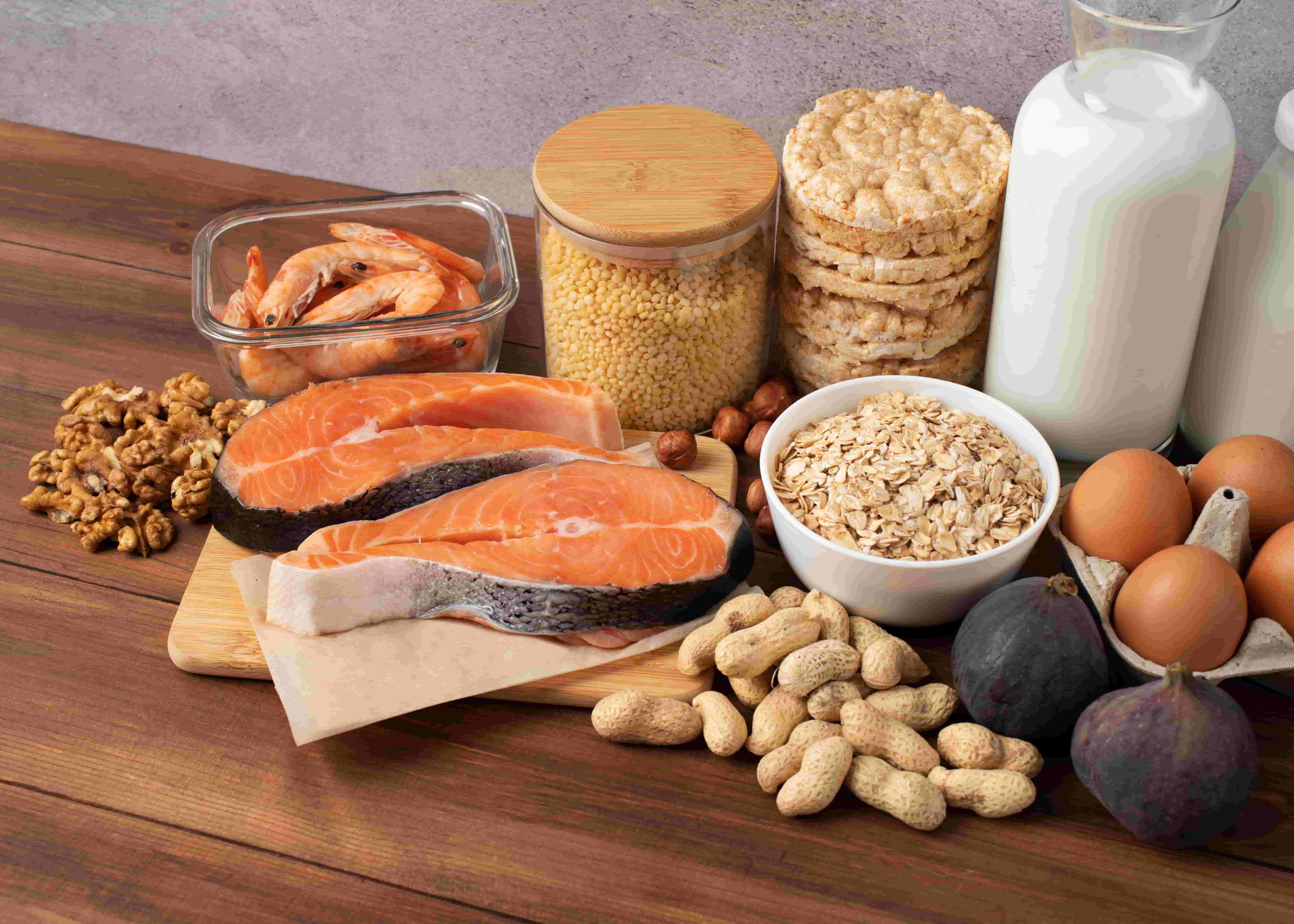
What Foods Are Good Sources of Protein?
You don’t need to rely on one food or expensive supplements to get enough protein.
Animal-Based Sources
- Eggs
- Fish
- Chicken
- Milk
- Greek yogurt
- Cottage cheese
Plant-Based Sources
- Lentils
- Chickpeas
- Beans
- Tofu
- Tempeh
- Nuts and seeds
- Soy foods
Combining different protein sources throughout the day can make meals more varied and enjoyable.
What Makes a Food Nutrient-Dense?
A nutrient-dense food provides a significant amount of beneficial nutrients relative to its calorie content.
These foods can provide protein, fiber, vitamins, minerals, healthy fats, or other important nutrients.
Examples include:
- Leafy green vegetables
- Berries and other fruits
- Beans and lentils
- Eggs
- Fish
- Yogurt
- Whole grains
- Nuts and seeds
- Vegetables
- Tofu and other soy foods
Nutrient density isn’t about labeling foods as “good” or “bad.” Many foods can fit into a balanced eating pattern.
Build a Nutrient-Dense Meal
An easy way to improve your everyday nutrition is to combine several food groups in one meal.
Try this simple structure:
Protein + Vegetables/Fruit + Whole-Food Carbohydrate + Healthy Fat
For example:
Breakfast:
Greek yogurt + oats + berries + nuts
Lunch:
Chicken or tofu + brown rice + vegetables + avocado
Dinner:
Lentils + whole grains + mixed vegetables + yogurt
Snack:
Fruit + nuts or cottage cheese
This approach provides a wider range of nutrients without requiring complicated meal plans.
You Don’t Have to Give Up Your Favorite Foods
Healthy eating doesn’t mean completely removing foods you enjoy.
Instead, consider how you can make your favorite meals more balanced.
Love pasta?
Add vegetables and a protein source.
Enjoy pizza?
Pair it with a salad or vegetable-based side.
Like burgers?
Add vegetables and choose a protein-rich filling.
Craving something sweet?
Enjoy a reasonable portion alongside an otherwise nutrient-rich eating pattern.
The goal is to create an eating pattern you can realistically maintain – not to make every meal perfect.
Easy Ways to Increase Protein
If your meals are consistently low in protein, small changes can help:
- Add eggs to breakfast.
- Choose Greek yogurt for snacks.
- Add beans or lentils to salads and bowls.
- Include tofu or tempeh in stir-fries.
- Add nuts or seeds to oats and yogurt.
- Include fish, chicken, or another protein source with main meals.
Spreading protein across meals can also make it easier to meet your overall needs.
Common Protein and Nutrition Mistakes
Avoid assuming that more protein is always better. Excessive focus on protein can sometimes push vegetables, fruits, whole grains, and healthy fats out of the diet.
Other common mistakes include:
- Eating very little dietary fiber
- Avoiding carbohydrates unnecessarily
- Depending heavily on protein supplements
- Eating the same foods every day
- Ignoring micronutrient variety
- Treating individual foods as “superfoods”
A balanced eating pattern is about the overall combination of foods.
Make Nutritious Eating More Convenient
Busy schedules can make it difficult to consistently prepare balanced meals. Having convenient meals available can make it easier to include protein, vegetables, whole-food carbohydrates, and other nutrient-rich ingredients in your routine.
Mista Eats offers freshly prepared meals that can be a practical option when you want convenient food without spending additional time planning and cooking every meal. Choosing meals with a variety of nutrient-dense ingredients can make balanced eating easier during busy days.
Conclusion
Knowing how much protein you need is useful, but protein is only one part of good nutrition. A healthy eating pattern should also provide fiber, vitamins, minerals, carbohydrates, healthy fats, and enough variety to support your body’s needs.
Choose nutrient-dense foods regularly, include protein throughout the day, and keep your favorite foods in the picture rather than relying on unnecessary restriction.
Healthy eating doesn’t have to be complicated. Variety, balance, and consistency can make nutritious eating more enjoyable and sustainable.
FAQ’s
1. How much protein does an average adult need?
A commonly used reference intake for healthy adults is about 0.8 grams of protein per kilogram of body weight per day, although individual needs can vary.
2. What are the best protein-rich foods?
Eggs, fish, chicken, dairy, lentils, beans, tofu, tempeh, nuts, and seeds are all useful protein sources.
3. What is a nutrient-dense food?
A nutrient-dense food provides important nutrients such as protein, fiber, vitamins, minerals, or healthy fats relative to its calorie content.
4. Do I need protein supplements to meet my protein needs?
Not necessarily. Many people can obtain adequate protein from foods such as eggs, dairy, fish, poultry, legumes, soy foods, nuts, and seeds.
5. Can I eat my favorite foods while maintaining healthy nutrition?
Yes. Healthy eating can include foods you enjoy. Focus on overall dietary variety and balance rather than completely eliminating individual foods.