
Introduction
Your digestive system plays an important role in overall health, and the foods you regularly eat can influence your gut environment. Building a gut-friendly meal doesn’t require expensive ingredients or complicated recipes. It starts with combining fiber-rich plant foods, fermented foods, adequate fluids, and a varied diet.
From yogurt and kefir to vegetables, whole grains, legumes, and fruits, everyday foods can provide nutrients that support a healthy digestive system.
What Is a Gut-Friendly Meal?
A gut-friendly meal contains a variety of foods that support digestion and contribute to a diverse gut microbiome.
A simple meal can combine:
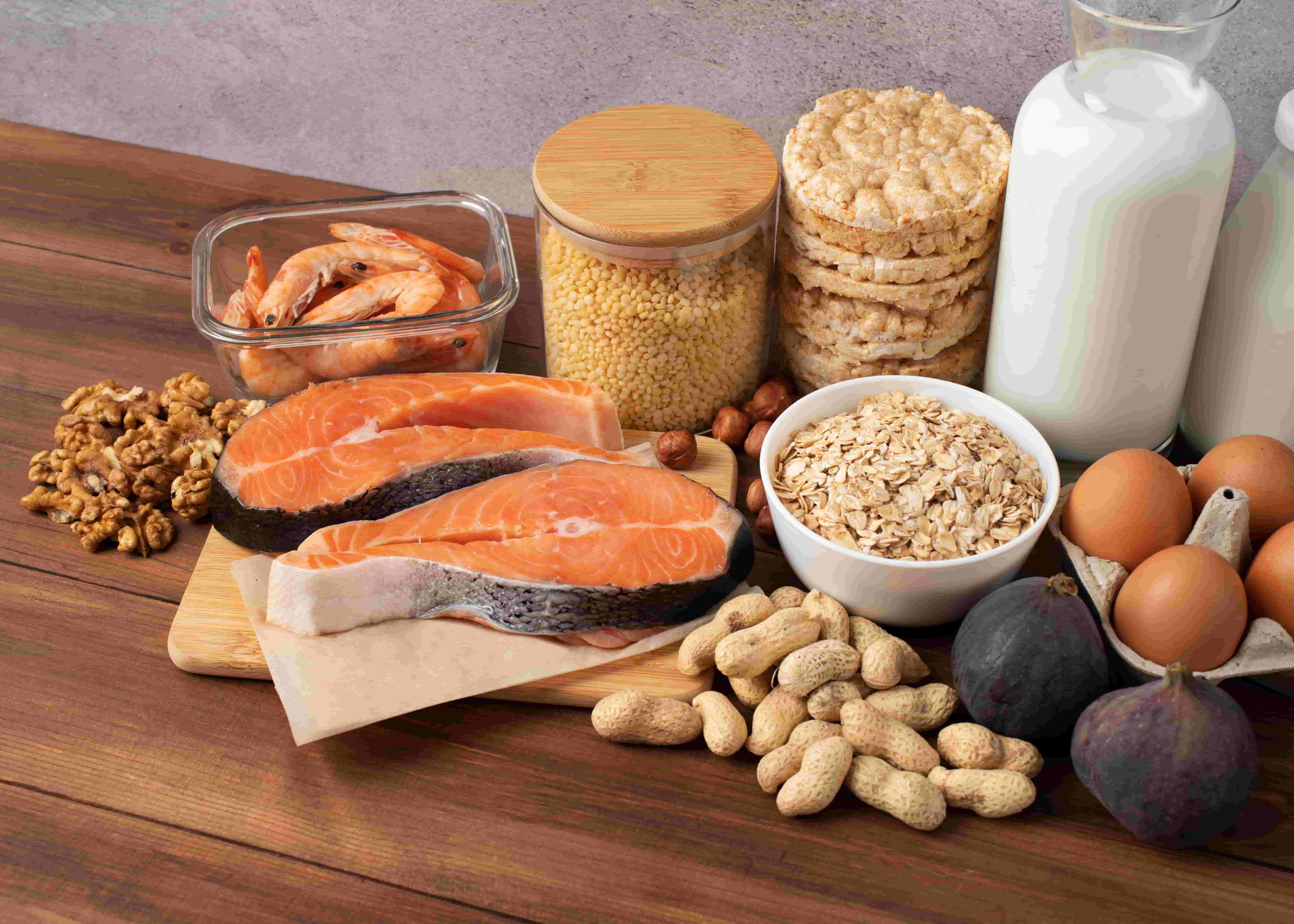
- Fiber-rich foods: vegetables, fruits, legumes, and whole grains
- Fermented foods: yogurt, kefir, kimchi, sauerkraut, or other fermented vegetables
- Protein: eggs, fish, poultry, tofu, beans, or lentils
- Healthy fats: nuts, seeds, avocado, and olive oil
- Fluids: water and other suitable unsweetened beverages
Variety matters because different foods provide different nutrients and types of fiber.
Why Fiber Matters for Gut Health
Fiber is an important part of a gut-friendly eating pattern. Certain types of dietary fiber are fermented by gut microbes and can support the production of beneficial compounds in the colon.
Good sources include:
- Oats
- Beans and lentils
- Apples
- Berries
- Bananas
- Broccoli
- Carrots
- Whole grains
- Nuts and seeds
If your current diet is low in fiber, increase it gradually. A sudden large increase may cause temporary gas or bloating.
Fermented Foods and Gut Health
Fermented foods are made through controlled microbial fermentation. Some contain live microorganisms, while others may not contain live cultures after processing.
Yogurt
Choose plain yogurt with live cultures when available. It provides protein and can be an easy addition to breakfast or snacks.
Kefir
Kefir is a fermented milk drink that can provide live cultures and protein.
Kimchi and Sauerkraut
Fermented vegetables can add variety and flavor to meals while contributing plant-based nutrients.
Fermented Soy Foods
Foods such as tempeh provide plant-based protein and can be used in salads, bowls, wraps, and stir-fries.
When buying fermented foods, check labels because some products can contain significant amounts of added sugar or sodium.
How to Build a Gut-Friendly Plate
Instead of focusing on a single “superfood,” build meals using several complementary food groups.
Breakfast
Oats + yogurt + berries + nuts
This combination provides fiber, protein, fruit, and healthy fats.
Lunch
Lentils + brown rice + mixed vegetables + yogurt
This meal combines plant-based protein, fiber, whole-food carbohydrates, vegetables, and fermented dairy.
Dinner
Tofu or fish + roasted vegetables + whole grains
Add a small serving of fermented vegetables if you enjoy them.
Snack
Fruit + plain yogurt or vegetables + hummus
Simple combinations can make nutritious eating easier without complicated preparation.
Prebiotics vs. Probiotics: What’s the Difference?
The terms can sound similar but refer to different things.
Probiotics are live microorganisms that, when consumed in adequate amounts, can provide health benefits in specific circumstances.
Prebiotics are substrates that are selectively used by host microorganisms and can support beneficial microbes.
Prebiotic-rich foods include onions, garlic, asparagus, oats, legumes, and some fruits and vegetables.
A varied diet can provide both types of foods.
Healthy Habits That Support Digestion
Food is only one part of digestive health. Consider these everyday habits:
- Eat a variety of plant foods
- Increase fiber gradually
- Drink fluids regularly
- Stay physically active
- Eat meals at a comfortable pace
- Prioritize adequate sleep
- Limit excessive alcohol intake
- Avoid relying heavily on highly processed foods
You don’t need to completely eliminate processed foods. Focus on making nutrient-rich whole and minimally processed foods the foundation of your eating pattern.
Common Gut Health Mistakes
Avoid assuming that one food can “heal” your gut. Gut health is influenced by overall dietary patterns and lifestyle.
Other common mistakes include:
- Increasing fiber too quickly
- Eating fermented foods only because they are trending
- Ignoring personal food intolerances
- Having a very limited diet
- Forgetting hydration
- Expecting immediate results
If certain foods consistently cause significant digestive symptoms, consider discussing them with a qualified healthcare professional rather than eliminating multiple food groups on your own.
Make Gut-Friendly Eating More Convenient
Busy schedules can make consistent meal preparation difficult. Having balanced meals available can make it easier to include vegetables, whole grains, protein, and other nutritious ingredients regularly.
Mista Eats can be a convenient option when you want a freshly prepared meal without spending additional time shopping, cooking, and cleaning up. Choosing meals with a variety of nutrient-rich ingredients can help make healthy eating more practical during busy days.
Conclusion
Building a gut-friendly meal is less about finding one magical food and more about creating a varied, balanced eating pattern.
Include fiber-rich plants, fermented foods when suitable for you, quality protein, healthy fats, and adequate fluids. Introduce changes gradually and pay attention to how your body responds.
Consistent, diverse nutrition combined with healthy lifestyle habits can provide a practical foundation for supporting digestive and overall health.
FAQ’s
1. What is a gut-friendly meal?
A gut-friendly meal typically combines fiber-rich plant foods, protein, healthy fats, and, when suitable, fermented foods containing live cultures.
2. What fermented foods are good for gut health?
Yogurt, kefir, kimchi, sauerkraut, and certain fermented soy foods are common options. Check labels because processing can affect whether live cultures remain.
3. Are probiotics and fermented foods the same?
Not necessarily. Some fermented foods contain live microorganisms, but not every fermented food qualifies as a probiotic product with demonstrated health benefits.
4. What foods support healthy digestion?
Fiber-rich foods such as fruits, vegetables, legumes, whole grains, nuts, and seeds can support digestive health as part of a varied diet.
5. How quickly can diet changes affect digestion?
It varies between individuals. Gradually increasing fiber and making consistent dietary changes may be easier for digestion than making several major changes at once.