
Journey Through the Sands: An Ultimate Guide to Desert Trekking Adventures
Desert trekking offers an unparalleled adventure that combines the thrill of exploration with the peaceful solitude of vast, open landscapes. Far from typical hiking trails, desert treks immerse you in an environment of extremes—from scorching
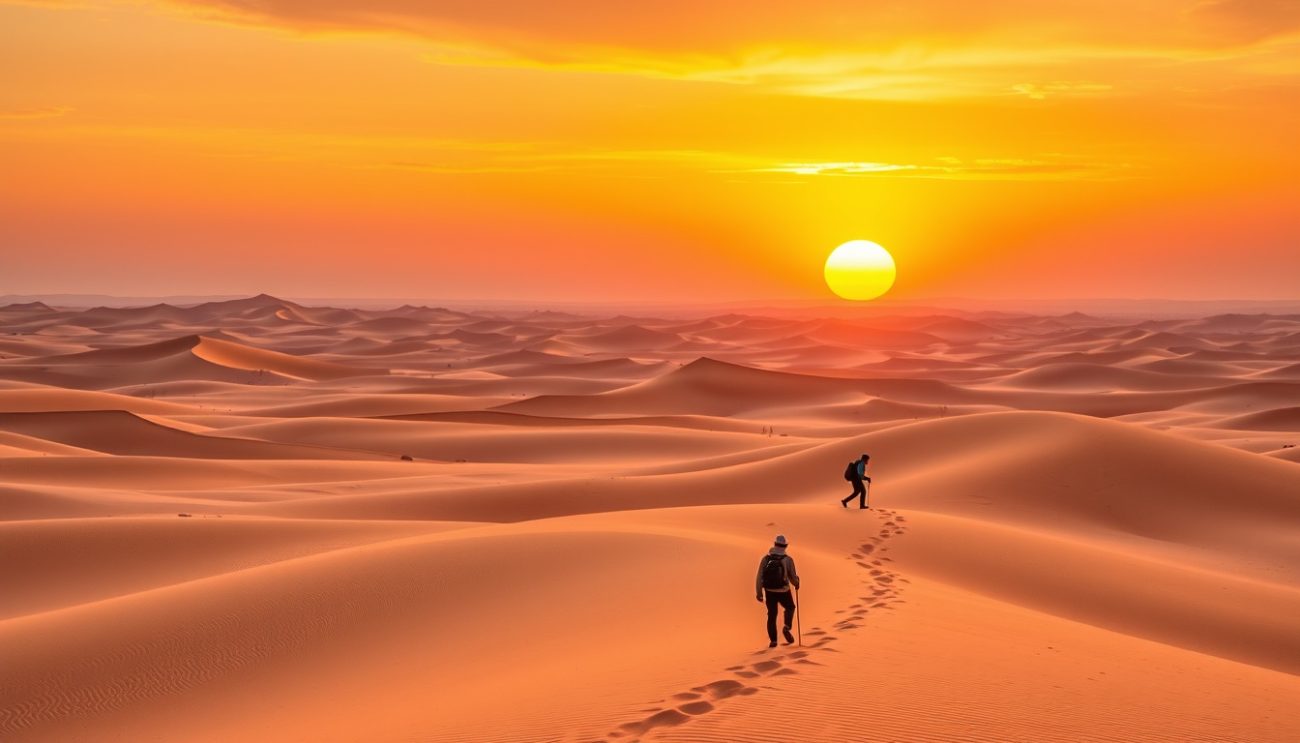
Desert trekking offers an unparalleled adventure that combines the thrill of exploration with the peaceful solitude of vast, open landscapes. Far from typical hiking trails, desert treks immerse you in an environment of extremes—from scorching days under relentless sun to crisp, chilly nights beneath star-spangled skies. This guide dives deep into what makes desert trekking unique, how to prepare effectively, and essential tips to ensure a safe, fulfilling journey through some of the world’s most mesmerizing deserts.

Why Choose Desert Trekking?
Unlike other hiking destinations, deserts present a world largely untouched by constant human activity—no bustling towns, no crowded trails, just sweeping sand dunes, rugged rock formations, and endless horizons. Trekking through deserts like Jordan’s Wadi Rum or Morocco’s Anti-Atlas Mountains connects you to the raw beauty and ruggedness reminiscent of legendary explorers. The shifting sands and vast landscapes challenge the body and spirit, rewarding trekkers with breathtaking views and a profound sense of achievement.
Popular Desert Trekking Destinations
-
Wadi Rum, Jordan: Known as the "Valley of the Moon," this rust-red sandstone landscape features towering jebels, soft dunes, and dramatic vistas. It famously served as the backdrop for films like Lawrence of Arabia.
-
Morocco’s Atlas and Anti-Atlas Mountains: These regions blend desert oases, ancient kasbahs, and rugged valleys, offering both cultural richness and stunning natural scenery.
-
The Sahara Desert, North Africa: Trekking here presents an unmatched expanse of golden dunes, spectacular sunsets, and remote Berber villages.
Each destination carries its own allure and requires different preparation, but all share the challenge and magic of desert trekking.
Preparing for Your Desert Trek
Packing Smart and Light
Desert trekking demands a balance between carrying essentials and keeping your load manageable. Veteran hikers stress packing twice to refine what you truly need. The desert’s unique temperature swings—extreme heat by day and cool to cold nights—necessitate layering:
- Start with lightweight, breathable clothing that covers to protect from sunburn and abrasions.
- Bring warm layers like a fleece or down jacket for the evenings.
- Include both a ‘dirty’ set of clothes for trekking and a ‘clean’ set to stay fresh during rest periods.
Footwear Choice
Desert terrains fluctuate. Sand can be blisteringly hot, while rocky sections require sturdy support. Opt for lightweight, breathable walking shoes or desert boots rather than heavy hiking boots, unless the trek involves rugged mountain paths. Short gaiters help keep sand from infiltrating your shoes.
Sun and Dust Protection
A traditional Middle Eastern shemagh or scarf is invaluable—it shields your head and face from sun, sand, and dust. Combine this with high-SPF sunscreen, lip balm, sunglasses, and wide-brimmed hats for full protection.
Hydration is Key
Carry at least 1.5 to 2 liters of water per day, more on hotter or longer trekking days. Hydration systems integrated in backpacks allow you to drink on the move—crucial in arid climates. Also consider hydration salts to replenish electrolytes lost through sweat.
Essential Gear for Desert Trekking
Drawing from desert hiking expertise and the well-established “10 Essentials” concept, here are must-have items and considerations:
- Water Supply: Ample, reliable hydration is your lifeline—never underestimate its importance.
- Extra Food: Pack high-energy snacks like trail mix or granola bars to maintain stamina.
- Navigation Tools: A map and compass remain indispensable even if you rely on GPS or a phone.
- First Aid Kit: Prepare for minor injuries and health issues with a well-stocked kit.
- Sun Protection: Sunscreen, lip balm, sunglasses, and protective clothing safeguard against sun damage.
- Comb or Small Tool: Useful for removing cactus spines or desert debris.
- Light Source: Headlamps or flashlights with extra batteries help navigate dusk or emergencies.
- Reflective Signaling Mirror: Can be used to signal for help at a distance.
- Insulation: Lightweight jackets or emergency blankets to combat dropping nighttime temperatures.
- Whistle: Effective for signaling if separated from your group.
Key Tips for a Successful Desert Trek
- Follow Footprints: Walking on compacted sand where previous trekkers have passed reduces energy expenditure and sinking.
- Wear Walking Boots: Despite the heat, boots provide stability on rocky terrain and help prevent injuries.
- Prepare for Nightfall: Temperatures can plummet. Carry warm layers and a reliable light source.
- Drink Frequently: The dry air causes rapid dehydration; sip water consistently instead of waiting to feel thirsty.
- Respect the Environment: Stick to trails, pack out all litter, and minimize your impact on fragile desert ecosystems.
Hiking Etiquette and Environmental Responsibility
Deserts are ecosystems of delicate balance. As a desert trekker:
- Stay on marked or established paths to protect native flora and fauna.
- Yield according to trail etiquette: hikers ascending have right of way; bicyclists yield to horses and hikers.
- Avoid disturbing wildlife; observe from a safe distance.
- Leave no trace: pack out all trash, avoid damaging rocks or plants, and respect cultural sites.
Adhering to these principles preserves the desert for future adventurers and safeguards indigenous habitats.
What to Expect on a Desert Trekking Trip
Desert trekking challenges your endurance and resilience, with demanding ascents over rocky slopes and endless sand dune crossings. The environment is often silent except for the wind—a rare opportunity to connect deeply with nature. Camp setups can range from minimalist desert tents to remote oasis spots, offering a glimpse into traditional Bedouin life or local rural communities.
Many guided tours provide expert leadership, ensuring safe pacing and support such as mule carriers for heavy loads. Meals in the desert, often enjoyed amid stunning landscapes, might include refreshing teas, fresh bread, and local specialties, enhancing the immersive cultural experience.
Conclusion
Embarking on a desert trekking journey invites you to confront nature’s extremes and embrace the extraordinary beauty of vast, open wilderness. From meticulous packing and smart hydration to respecting delicate desert environments, preparation is key to making the most of this captivating challenge. Whether wandering the cinematic landscapes of Wadi Rum or crossing Morocco’s dramatic Anti-Atlas, desert trekking promises memories of solitude, adventure, and awe-inspiring landscapes that will stay with you long after you leave the sands behind.
Embrace the ultimate adventure and prepare to journey through the sands like never before.