
Mastering Balance Training: Unlock Your Body’s Stability and Strength for Everyday Life
Balance is a fundamental component of physical health that allows us to perform daily activities smoothly and safely. Whether walking, climbing stairs, or simply standing, good balance is essential to maintaining independence and preventing falls,
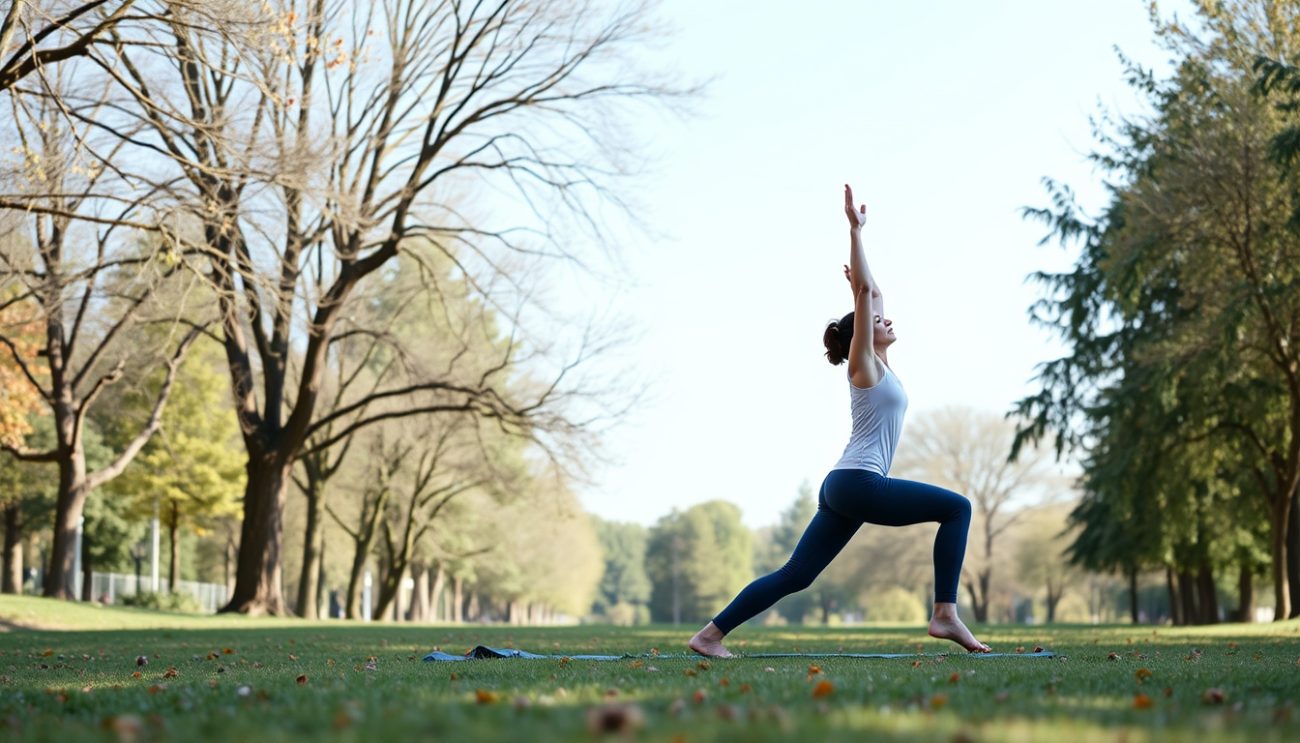
Balance is a fundamental component of physical health that allows us to perform daily activities smoothly and safely. Whether walking, climbing stairs, or simply standing, good balance is essential to maintaining independence and preventing falls, especially as we age. Mastering balance training strengthens your body’s stability and enhances your overall physical function. This guide explores the importance of balance, who can benefit most from balance training, and effective exercises to help you unlock your body’s potential.
Understanding Balance and Its Importance
Balance refers to the ability to control your body’s center of gravity within your base of support. It involves a complex interplay between sensory information from the vestibular system (inner ear), vision, and proprioception (body awareness), all coordinated by the brain. Proper balance enables you to maintain posture and perform coordinated movements, whether static (standing still) or dynamic (walking or moving).
As people age or face certain health conditions, balance control can diminish due to factors such as weakened muscles, reduced flexibility, slowed sensory processing, or neurological conditions. This decline increases the risk of falls—one of the leading causes of injury in older adults—and can negatively affect daily living activities and quality of life.
Who Can Benefit from Balance Training?
While balance training is beneficial for everyone, it is especially crucial for:
- Older adults: Reducing fall risk and maintaining independence.
- Individuals with neurological disorders: Such as Parkinson’s disease, stroke survivors, multiple sclerosis, or dementia.
- People managing musculoskeletal issues: Including back pain or joint problems.
- Cancer rehabilitation patients: To regain strength and coordination.
- Obese individuals: Who may carry weight unevenly, affecting stability.
- Amputees: Who need to adapt to altered balance demands.
By incorporating balance training into your routine, you can improve posture, strengthen muscles (particularly the core), enhance coordination, and boost confidence in your movement abilities.
Principles and Benefits of Balance Training
Effective balance training programs generally include a mix of exercises that:
- Challenge both static (still) and dynamic (moving) stability.
- Vary the base of support by changing foot placement or stance.
- Adjust the center of gravity through changes in posture or limb movement.
- Incorporate different surfaces, such as stable floors or unstable platforms like balance boards or pillows.
- Progressively increase difficulty by adding dual-task challenges combining physical and cognitive tasks.
Consistent balance training, ideally performed at least three days per week for 30-45 minutes, can lead to:
- Decreased risk of falls and related injuries.
- Improved walking speed, posture, and functional mobility.
- Enhanced muscle strength, particularly in the lower limbs and core.
- Greater self-efficacy and reduced fear of falling.
- Better overall quality of life and independence.
Practical Balance Exercises You Can Try

Here are accessible and effective balance exercises that can be done at home, with modifications to suit different ability levels:
1. Weight Shifts
- Stand with feet hip-width apart, distribute your weight evenly.
- Shift weight to the right, lift the left foot slightly off the ground.
- Hold for up to 30 seconds, then switch sides.
- Use a support like a counter if needed.
2. Single-Leg Stand
- Stand with feet hip-width apart, hands on hips.
- Lift one leg, bending the knee slightly.
- Hold for 10–30 seconds, repeat on both sides.
- Increase difficulty by standing on a soft surface or closing your eyes.
3. Heel-to-Toe Walk
- Walk in a straight line placing the heel of one foot directly in front of the toes of the other.
- Keep gaze forward and move slowly.
- Perform 5-10 steps; use support if needed.
4. Sideways Walking and Grapevine Steps
- Step sideways slowly for several steps, then back.
- Grapevine involves crossing one foot over the other while walking sideways.
- Focus on controlled movement and hip stability.
5. Step-Ups
- Use a step or a low platform.
- Step up with one leg, then bring the other to join.
- Step down slowly and repeat for several repetitions.
6. Bicep Curls with Single-Leg Balance
- Hold a light weight and perform bicep curls while balancing on one leg.
- This combines strength and balance training for added challenge.
7. Tai Chi and Yoga
- These gentle movement practices enhance balance, flexibility, and coordination.
- Classes or guided videos can help incorporate these safely into your routine.
Safety Tips
- Perform exercises near a sturdy object or wall for support.
- Wear comfortable clothing and shoes.
- Start slowly and gradually increase the intensity and duration.
- Consult a healthcare professional before starting if you have serious health conditions or balance impairments.
Assessing and Monitoring Your Balance
If you have concerns about your balance or are recovering from an injury, professional assessment using tests like the Berg Balance Scale, Timed Up and Go test, or functional reach tests can help tailor an effective balance training program that is safe and beneficial for you.
Conclusion
Mastering balance training is a vital step toward maintaining strength, stability, and independence throughout life. By integrating balance exercises with strength, flexibility, and aerobic activities, you build a resilient body that supports daily activities safely and confidently. Whether you are young, aging gracefully, or managing a specific health condition, dedicating time to balance can transform your physical function and quality of life.
Start today with simple steps, and progressively challenge your body to unlock its full balance potential for every step you take.
Sources: Mayo Clinic, Physiopedia, NHS